 Bookable
An Apollonaut travel guide
Moments in a longer story.
Selected milestones in the history of Stonehenge and its landscape, from English Heritage’s timeline.
On this page
From earthwork to stone circle
These dates describe the place you can learn about here. They are not a company timeline for Apollonaut. Prehistoric dates are approximate.
-
8500–7000 BC
First activity
Hunter-gatherers raise large posts north-west of the site.
-
3500 BC
First monuments
Early farmers build a causewayed enclosure, cursus monuments and long barrows nearby.
-
3000 BC
The early henge
An earthwork enclosure is built and used as a cremation cemetery.
-
2500 BC
The great stones
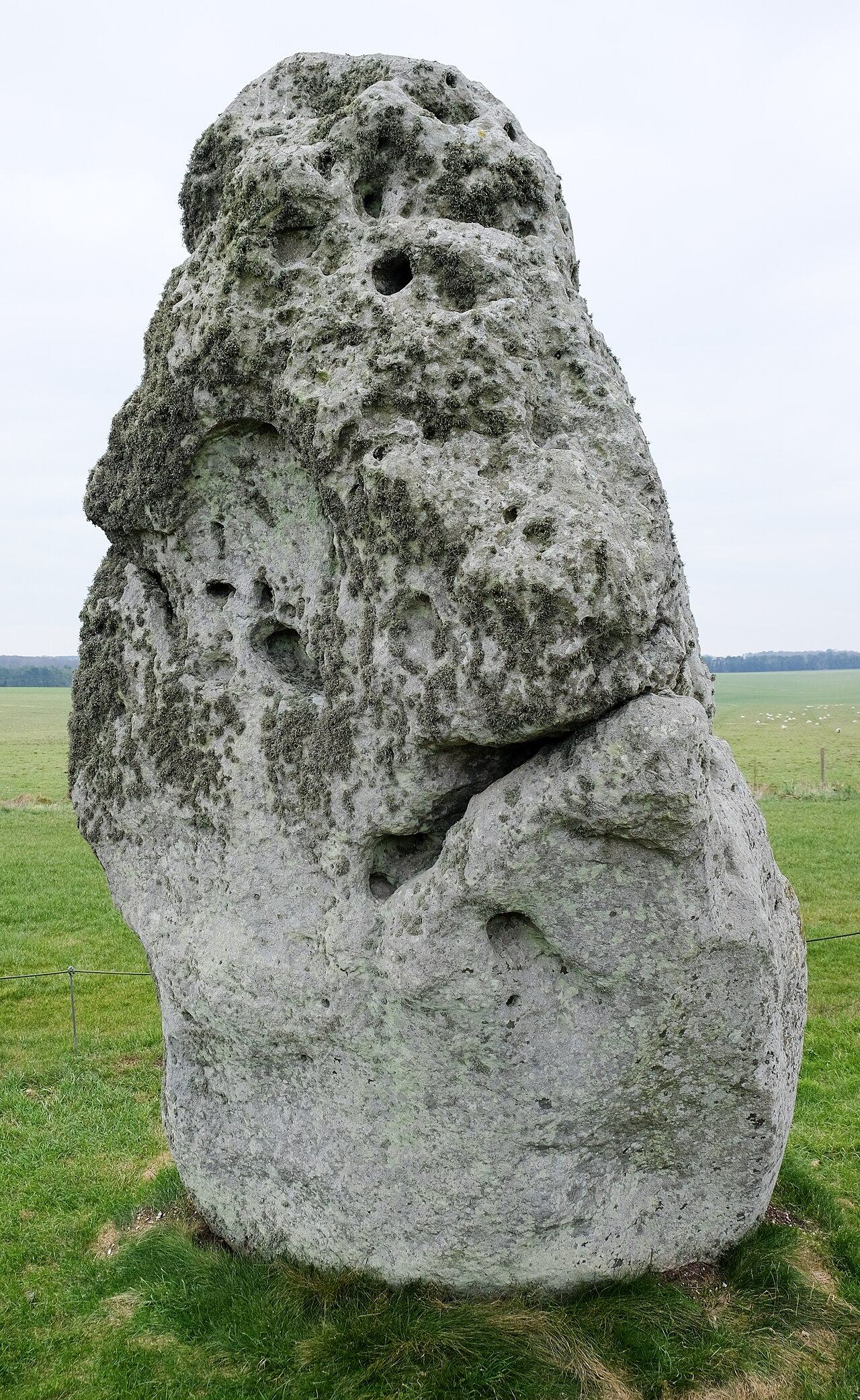
More than 80 sarsens from the Marlborough Downs are raised.
-
2300–2200 BC
Stones rearranged
The bluestones are rearranged and the Avenue links Stonehenge to the river Avon.
-
2100–1500 BC
Bronze Age barrows
Hundreds of burial mounds are raised in the surrounding landscape.
-
1750–1500 BC
Carvings
Axeheads and daggers are carved on four of the sarsens.
-
1901
Restoration begins
The leaning tallest trilithon is set upright.
-
1918
Given to the nation
Cecil Chubb gives Stonehenge to the nation.
-
1986
World Heritage Site
Stonehenge and Avebury are inscribed together.
-
2013
A new setting
The road beside the stones closes and a visitor centre opens 2 kilometres away.
Follow the stories behind the dates
A timeline is a beginning. The longer history introduces the people and places; the sources below provide further context.
Read at the source
Sources & further reading
Links lead to the original publishers.