 Bookable
The first monument
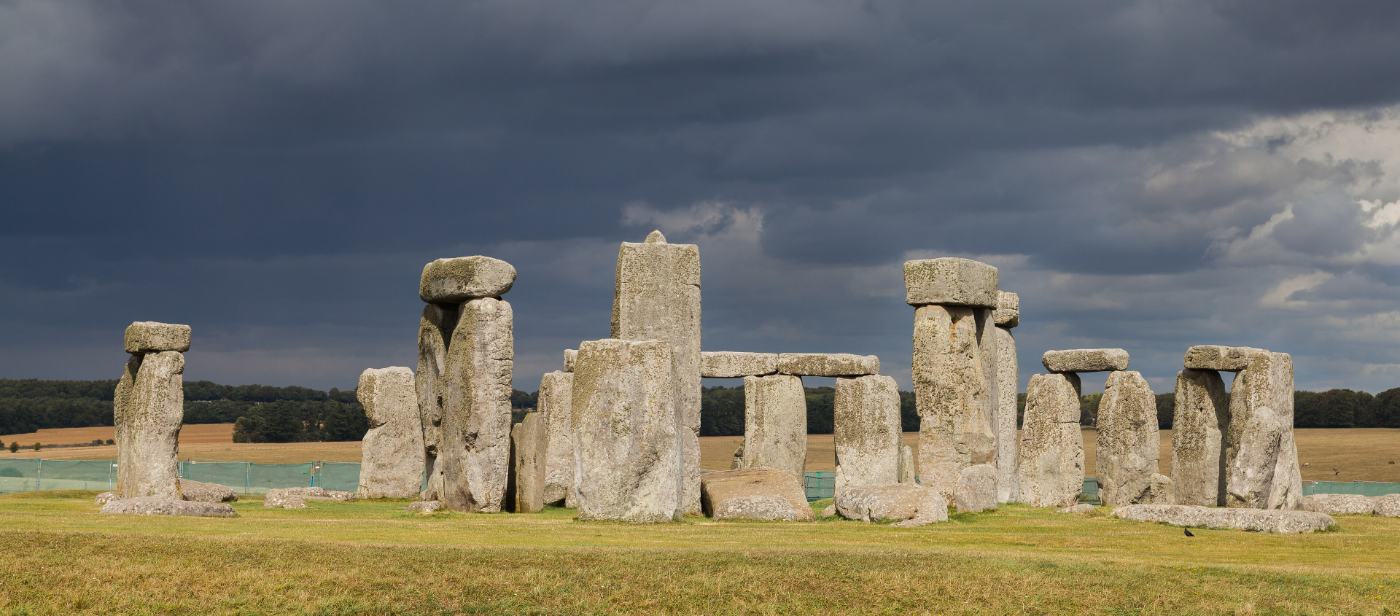
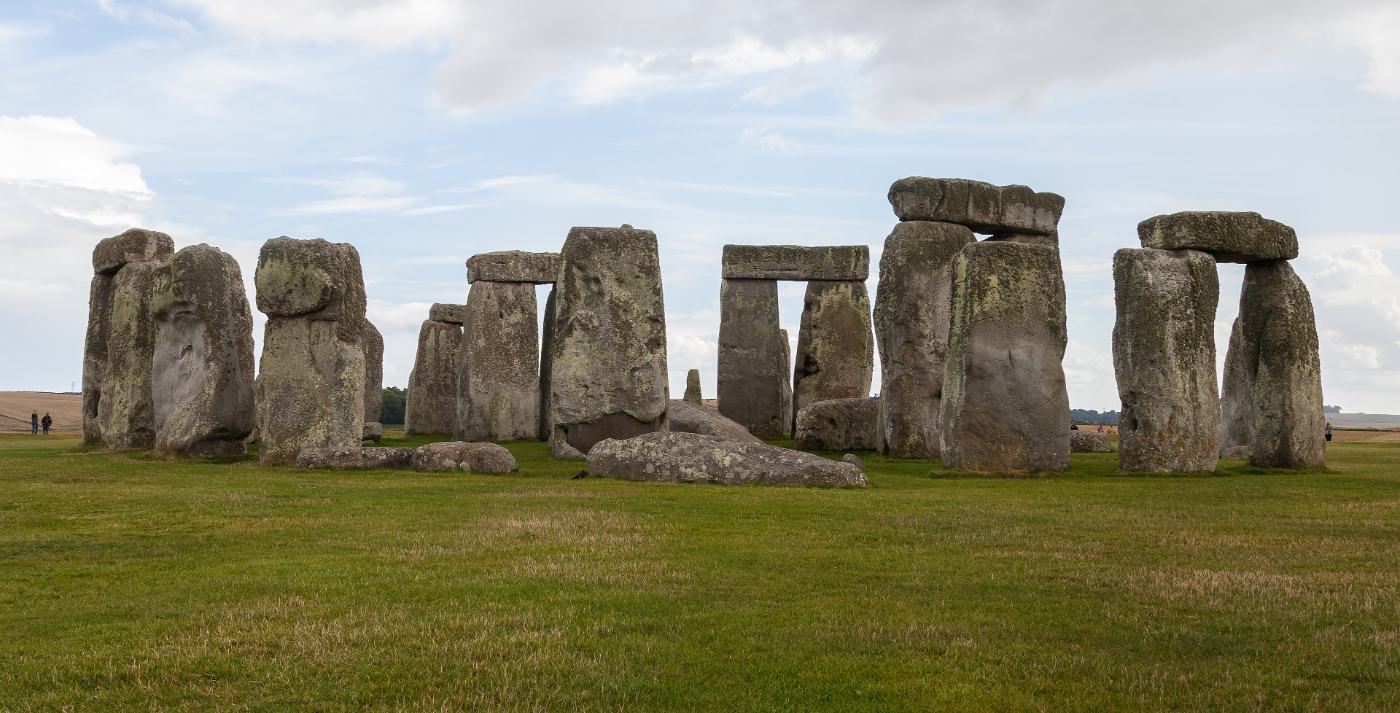
Around 3000 BC the first Stonehenge was built: an earthwork enclosure about 100 metres across, with a circular ditch and banks and a ring of 56 timber or stone posts. For several hundred years it was used as a cremation cemetery. The bluestones, brought from the Preseli Hills in south-west Wales, more than 150 miles away, may have arrived at this time.
Raising the stones
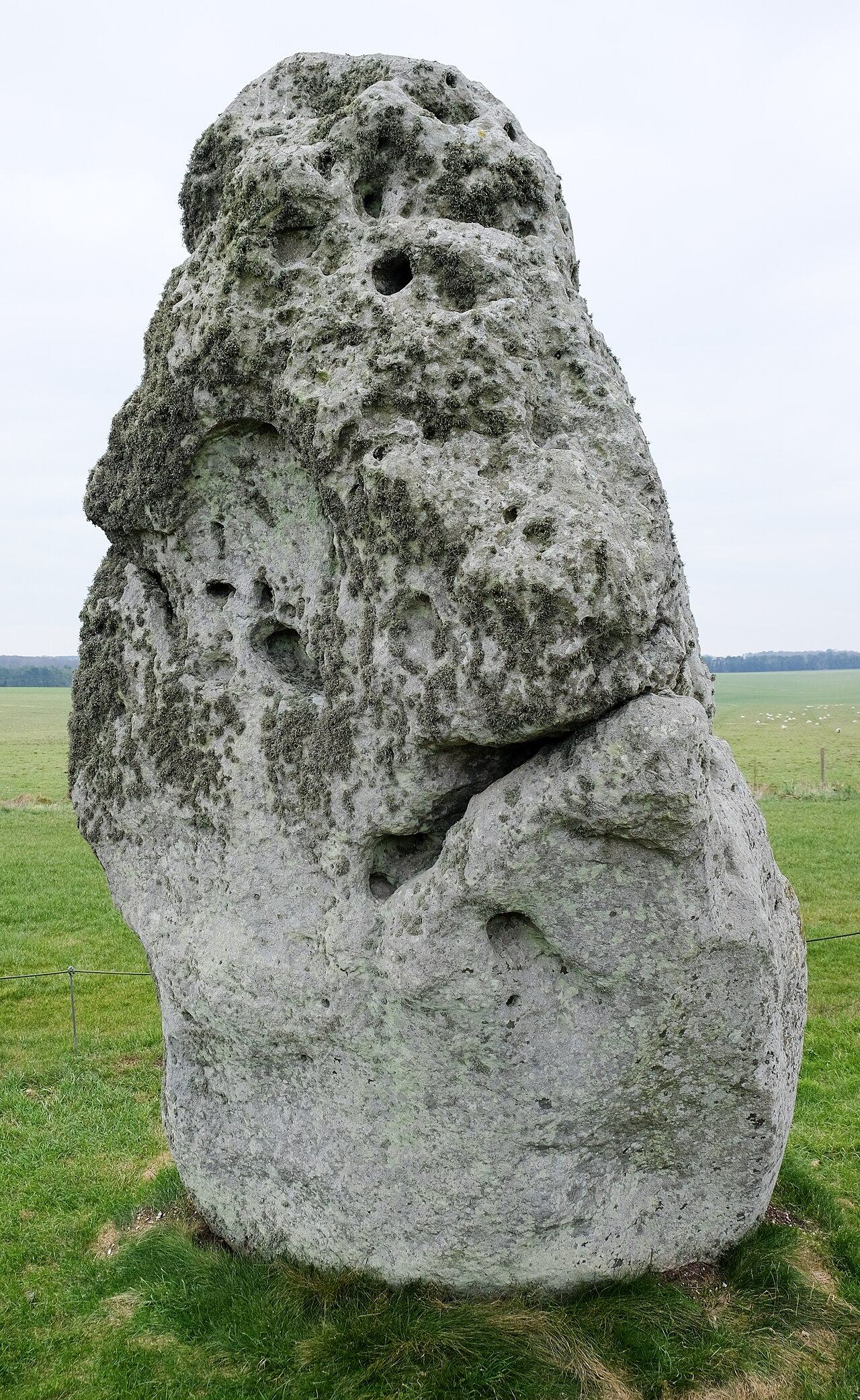
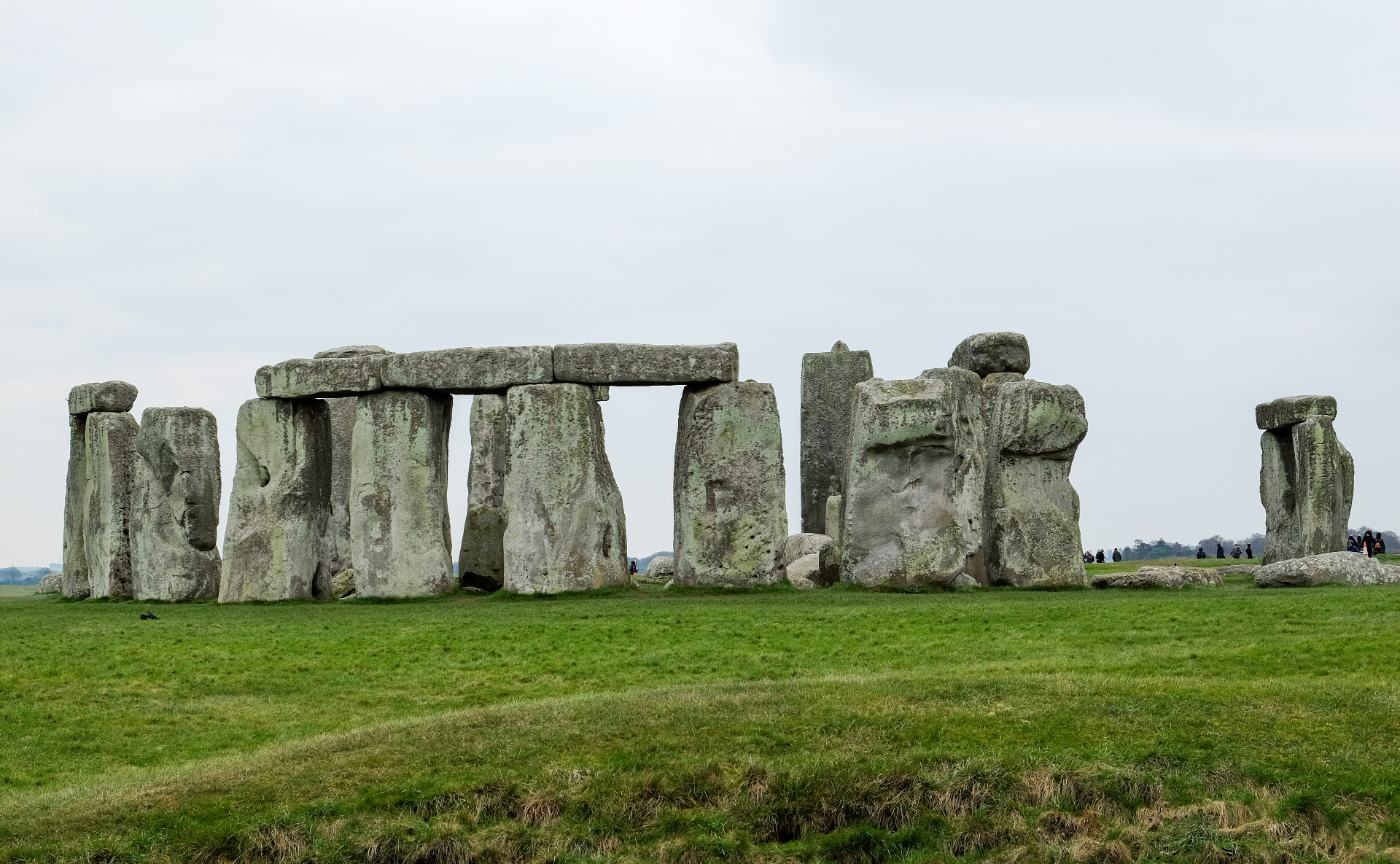
From about 2500 BC more than 80 large sarsen stones were brought from the Marlborough Downs, 15 miles away, and raised in two concentric arrangements, with the smaller bluestones between them. The builders joined the stones with joints otherwise found in woodworking, and the sun rises over the Heel Stone at the summer solstice and sets over it at the winter solstice.
A burial landscape
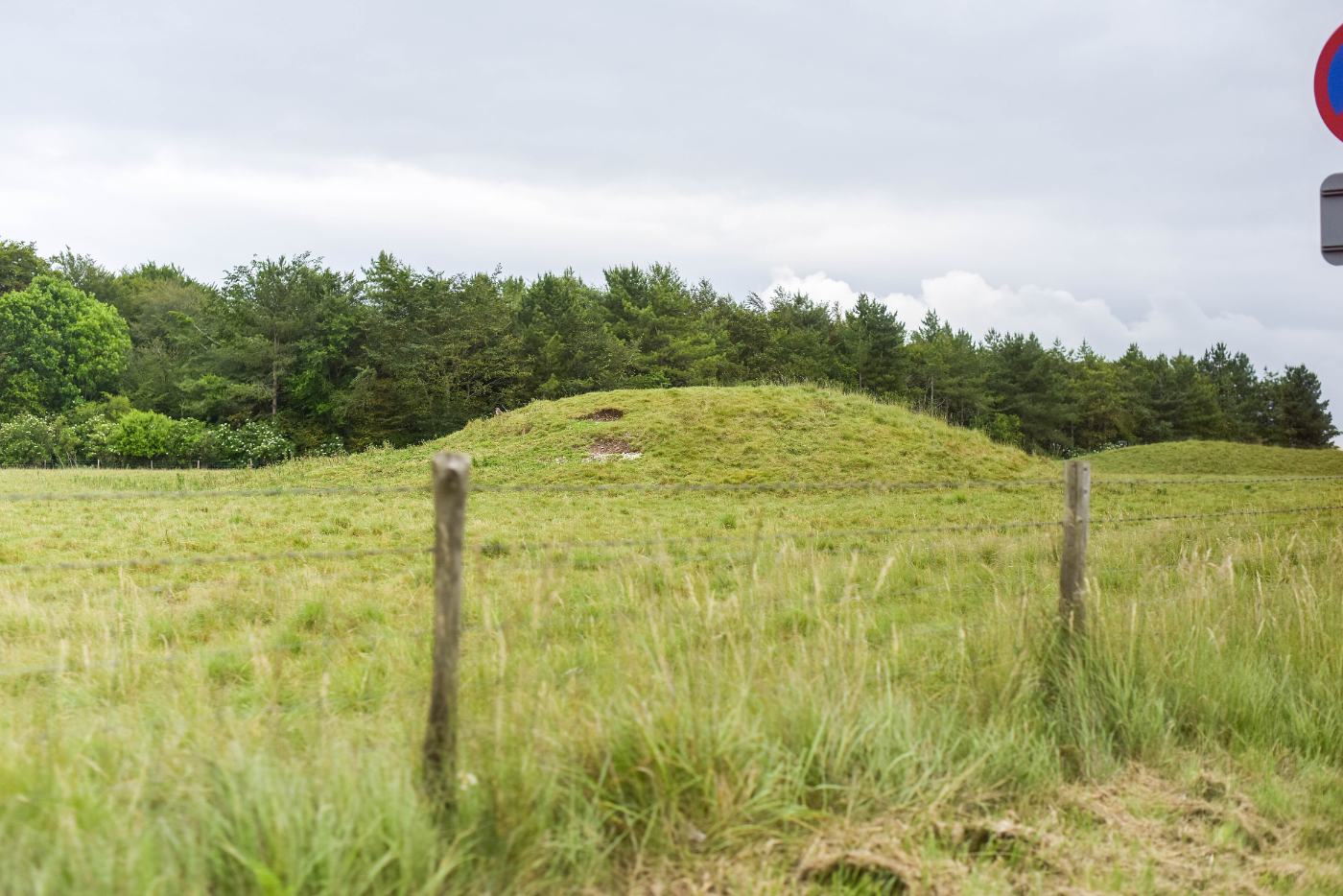
From about 2100 BC hundreds of burial mounds were raised in the landscape around Stonehenge, the densest concentration of burial mounds in Britain. In 1918 the landowner Cecil Chubb gave Stonehenge to the nation, and in 1986 it became a World Heritage Site together with Avebury.