An enclosure and a cemetery
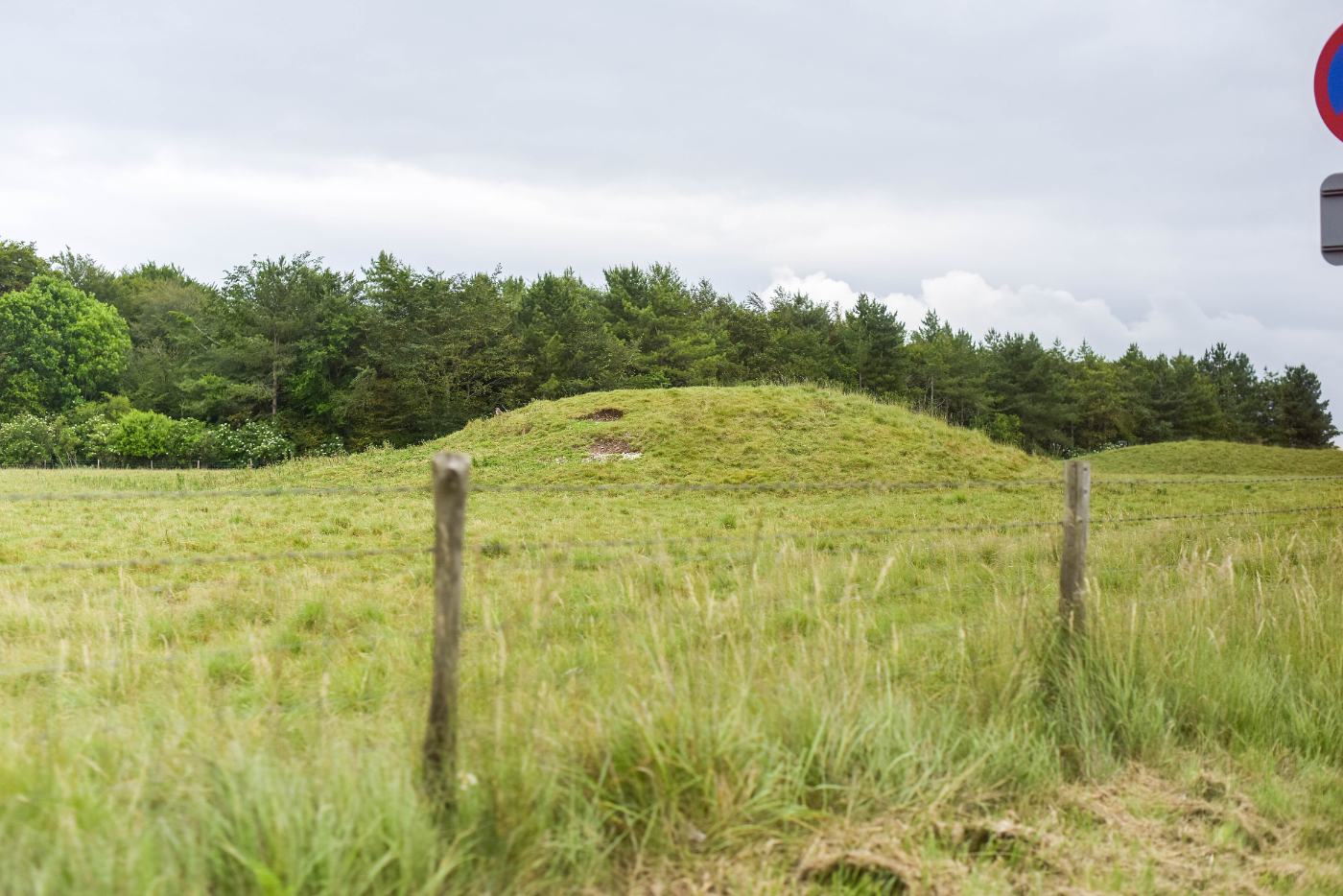
Long before the stones, hunter-gatherers raised large posts near the site between about 8500 and 7000 BC. The first Stonehenge, built around 3000 BC, was a circular earthwork about 100 metres across with a ring of 56 posts, and for several hundred years people placed cremated remains there.
The sarsen circle
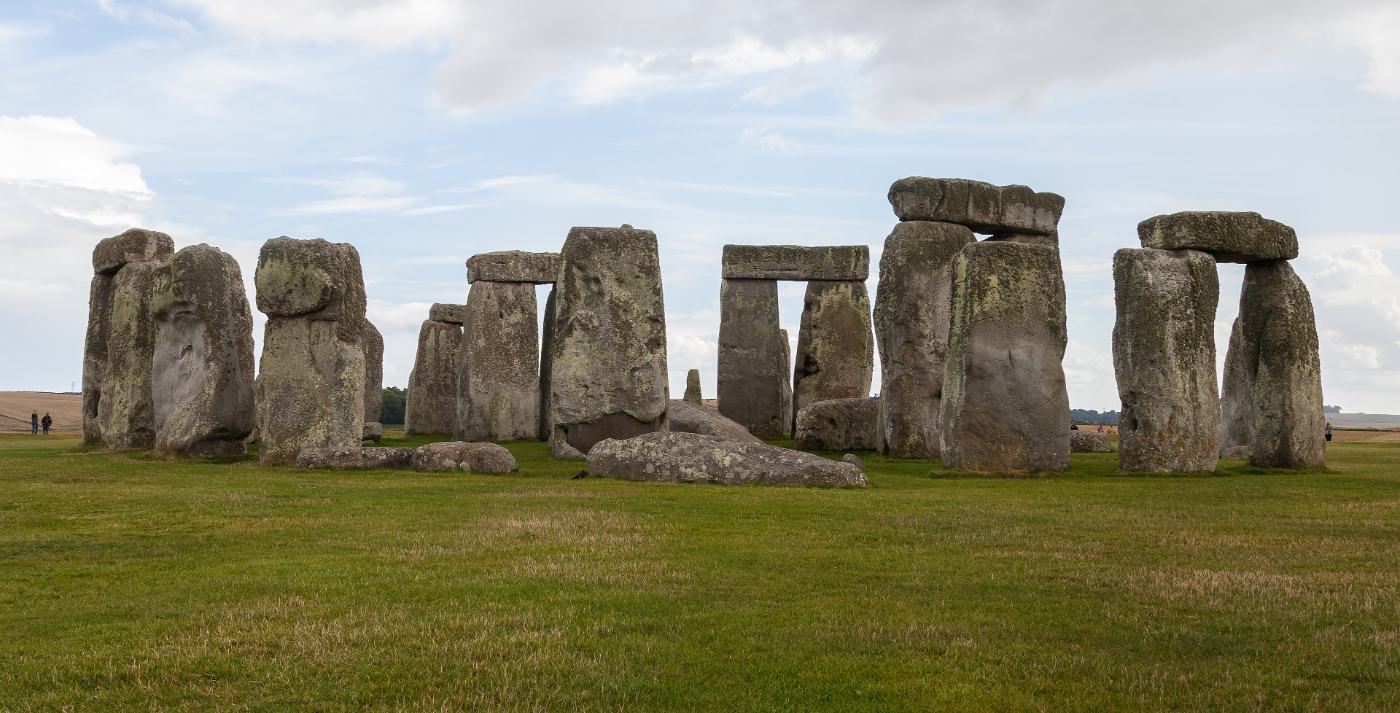
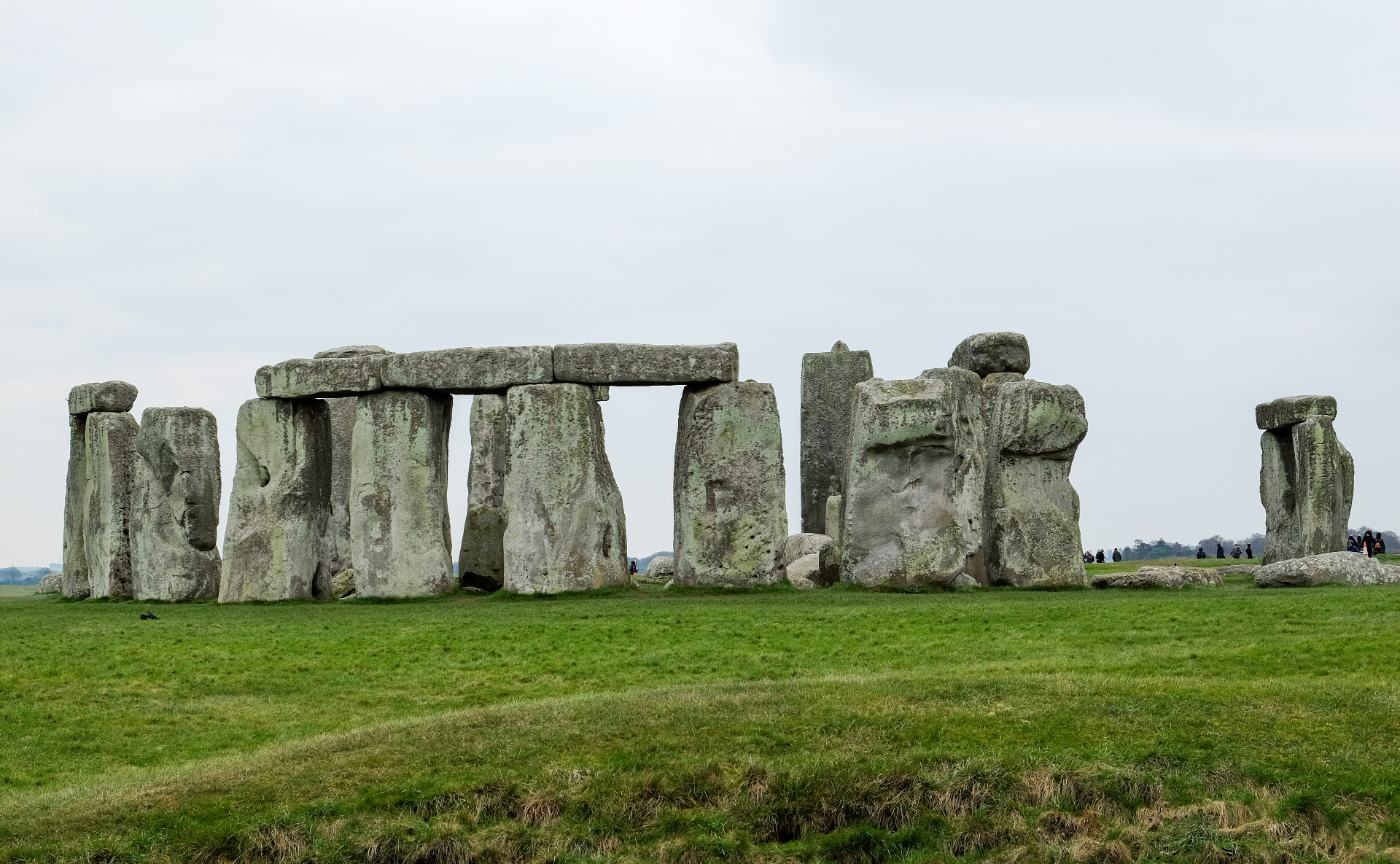
Around 2500 BC the great sarsens were raised. The outer circle is about 30 metres across; its uprights stand about 4 metres tall and weigh about 25 tons each, and the five trilithons inside weigh up to 50 tons. Around 2300 to 2200 BC the bluestones were rearranged and the Avenue was built to the river Avon, and between about 1750 and 1500 BC more than 100 carvings of axeheads and a few daggers were cut into four of the sarsens.
Into the nation’s care
Some stones fell over the centuries. In 1901 the landowner Sir Edmund Antrobus had the leaning tallest trilithon set upright, the first of several campaigns of repair, and in 1918 Cecil Chubb, who had bought Stonehenge three years earlier, gave it to the nation. In 2013 the road beside the stones closed, and a new visitor centre opened 2 kilometres away.