 Bookable
An Apollonaut travel guide
Moments in a longer story.
Selected milestones in the history of Volubilis, from a Mauretanian town to a World Heritage site.
On this page
Town, ruins and rediscovery
These dates describe the place you can learn about here. They are not a company timeline for Apollonaut.
-
3rd century BC
A town of Mauretania
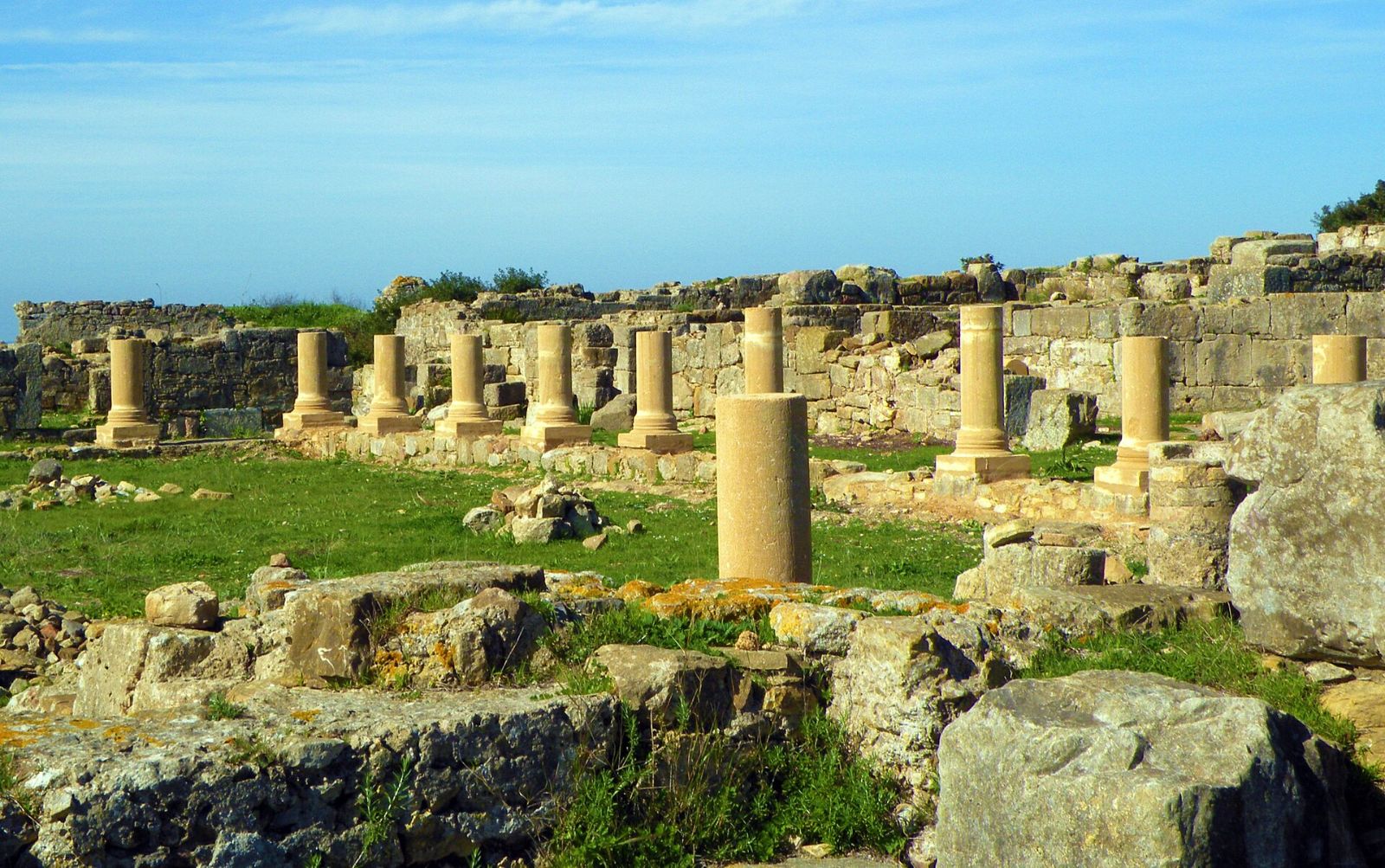
A town stands on the ridge, with a temple to the Carthaginian god Baal.
-
25 BC
Juba II
Augustus places Juba II on the throne of Mauretania, and Volubilis becomes one of the kingdom’s capitals.
-
AD 44
Annexed by Rome
Rome annexes Mauretania, and Volubilis becomes a self-governing Roman town, a municipium.
-
AD 168–169
The Tingis Gate
A gate is built into the new town walls; a coin set into its stonework gives the date.
-
AD 217
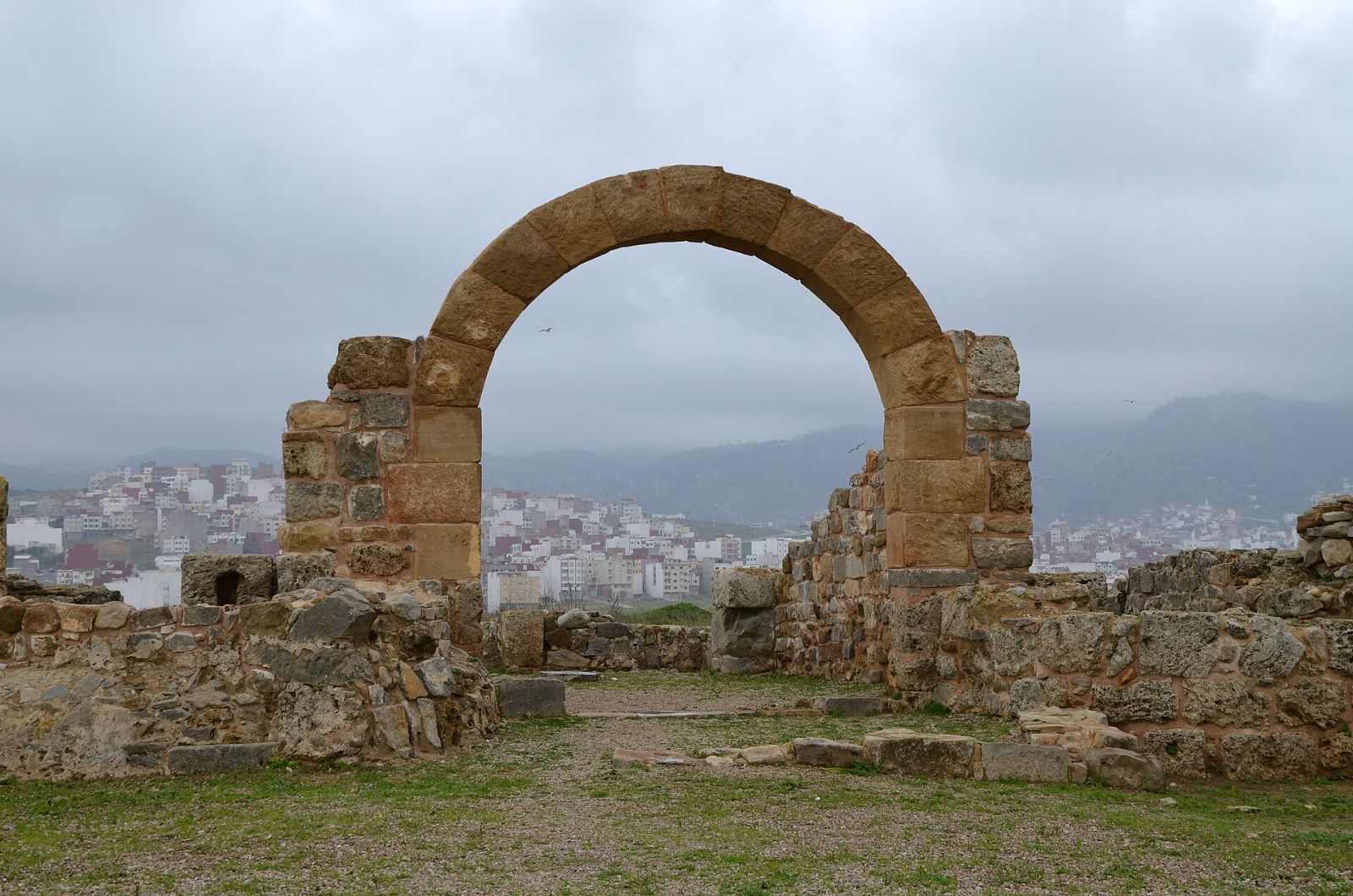
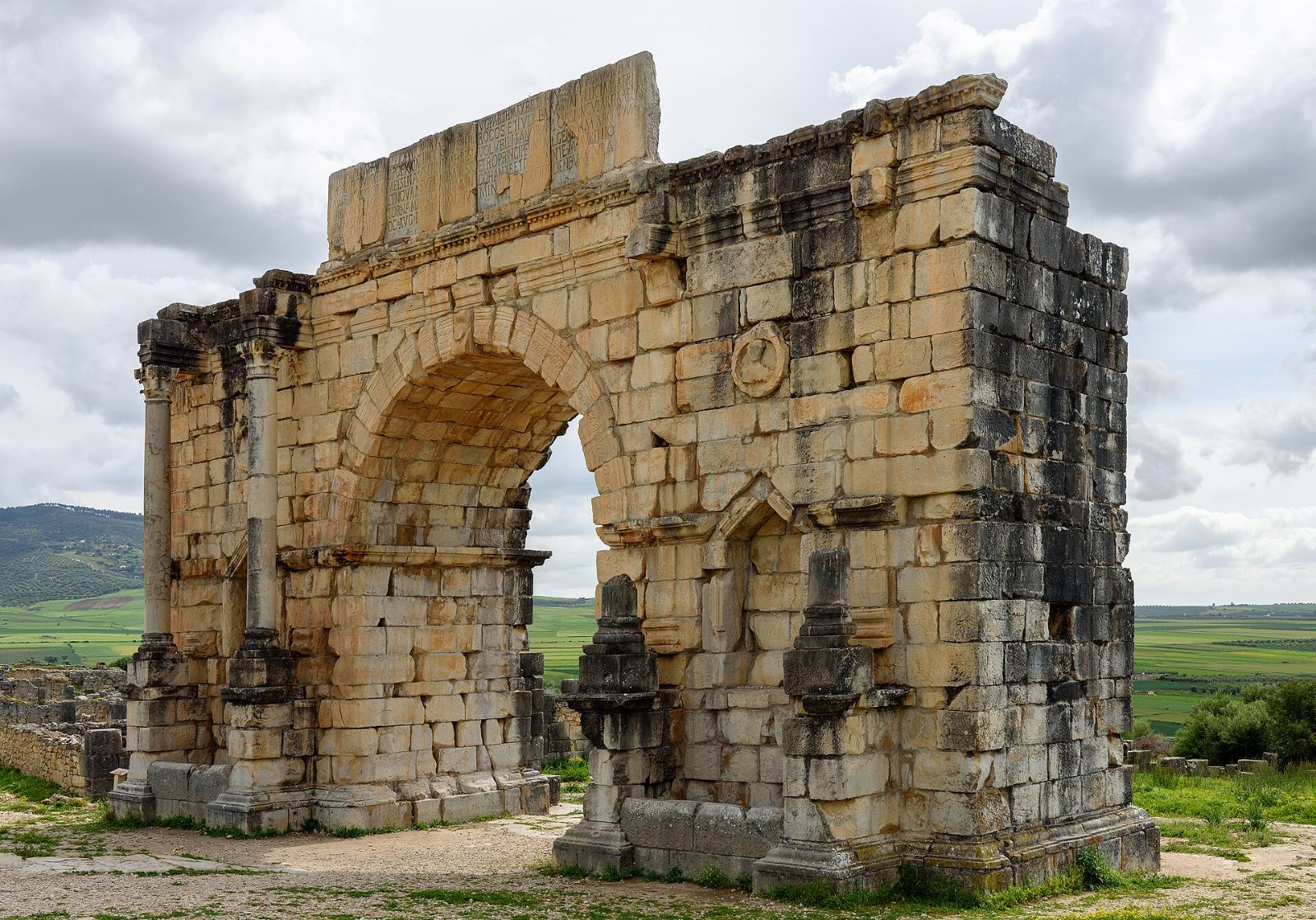
The Arch of Caracalla
The governor raises an arch in honour of the emperor Caracalla and his mother, Julia Domna.
-
Around 285
Rome withdraws
The town falls out of Roman control, but a Latinised Christian community remains.
-
Around 788
Idris I
Idris I is proclaimed imam at Volubilis, then known as Walili, and founds the Idrisid dynasty.
-
11th century
Abandoned
With the seat of power moved to Fez, the town has been abandoned.
-
1755
An earthquake
An earthquake causes further severe destruction to the ruins.
-
1887–1892
First excavations
The first excavations take place at the site.
-
1915
Large-scale excavation
Excavations begin that uncover much of the town over the following decades.
-
1930–1934
The arch is restored
The Arch of Caracalla is restored and partly rebuilt.
-
1997
A World Heritage site
UNESCO inscribes the Archaeological Site of Volubilis on the World Heritage List.
Follow the stories behind the dates
A timeline is a beginning. The longer history introduces the people and places; the sources below, checked on 8 November 2026, provide further context.
Read at the source
Sources & further reading
Links lead to the original publishers.