 Bookable
A town of the kingdom of Mauretania
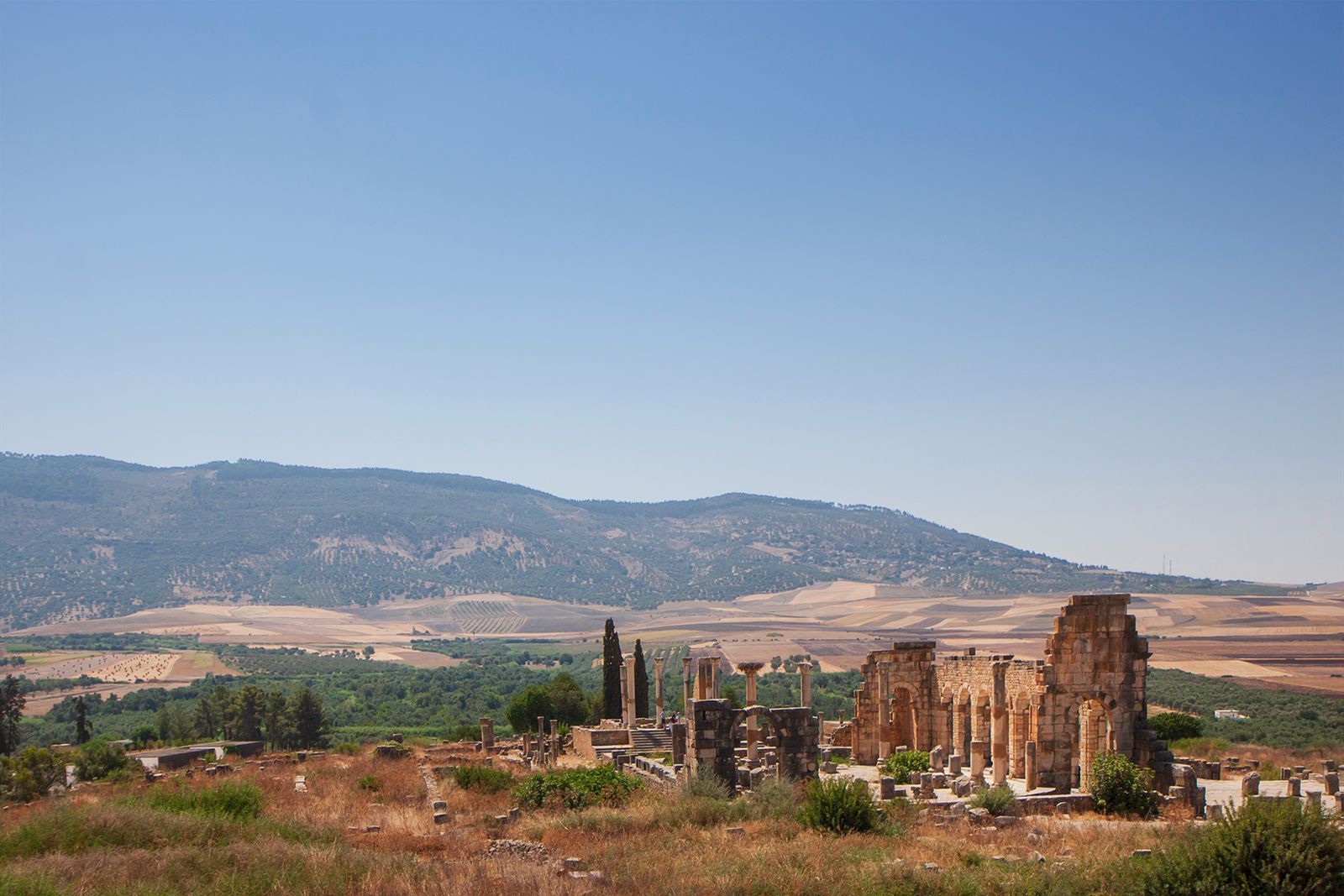
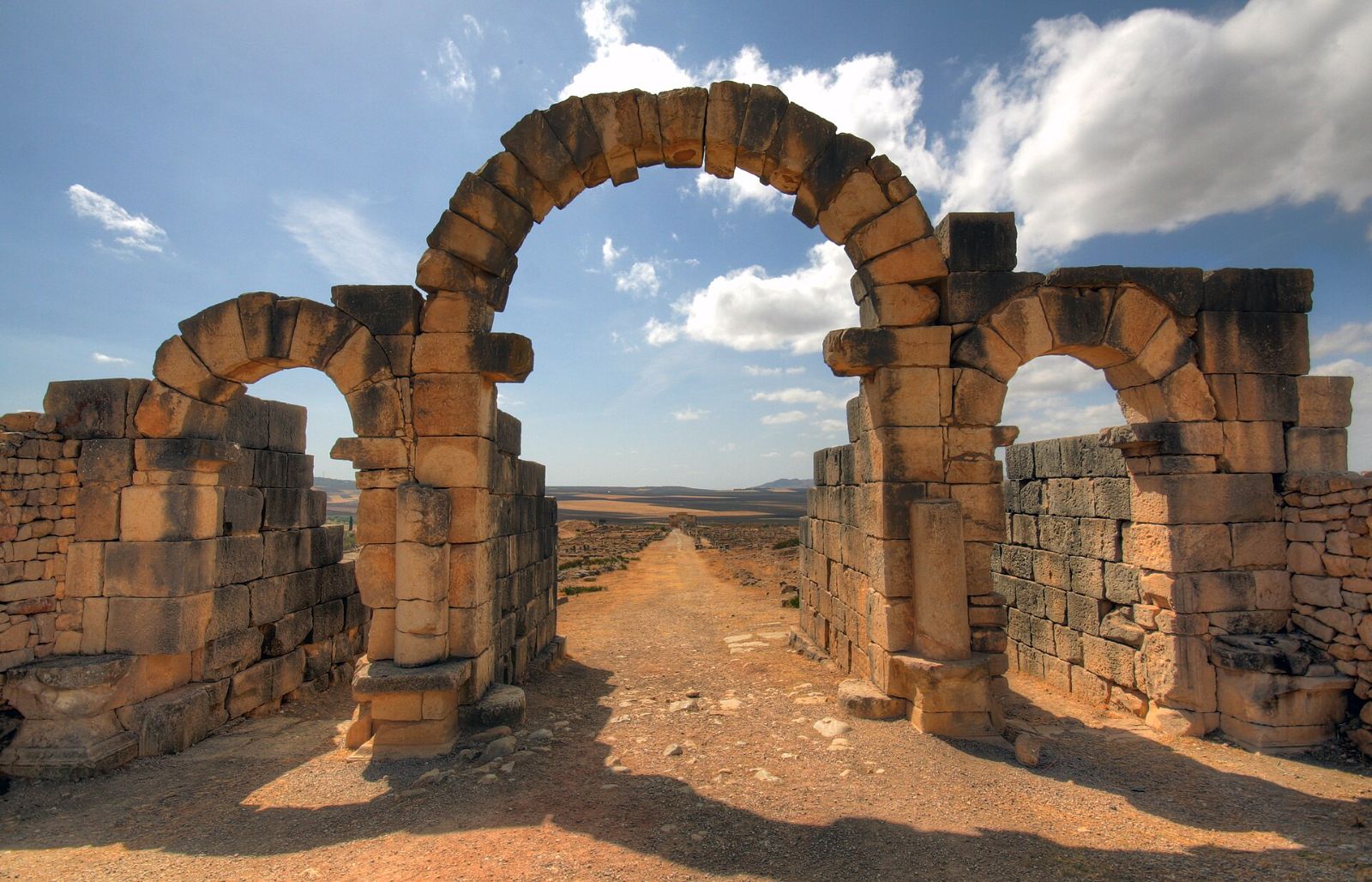
People lived on this ridge below the Zerhoun mountain long before Rome. By the 3rd century BC the town had a temple to the Carthaginian god Baal, and after Augustus placed Juba II on the throne of Mauretania in 25 BC, Volubilis became one of the kingdom’s capitals.
A Roman city of olive oil
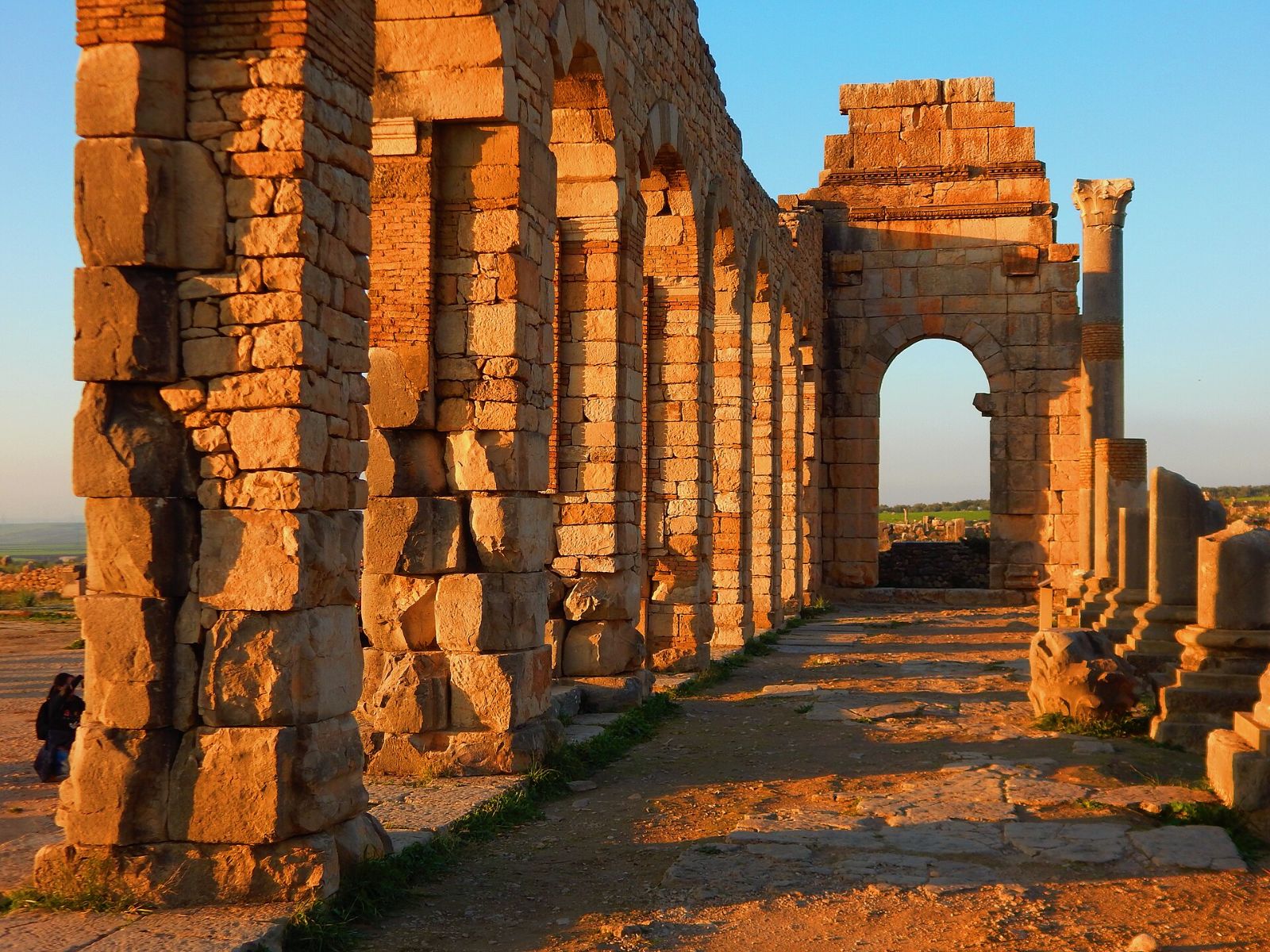
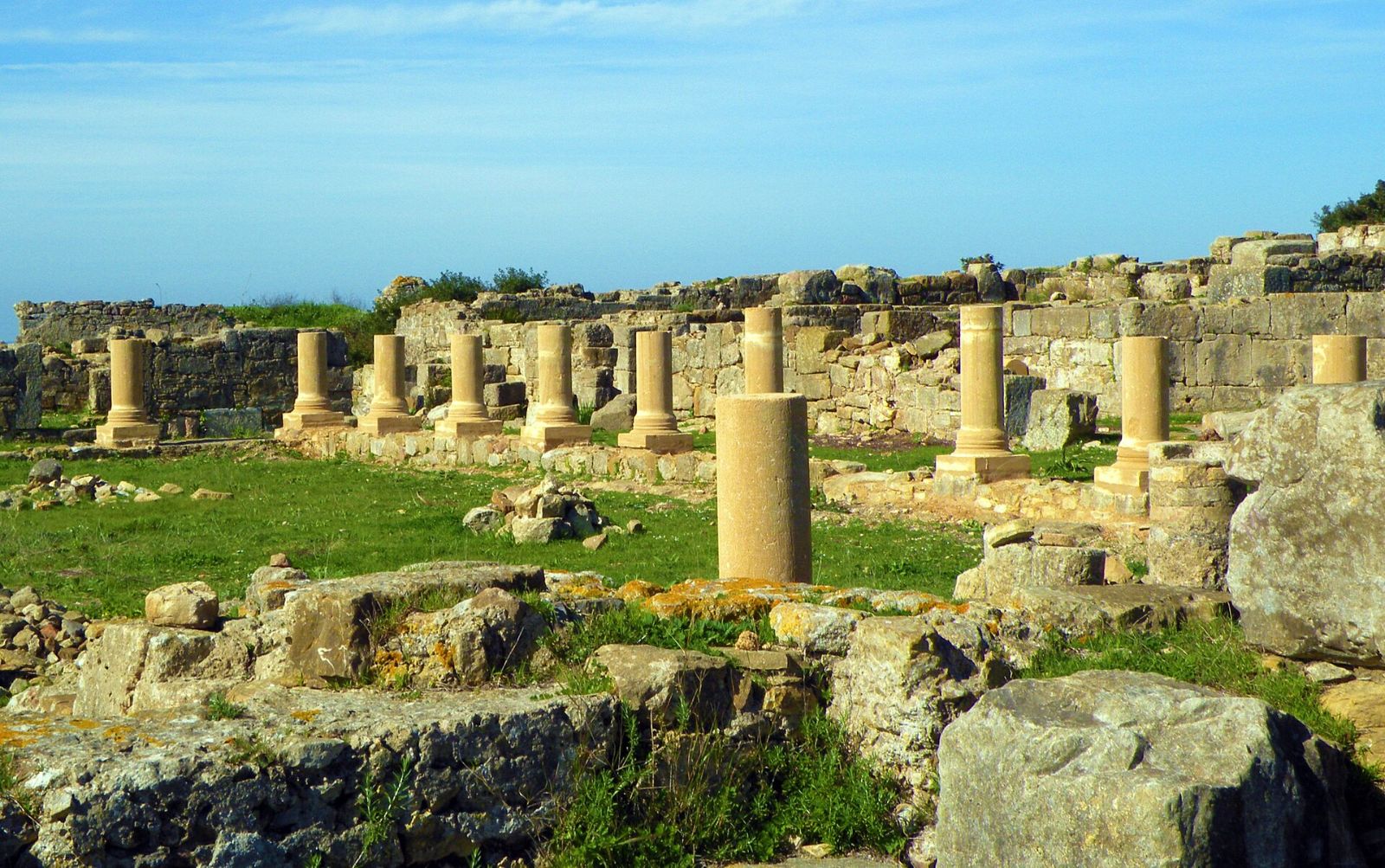
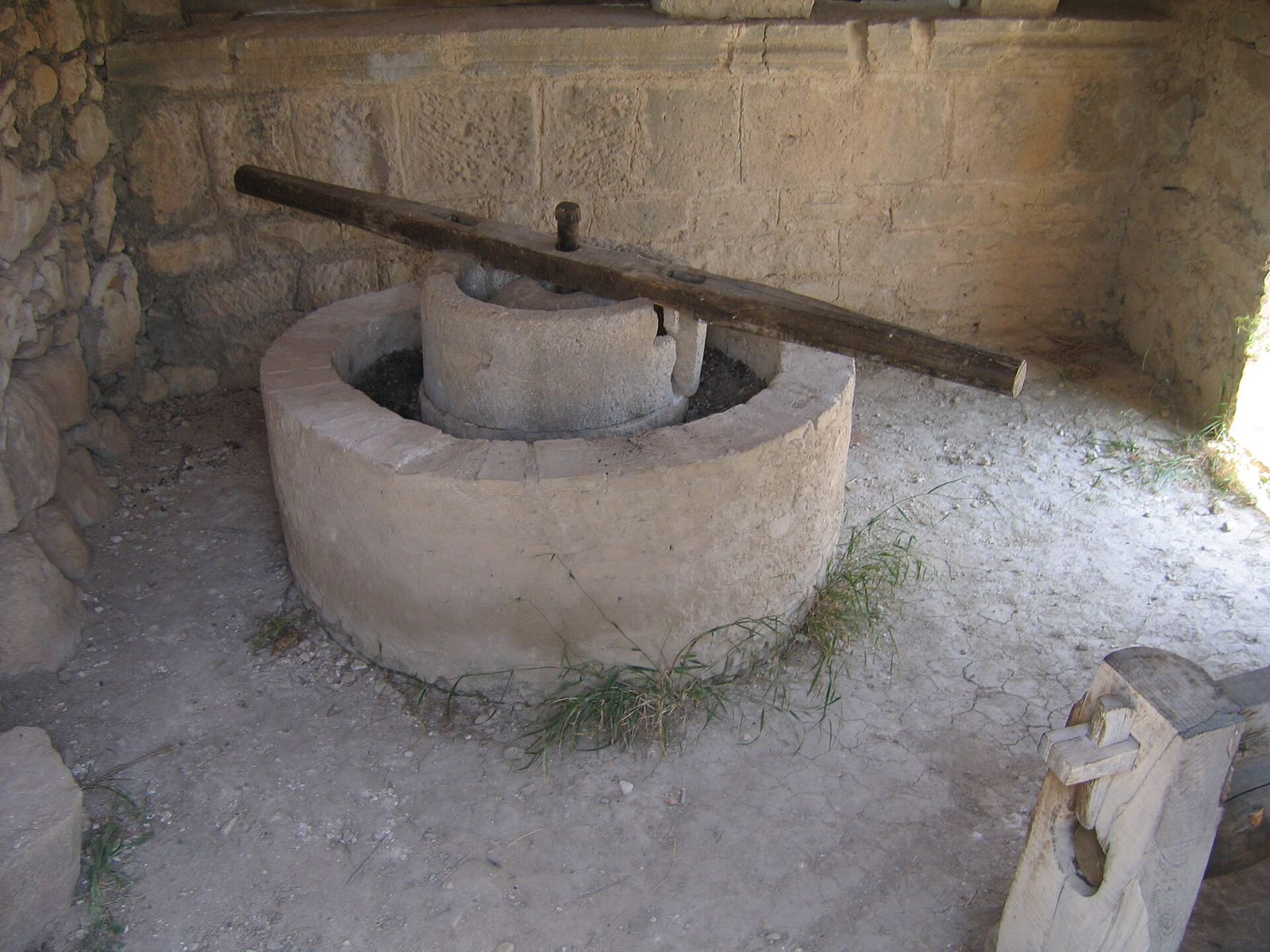
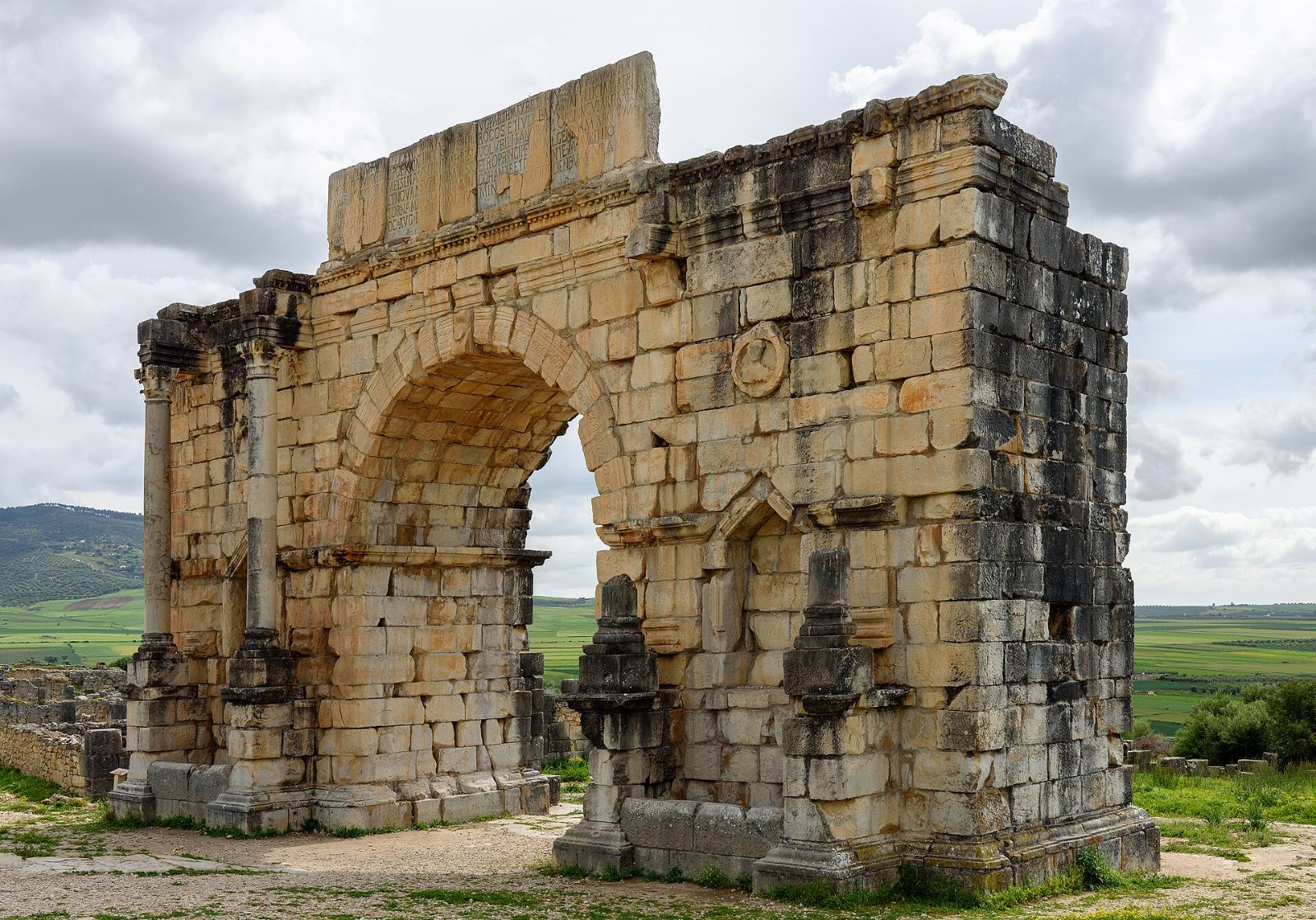
Rome annexed Mauretania in AD 44, and Volubilis became a municipium, a self-governing Roman town. It expanded to about 42 hectares inside walls ordered by Marcus Aurelius, and grew rich on olive oil: 58 oil-pressing complexes have been found. In AD 217 the governor raised the triumphal arch in honour of the emperor Caracalla and his mother, Julia Domna.
After Rome: Walili and Idris I
Rome lost the town around 285, but people stayed, first as a Latinised Christian community and then as an early Islamic town known as Walili. Around 788 Idris I was proclaimed imam here, founding the Idrisid dynasty; he is buried at nearby Moulay Idriss. By the 11th century, after the seat of power had moved to Fez, the town had been abandoned.