 Bookable
An Apollonaut travel guide
The place behind the detail.
Public buildings, houses with mosaic floors and a long life after Rome offer several ways into the story of Volubilis.
On this page
A Roman town on the edge of the empire
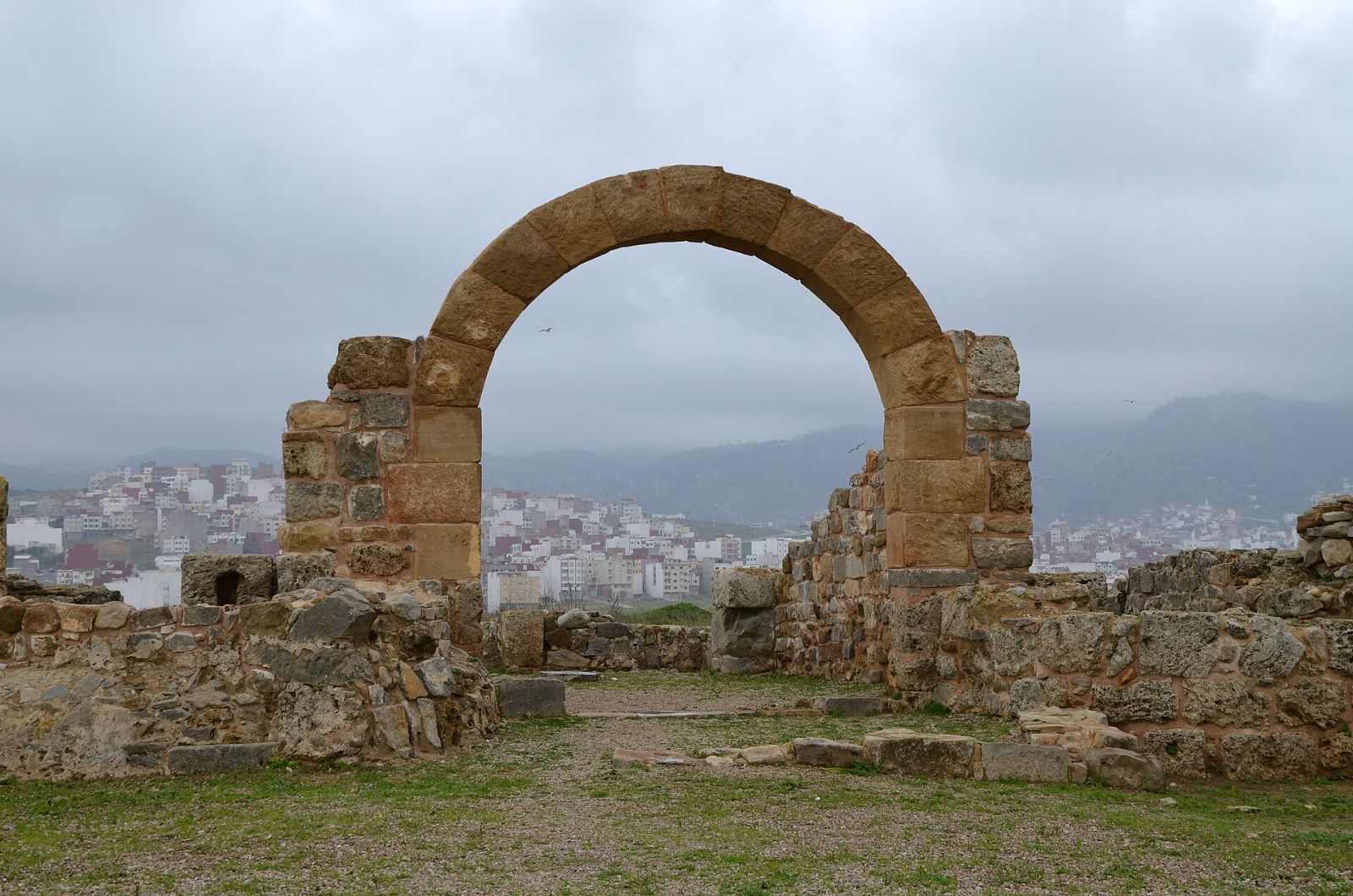
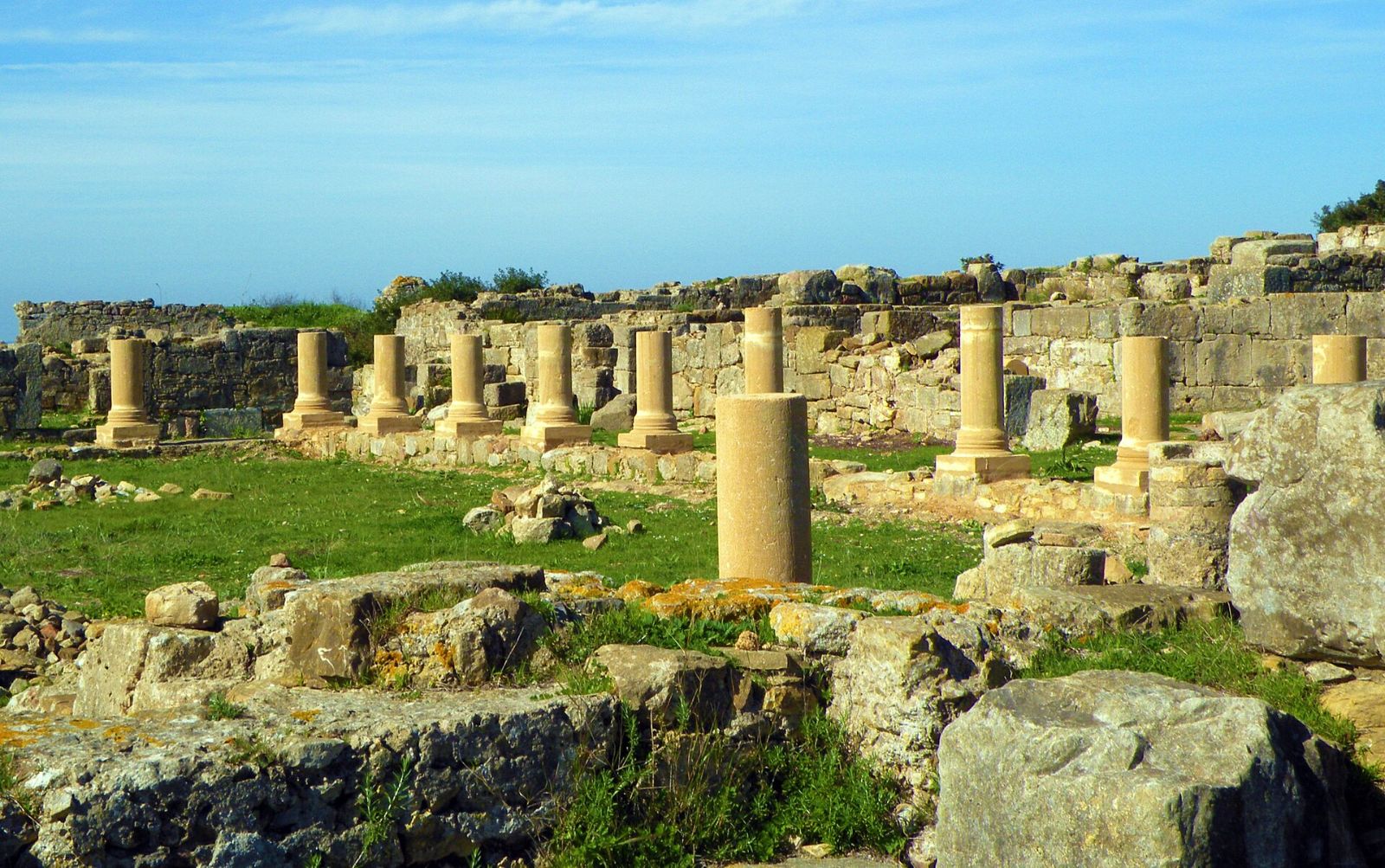
Volubilis grew from a town of the kingdom of Mauretania into a Roman municipium after AD 44. At its largest it covered about 42 hectares, with walls and gates, a forum, baths, a basilica and more than a hundred shops.
UNESCO inscribed the Archaeological Site of Volubilis on the World Heritage List in 1997, as an exceptionally well-preserved example of a large Roman colonial town on the fringes of the empire. The site also marks the short period when it was the capital of Idris I.
Houses and their mosaics
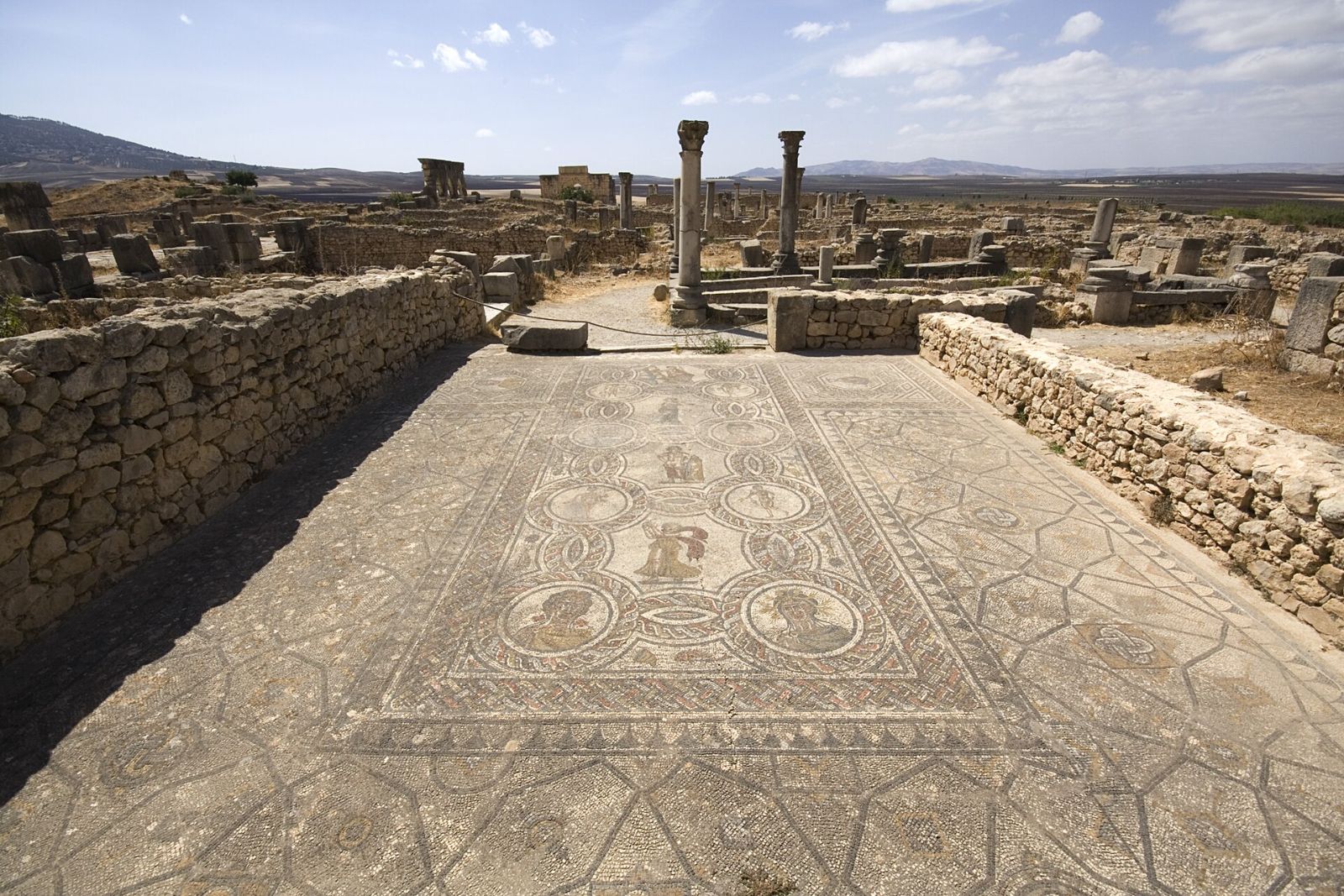
The grand houses of Volubilis are known by their mosaics or their finds: the House of Orpheus, the House of the Labours of Hercules, the House of Venus and the House of the Ephebe. Several mosaics remain where they were laid; others, and bronzes found on the site, are now in museums, including the Archaeological Museum in Rabat.
Only about half of the town has been excavated. The first excavations took place between 1887 and 1892, and large-scale work began in 1915.
After Rome
Rome lost the town around 285, but it lived on as Walili. Around 788 Idris I was proclaimed imam here, and he is buried at nearby Moulay Idriss. Much later, Sultan Moulay Ismail took stone from the ruins for his new capital at Meknes, and an earthquake in 1755 caused further severe damage.
This history belongs to the place and the people who shaped it. The History page offers a longer introduction, and the timeline gives a short route through selected milestones. The sources below were checked on 8 November 2026.
Read at the source
Sources & further reading
Links lead to the original publishers.