 Bookable
An Apollonaut travel guide
The place behind the detail.
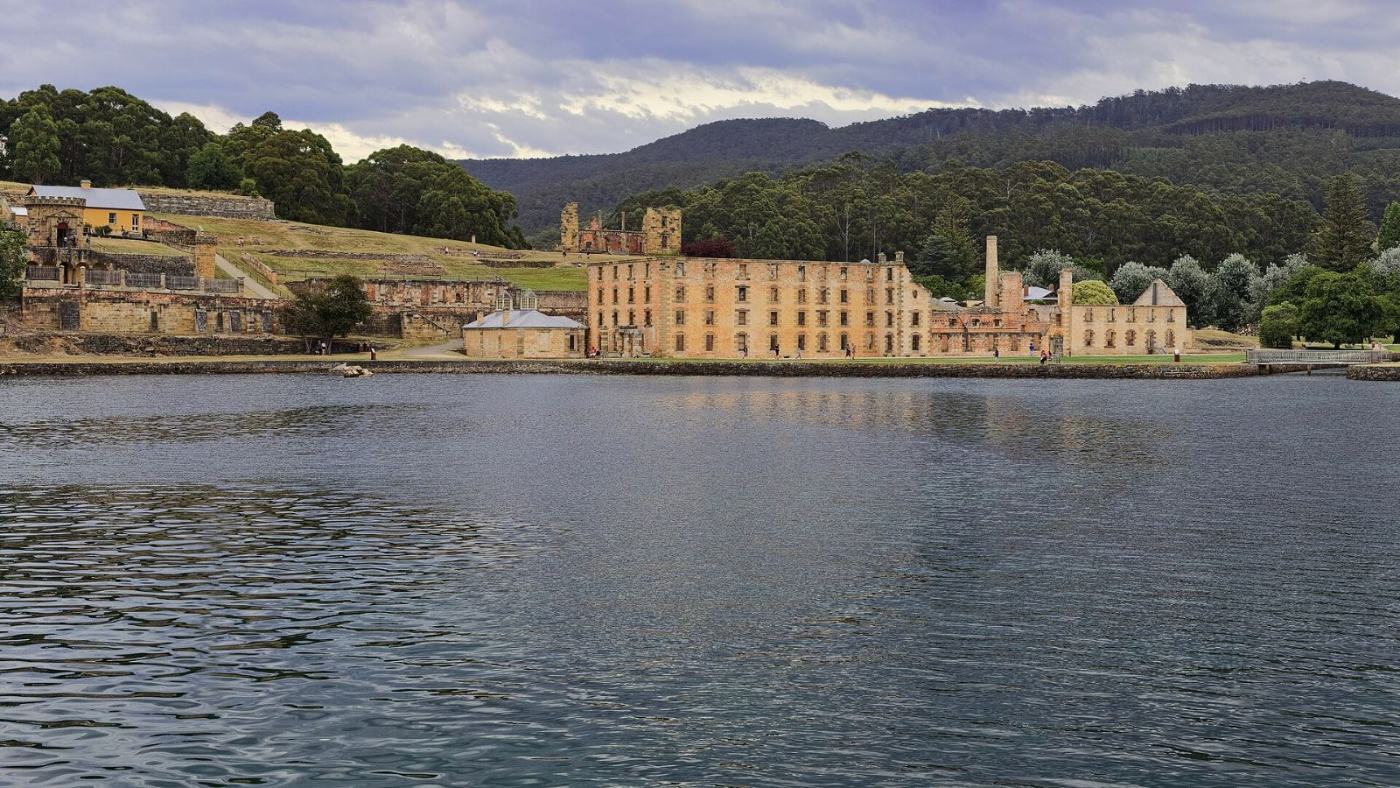
Sandstone ruins, a harbour and the lives of convicts, soldiers and free settlers offer several ways into the story of Port Arthur.
On this page
Aboriginal land
The Port Arthur Historic Site acknowledges that it is built on unceded Aboriginal land and pays respect to the Palawa, the Tasmanian Aboriginal community, and their Elders past and present.
The convict story told here is one chapter in a much longer history of the Tasman Peninsula.
A settlement for reoffenders
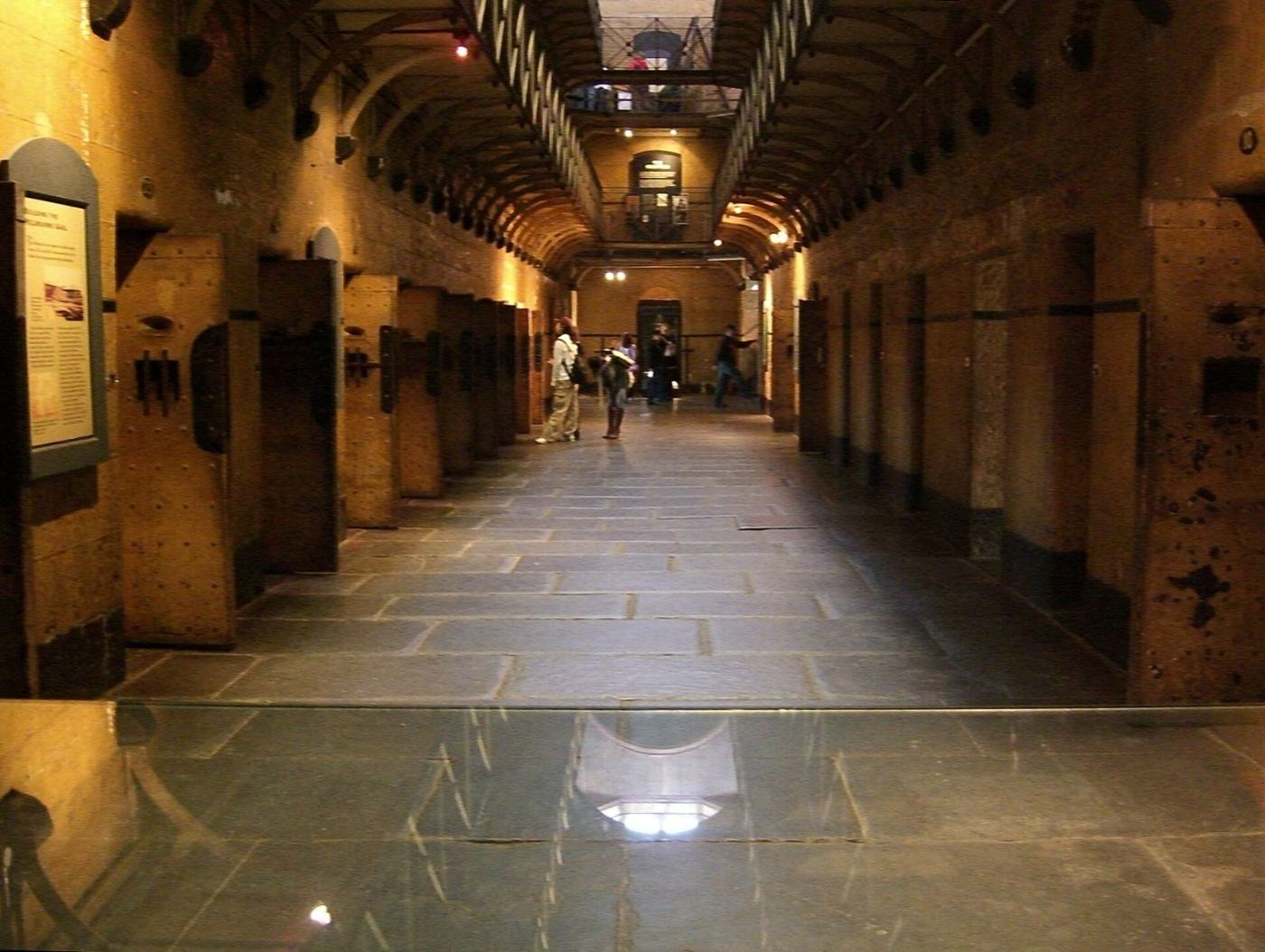
From 1833 until 1877, Port Arthur received convicts who had reoffended in the colony. Its security was among the strictest in the British penal system, and the narrow isthmus at Eaglehawk Neck was guarded by soldiers and dogs.
Alongside punishment, the settlement put convicts to work: felling timber, building ships and making goods. Its buildings, from the Penitentiary to the Separate Prison and the church, show changing ideas about punishment and reform.
One of eleven Australian Convict Sites
In 2010 the Australian Convict Sites, eleven places across Australia, were inscribed on the World Heritage List. Port Arthur is one of them, cared for since 1987 by the Port Arthur Historic Site Management Authority.
This history belongs to the place and the people who shaped it. The History page offers a longer introduction, and the timeline gives a short route through selected milestones.
Read at the source
Sources & further reading
- Port Arthur Historic Site: History
- Port Arthur Historic Site: History timeline
- Port Arthur Historic Site: Landmarks
- Wikipedia: Port Arthur, Tasmania
Links lead to the original publishers.