 Bookable
An Apollonaut travel guide
Sandstone on the peninsula.
An introduction to the Tasman Peninsula and the buildings convicts raised at Port Arthur.
On this page
Read the peninsula
The Tasman Peninsula is almost surrounded by water. Its only land link, the 30-metre-wide isthmus at Eaglehawk Neck, made it a natural prison, and Port Arthur grew up around a sheltered harbour on its southern side.
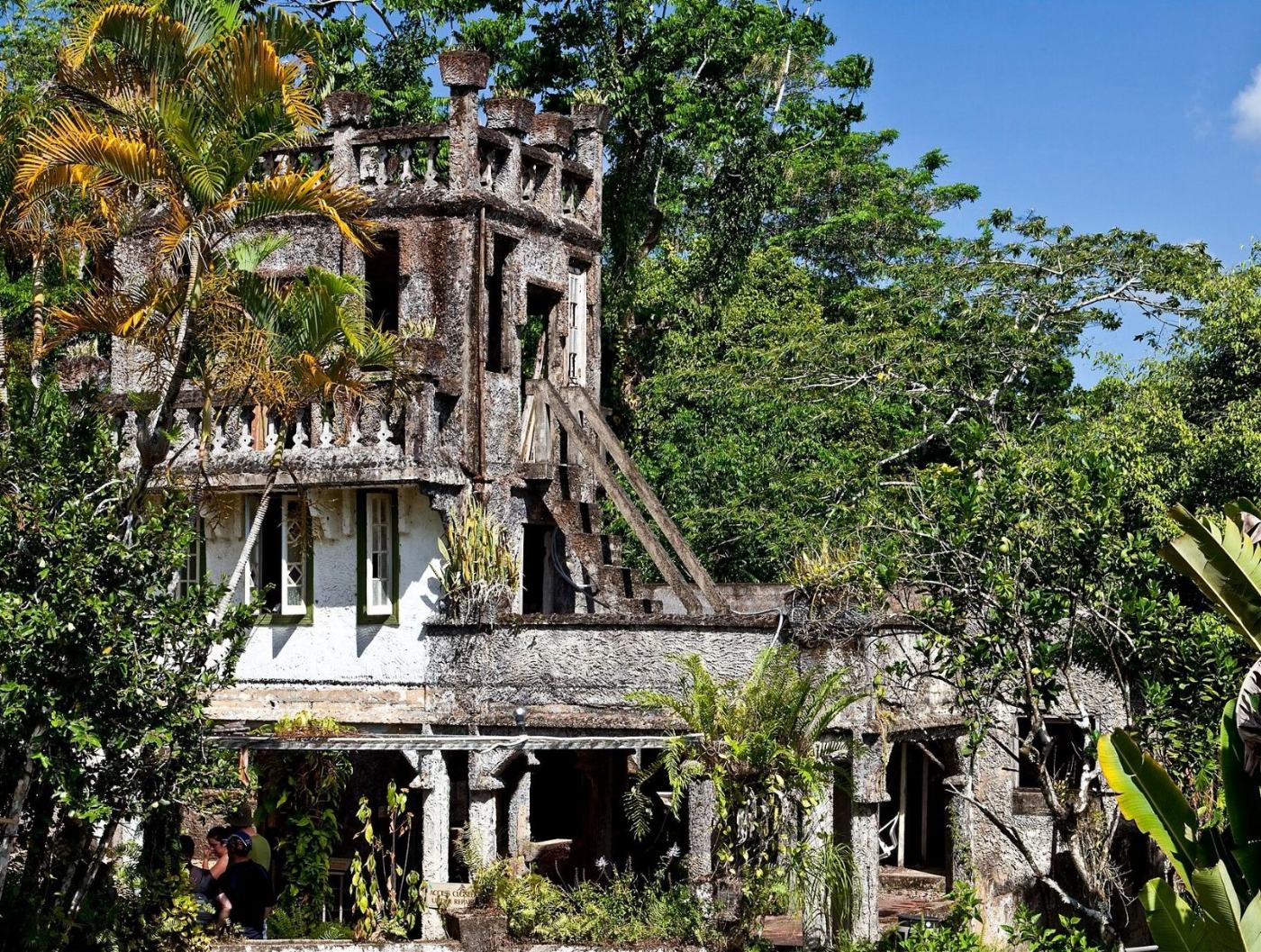
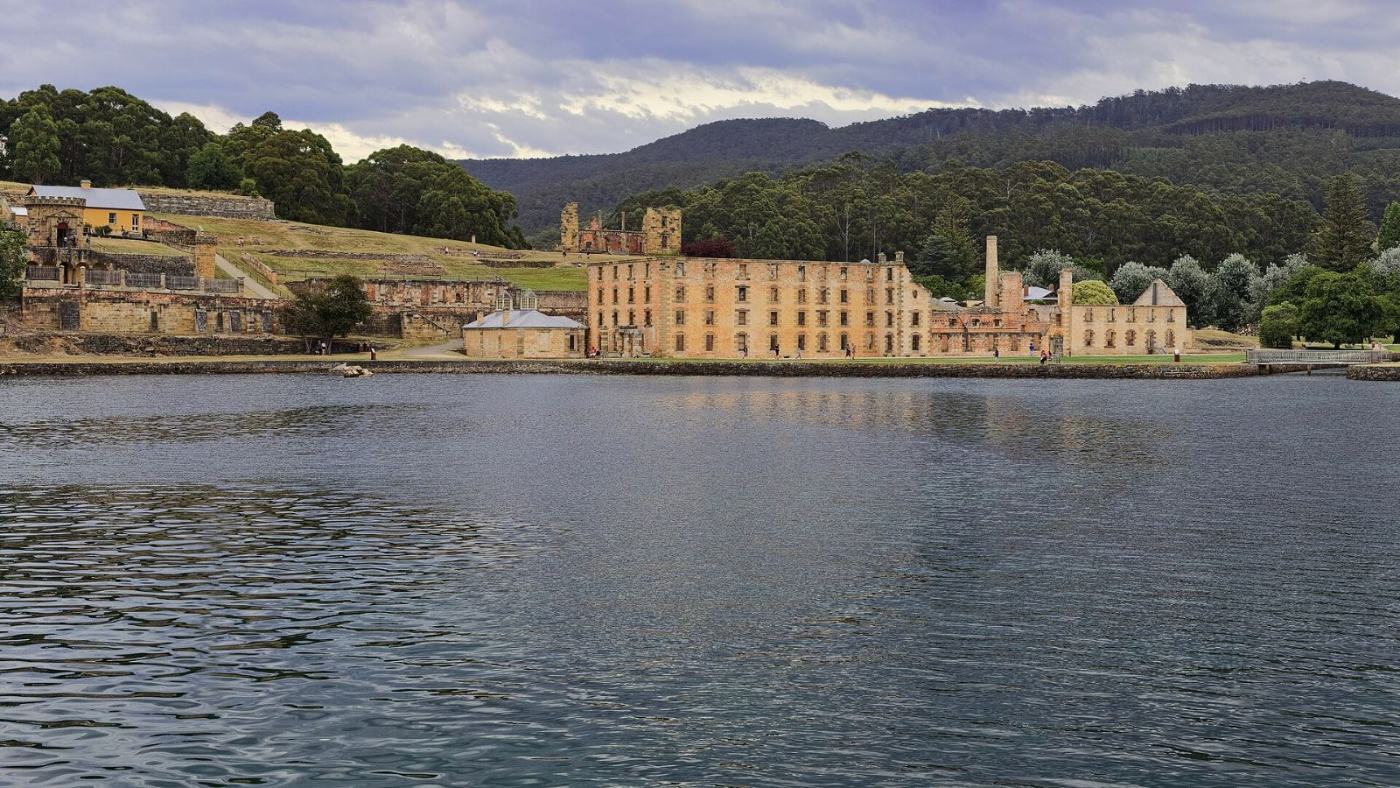
A guide can give context without turning a landscape into a backdrop. Notice how the buildings face the water, how the gardens were laid out, and how the ruins have weathered since the fires of the 1890s.
Brick, sandstone and convict labour
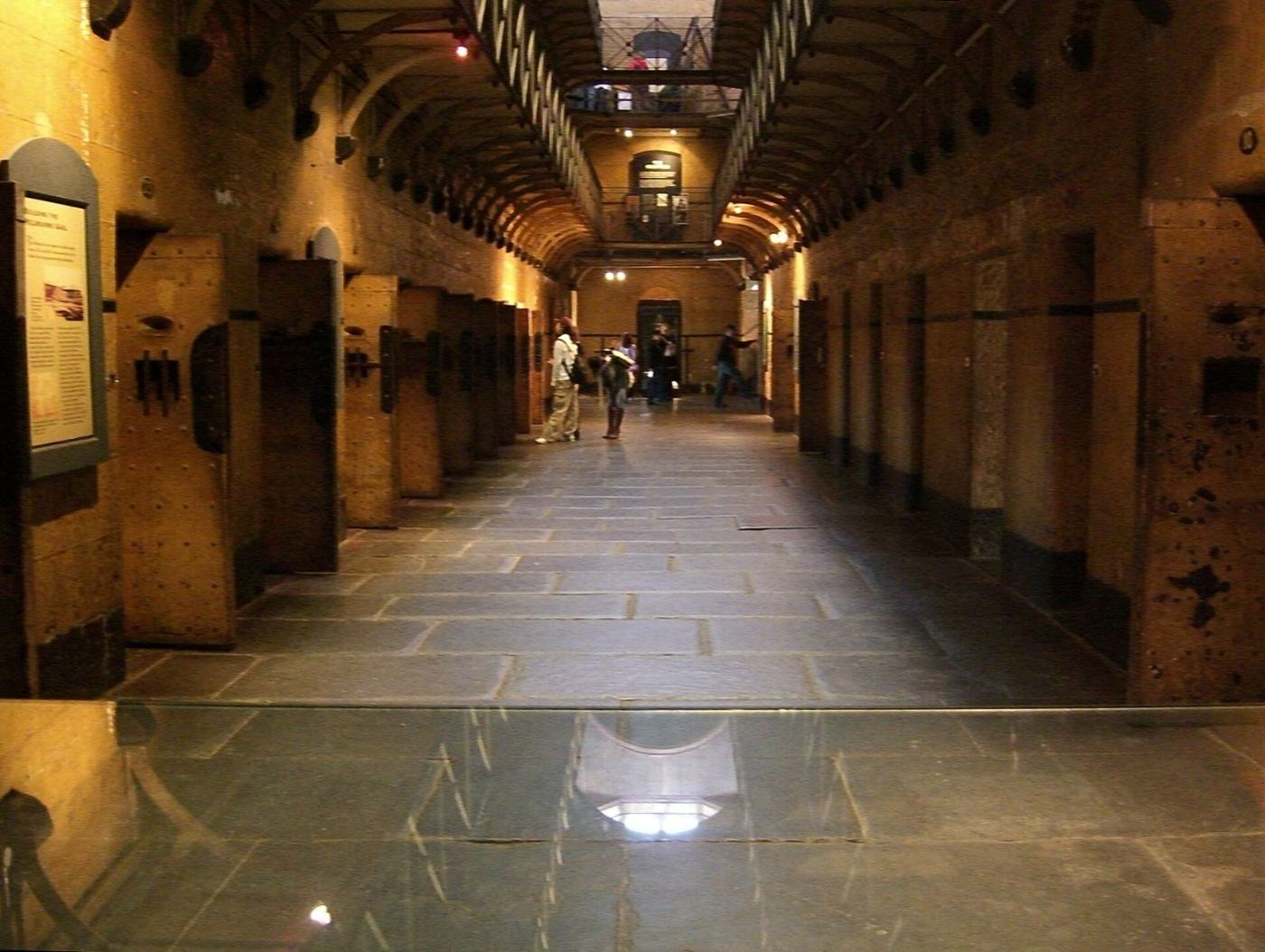
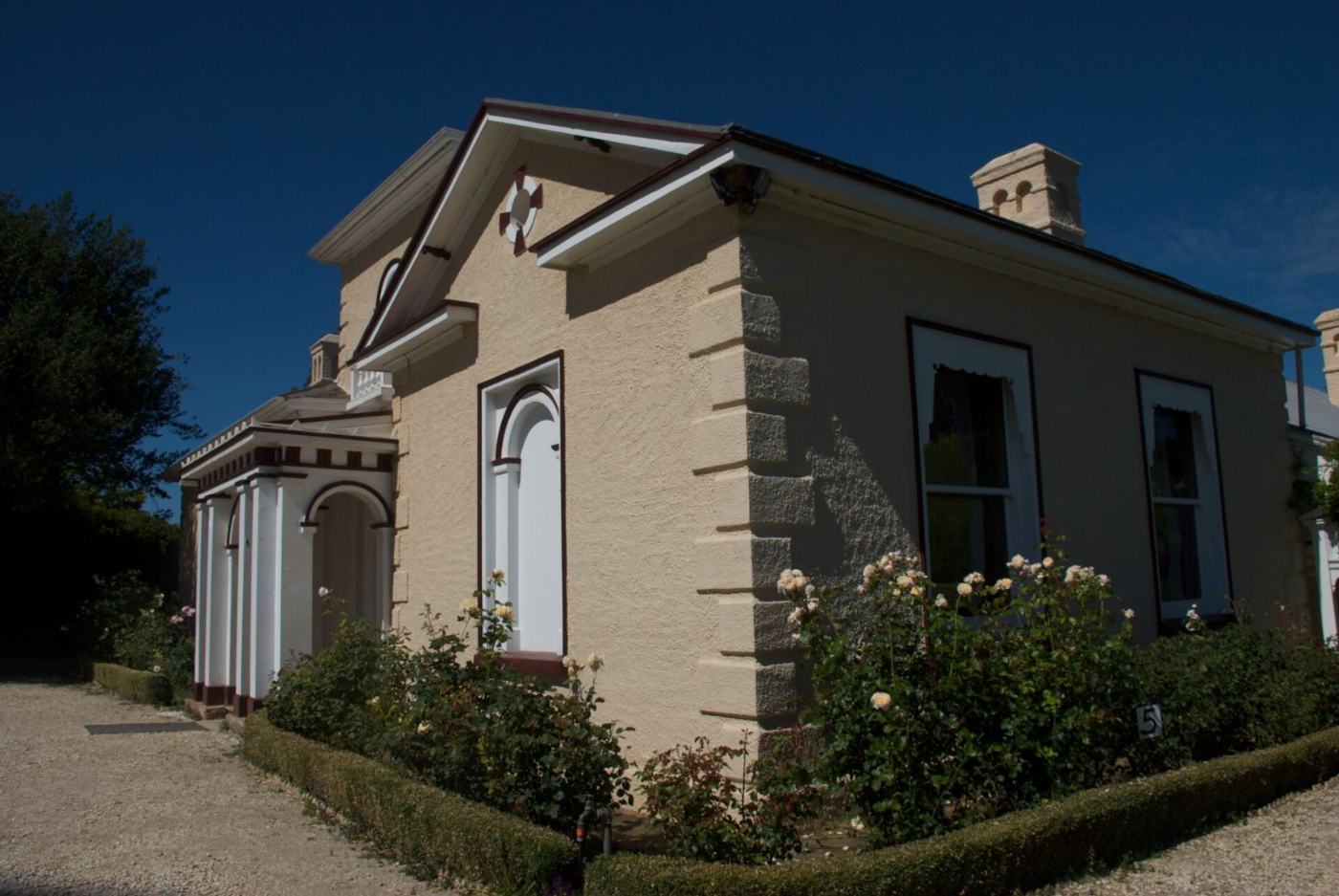
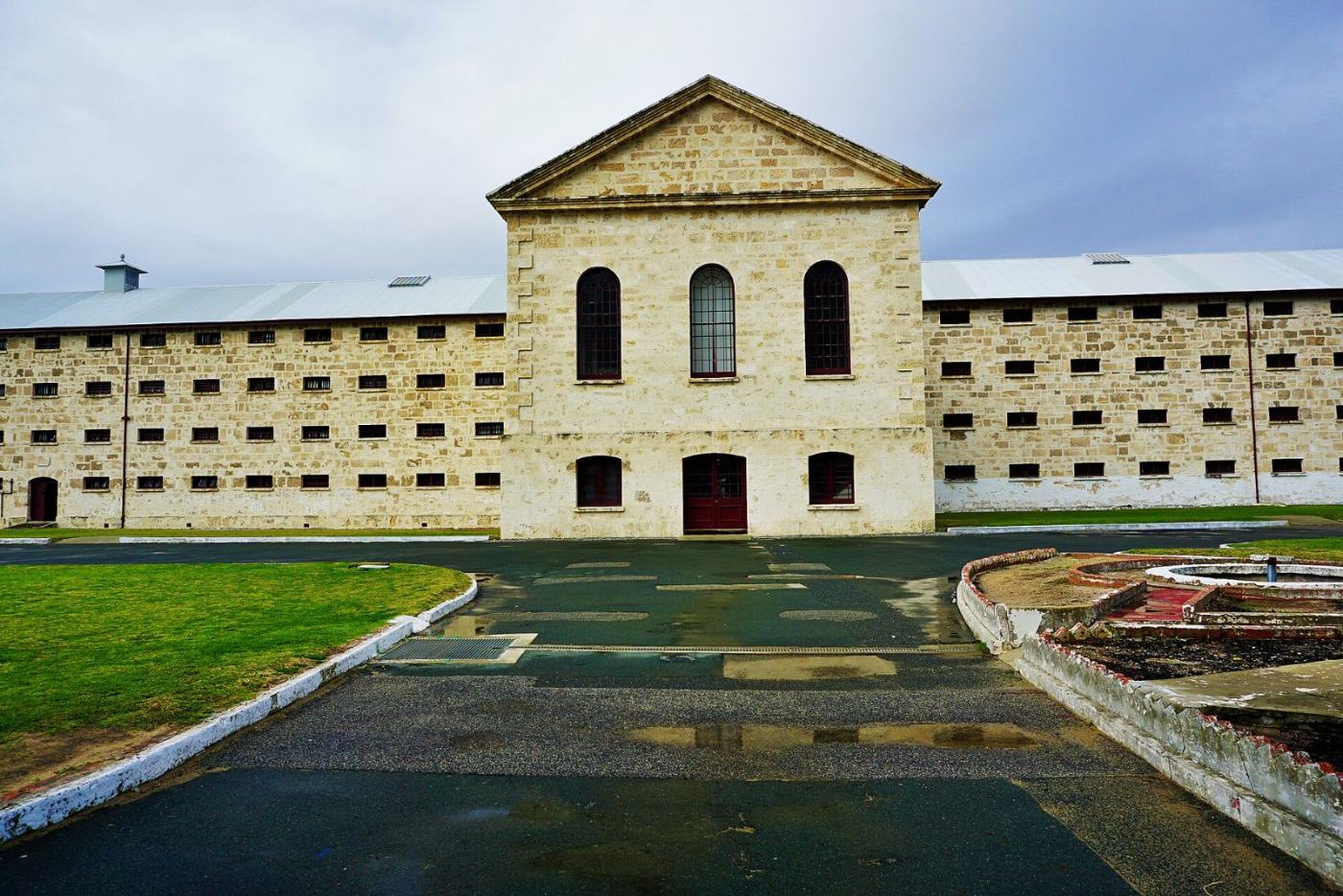
Convicts quarried stone, made bricks and built the settlement’s mill, prisons, church and houses. The Penitentiary began as a flour mill and granary before it was converted to hold prisoners.
Begin with a detail and ask how it was made, repaired and maintained. A photograph alone cannot tell you who cut a stone or laid a wall, or the conditions in which they worked.
A Port Arthur chapter
Port Arthur shows one side of Tasmania’s colonial history: a settlement built by forced labour, abandoned, burned and now conserved as a World Heritage site.
Look at the meeting of the two: the formal order of the gardens and buildings, and the hard lives of the people who built and lived in them.
Make room for context
Pair this reading with the site’s history and the Journal. This is an introduction for visitors, not a claim that our team manages these places, commissions their conservation or represents their makers.
Read at the source
Sources & further reading
- Port Arthur Historic Site: History
- Port Arthur Historic Site: Landmarks
- Wikipedia: Port Arthur, Tasmania
Links lead to the original publishers.