 Bookable
A timber station on unceded land
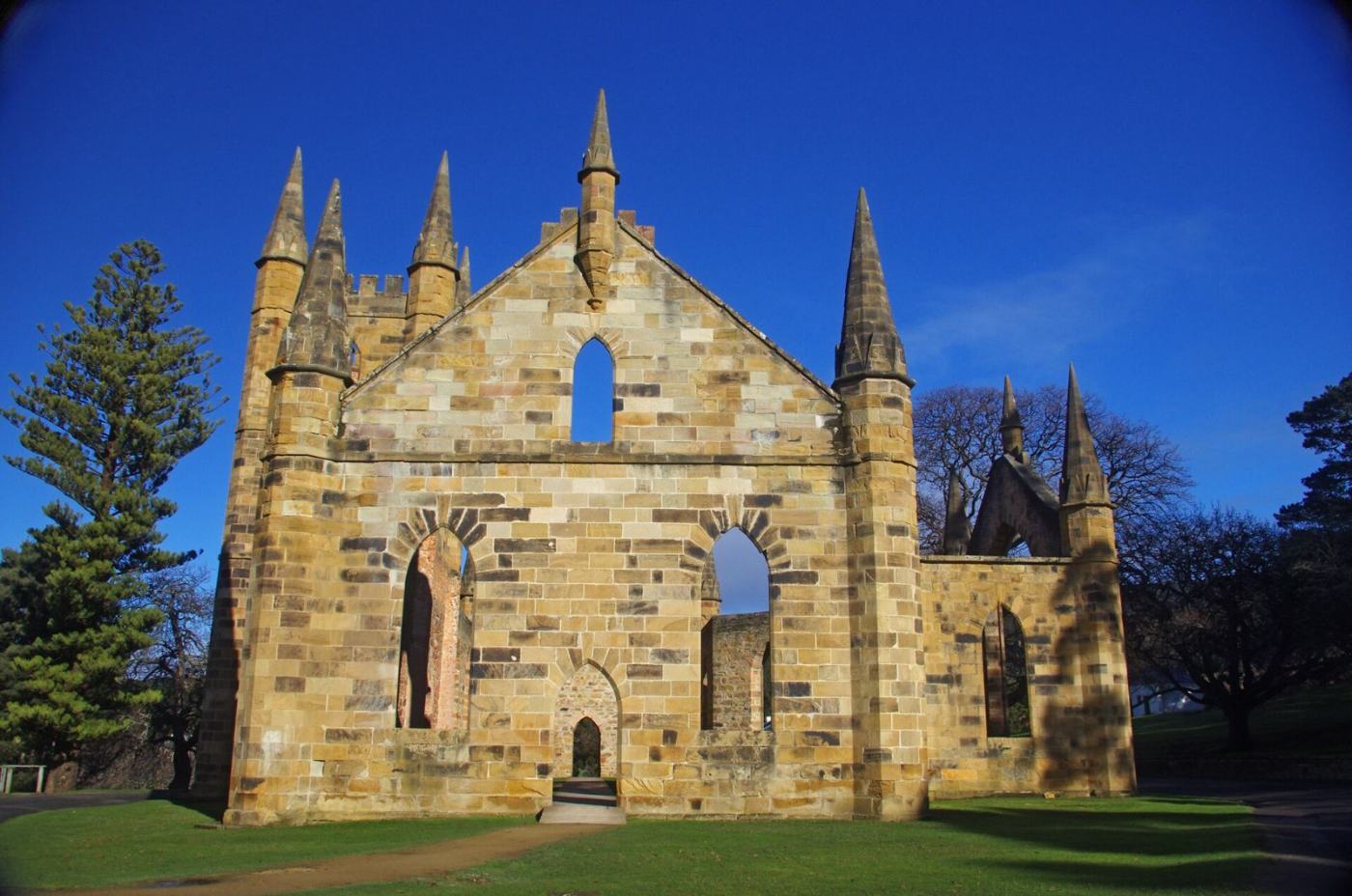
Port Arthur was established in September 1830 as a timber-getting camp and named after George Arthur, Lieutenant-Governor of Van Diemen’s Land. The site acknowledges that it is built on unceded Aboriginal land and pays respect to the Palawa, the Tasmanian Aboriginal community. From 1833 it held convicts who had reoffended in the colony, and the narrow isthmus at Eaglehawk Neck was guarded to stop escapes.
Work, punishment and reform
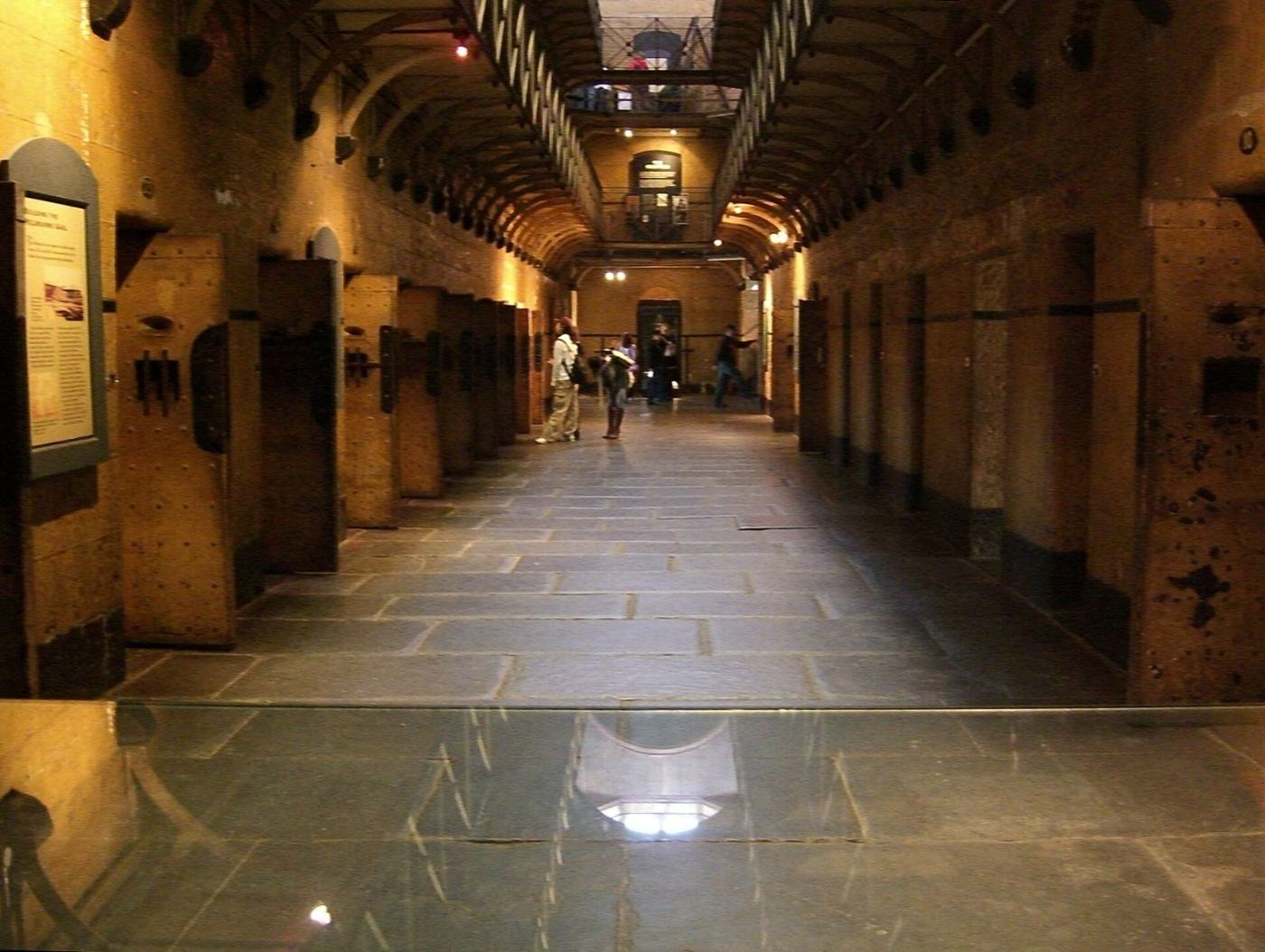
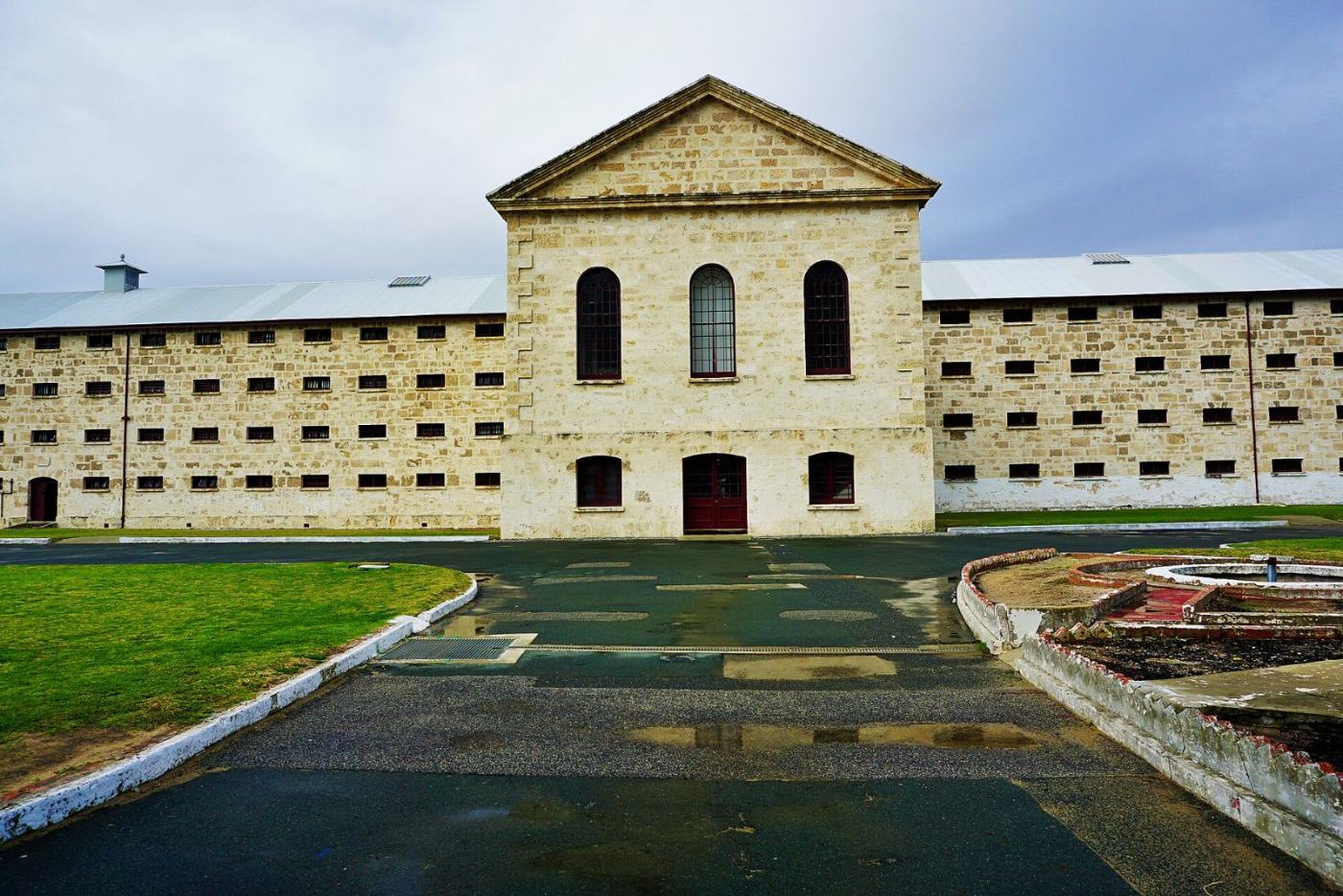
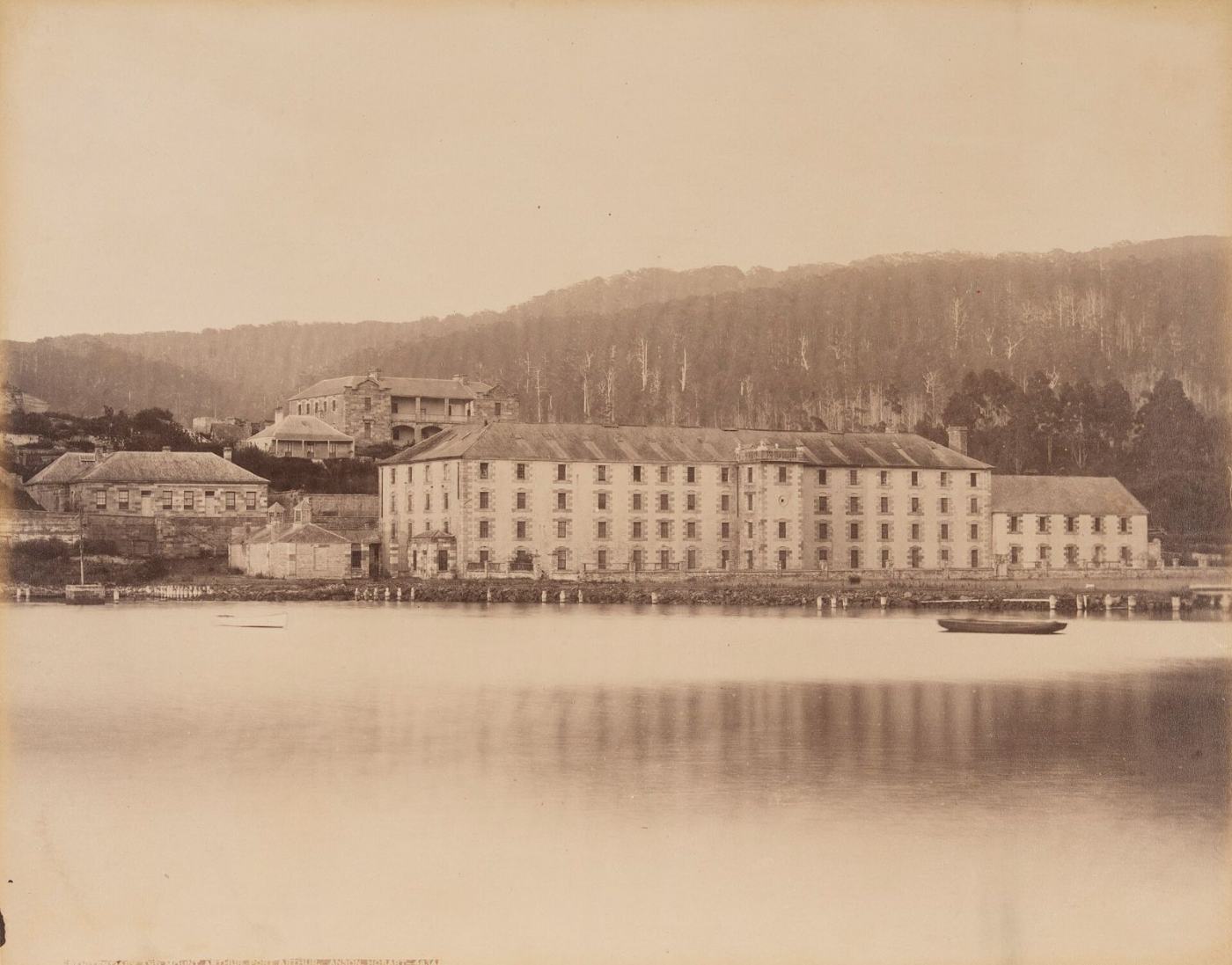
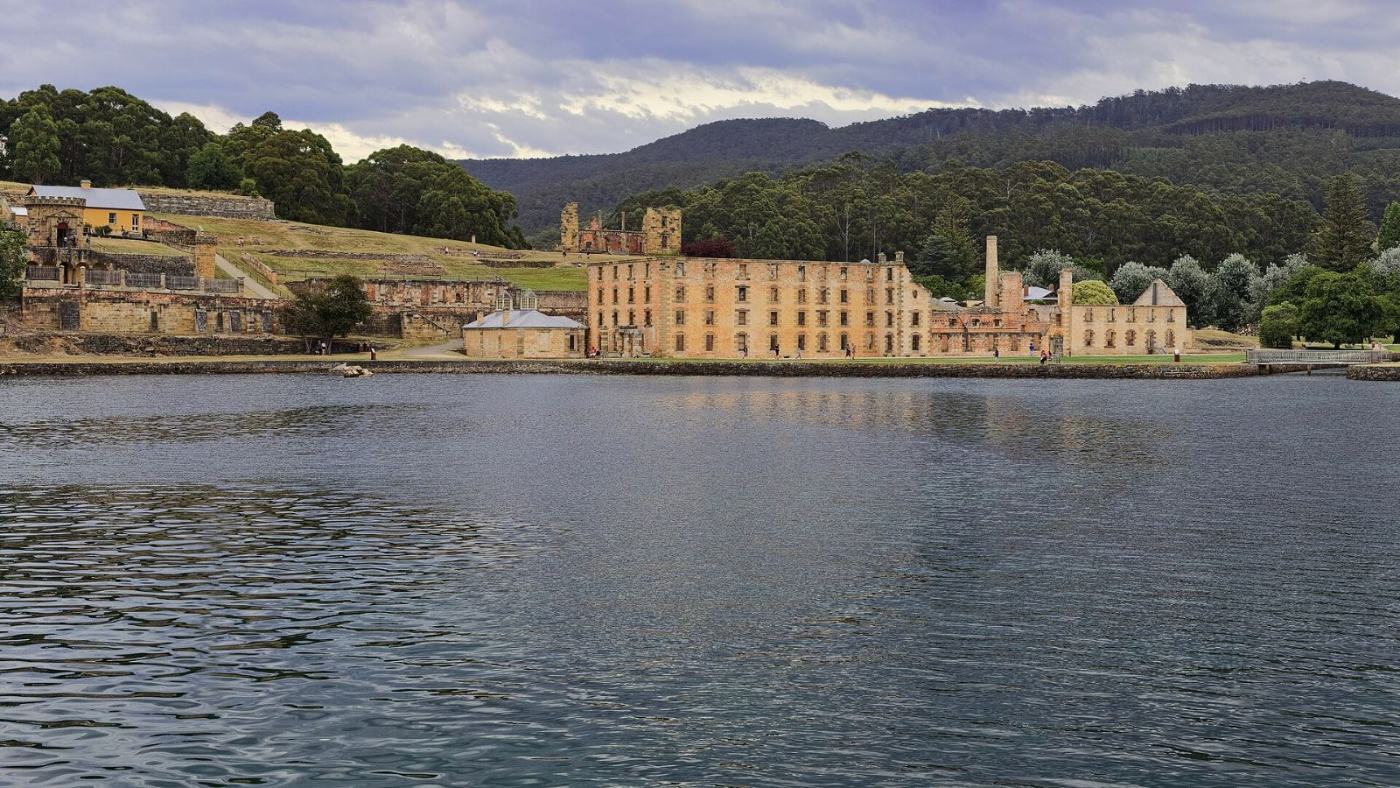
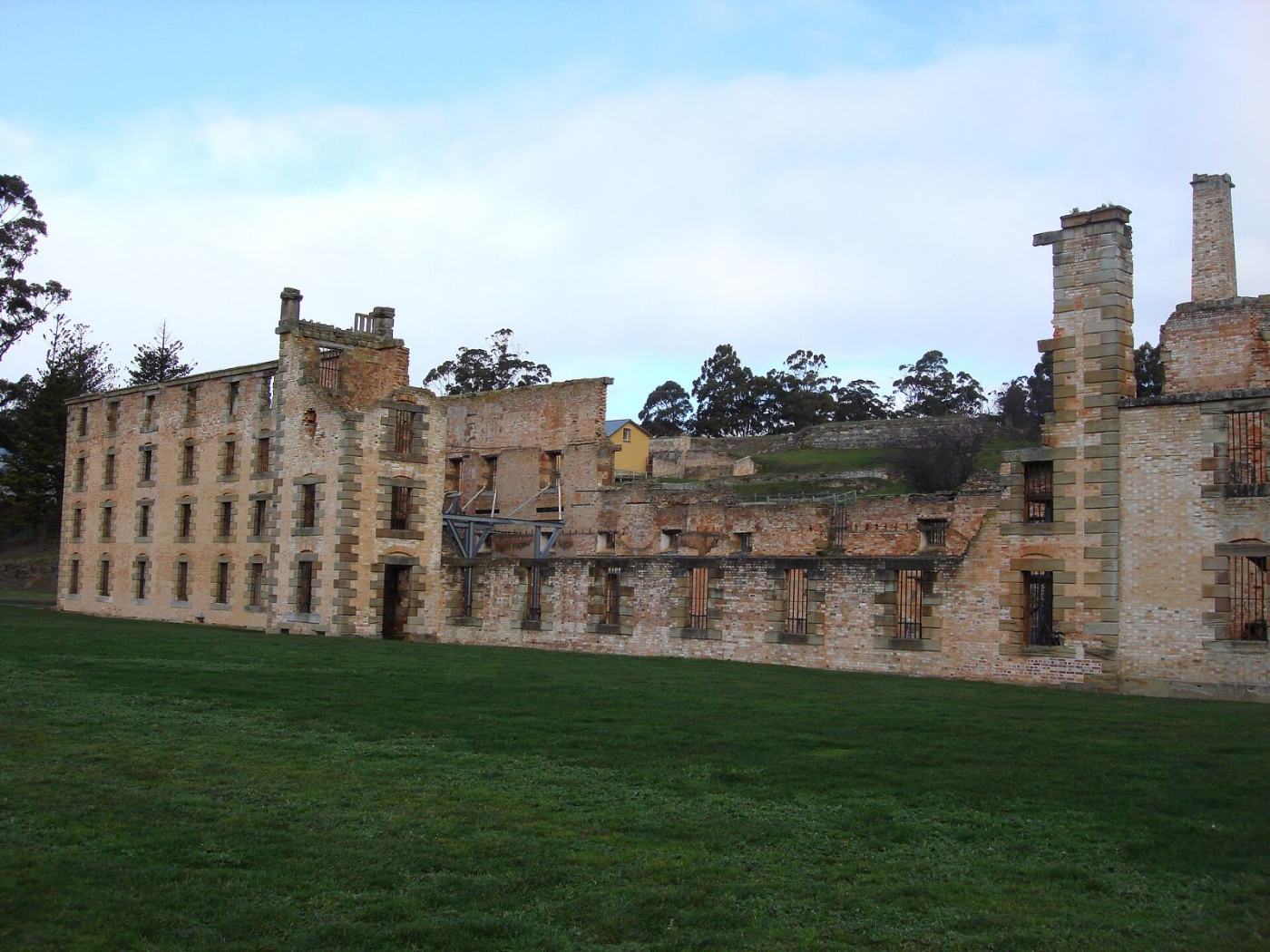
Convicts felled timber, built ships and made goods. A flour mill and granary begun in 1842 was converted into the Penitentiary between 1854 and 1857, and the Separate Prison, begun in 1848, replaced physical punishment with isolation and silence. Boys, some as young as nine, were held across the harbour at Point Puer.
From Carnarvon to heritage site
The last convicts left in 1877 and the town was renamed Carnarvon. Fires in 1895 and 1897 gutted the Penitentiary, the Separate Prison and the hospital. The name Port Arthur returned in 1927, the Port Arthur Historic Site Management Authority took over in 1987, and in 2010 the site was inscribed on the World Heritage List as one of the eleven Australian Convict Sites.