 Bookable
An Apollonaut travel guide
The place behind the detail.
A riverside mansion, the people enslaved on its farms and a pioneering preservation effort offer several ways into the story of Mount Vernon.
On this page
A mansion built in stages
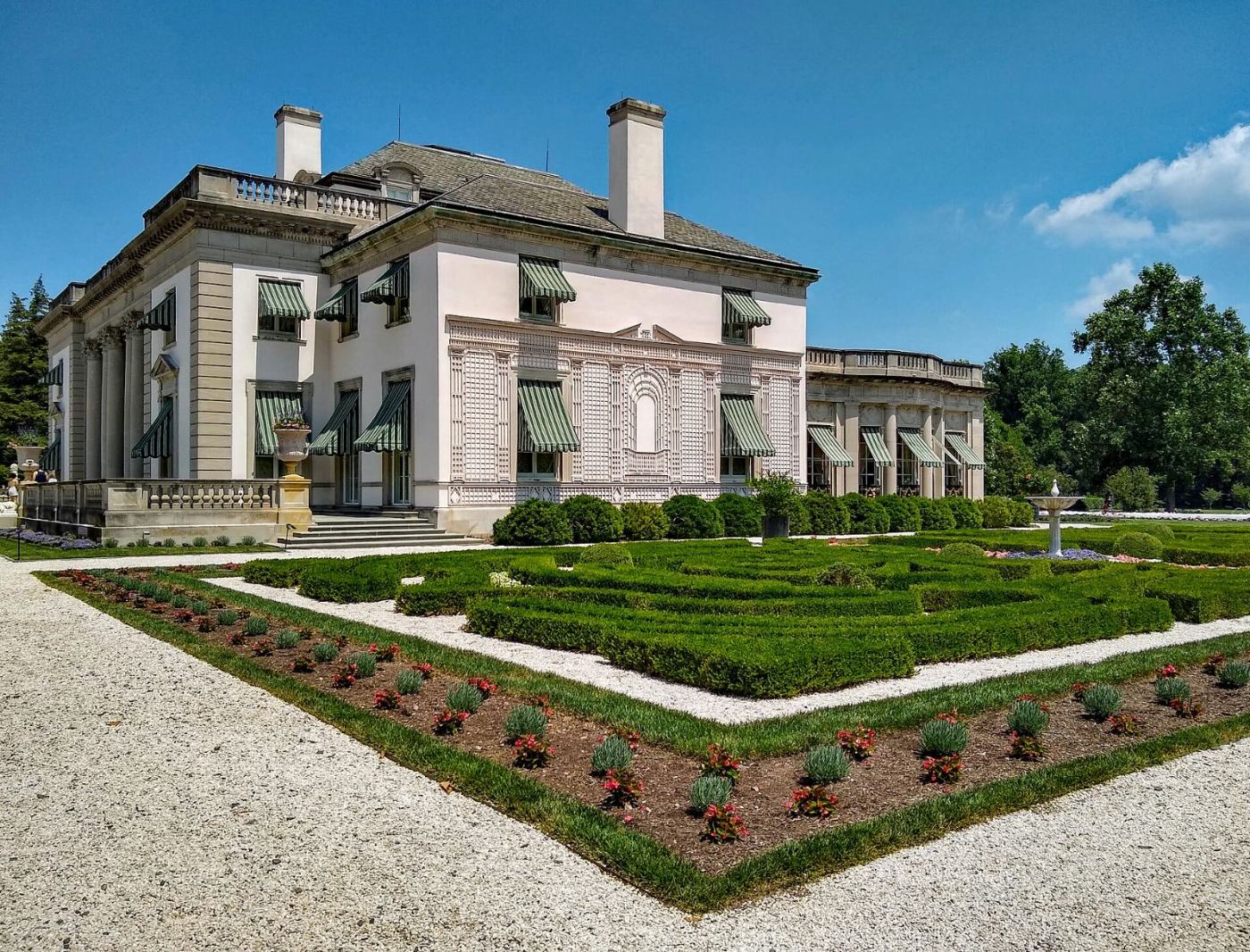
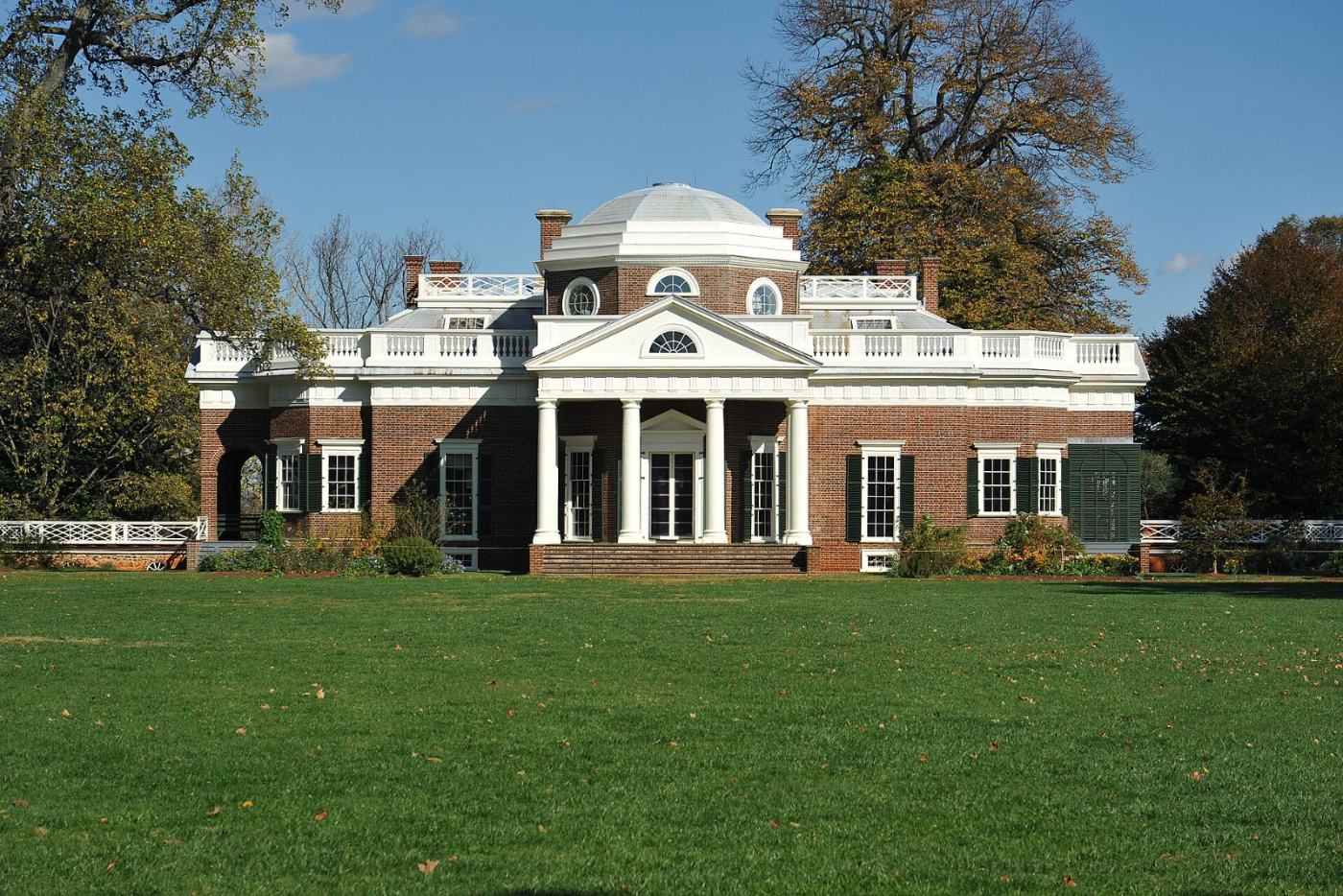
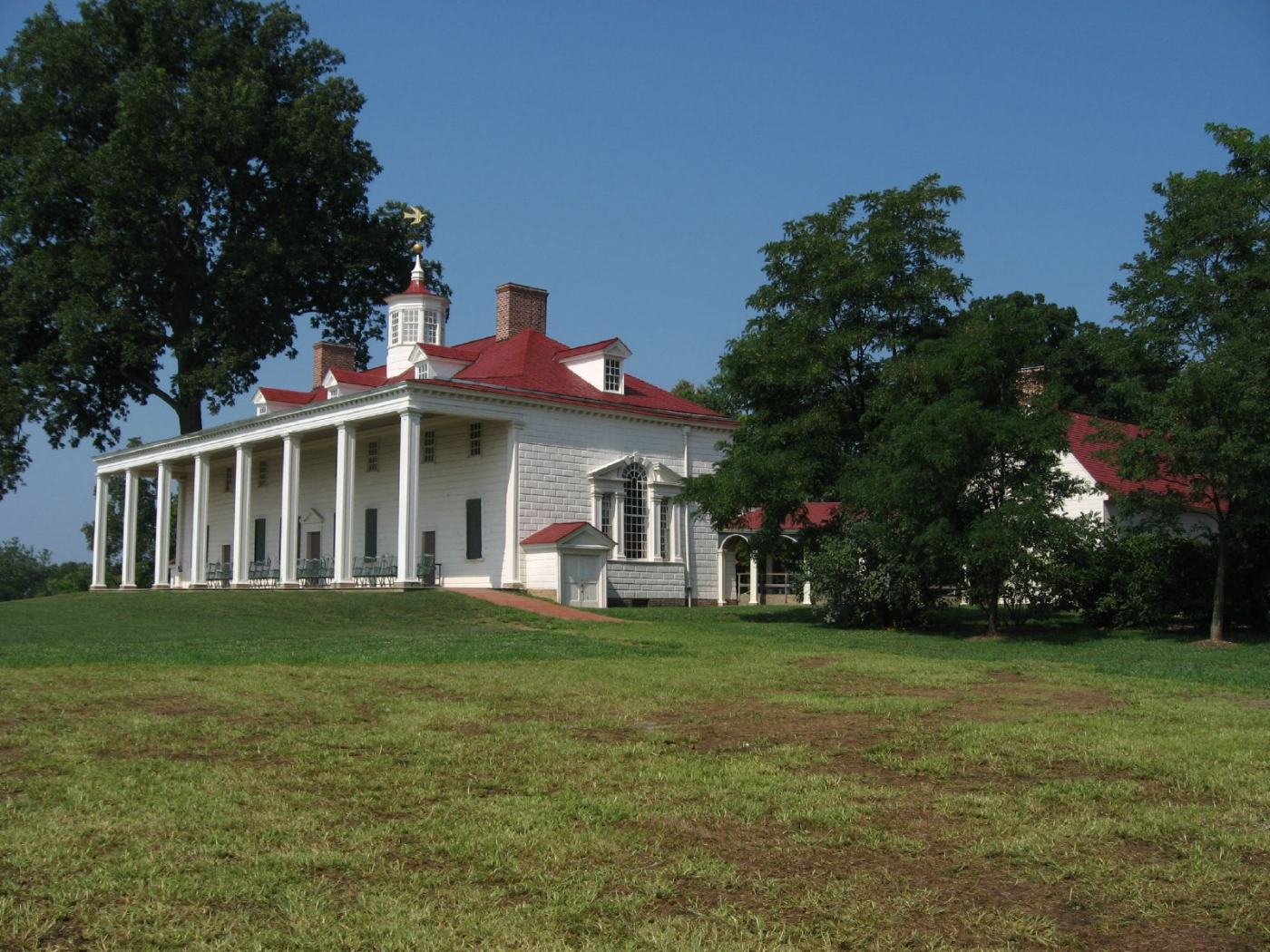
Augustine Washington began the house in about 1734. George Washington raised it to two and a half storeys in 1758 and added wings, a large room to the north and curved colonnades between 1774 and 1778, giving it 21 rooms.
The house is built of wood in a loose Palladian style, with a long piazza facing the Potomac River.
An enslaved community
Mount Vernon’s fields, mill, workshops and household were worked by enslaved people. In 1799 there were 317, including 143 children, living on its five farms.
Washington’s will freed the people he owned after Martha Washington’s death, and they became free in 1801. The 153 people held as part of the Custis estate remained enslaved.
Saved by the Ladies’ Association
In 1858 the Mount Vernon Ladies’ Association, led by Ann Pamela Cunningham, bought the mansion and part of the estate, and opened it to the public in 1860. Mount Vernon was designated a National Historic Landmark in 1960.
This history belongs to the place and the people who shaped it. The History page offers a longer introduction, and the timeline gives a short route through selected milestones.
Read at the source
Sources & further reading
- Wikipedia: Mount Vernon
- Wikipedia: George Washington and slavery
- Wikipedia: Mount Vernon Ladies’ Association
Links lead to the original publishers.