 Bookable
An Apollonaut travel guide
A house on the river.
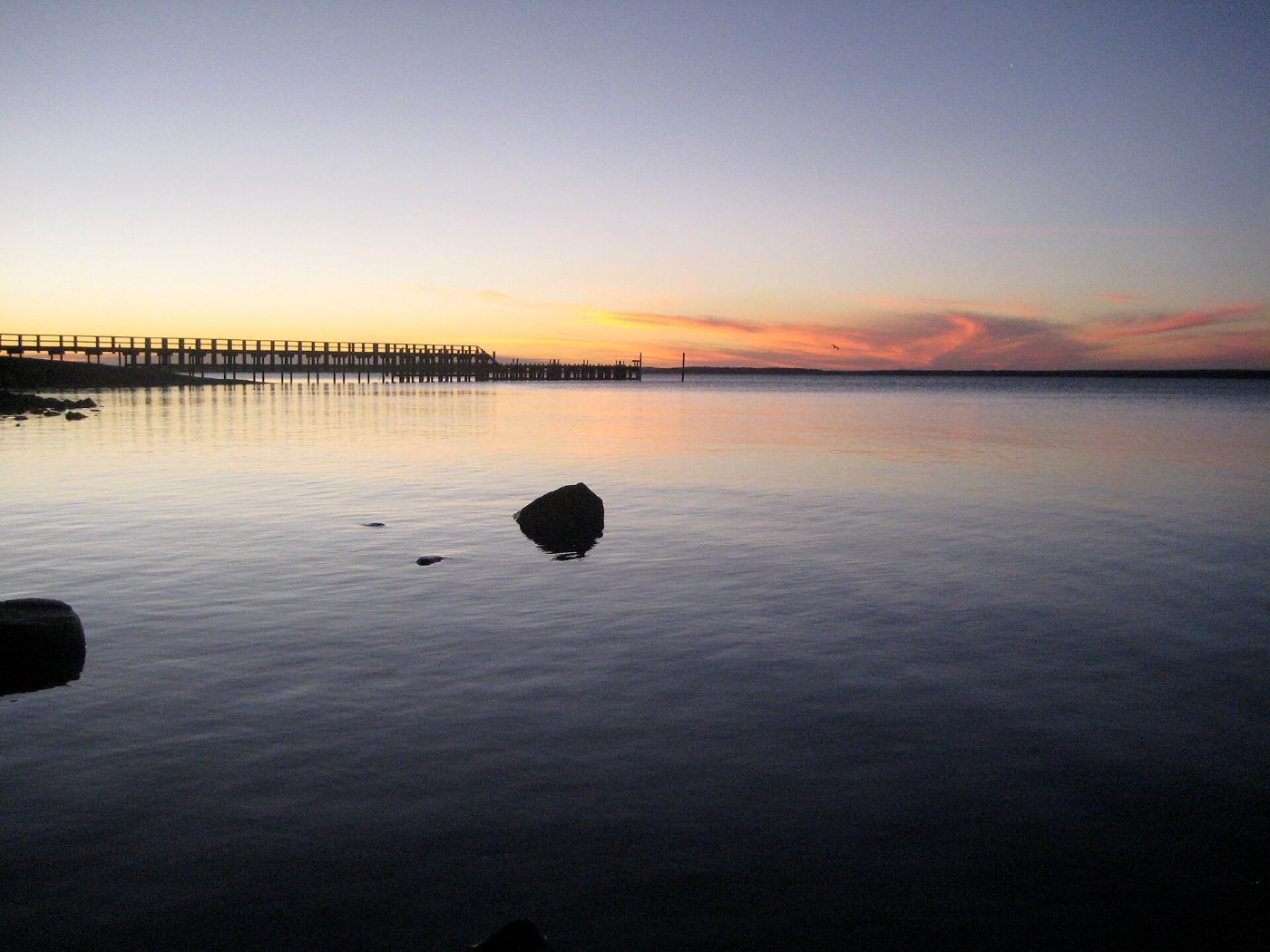
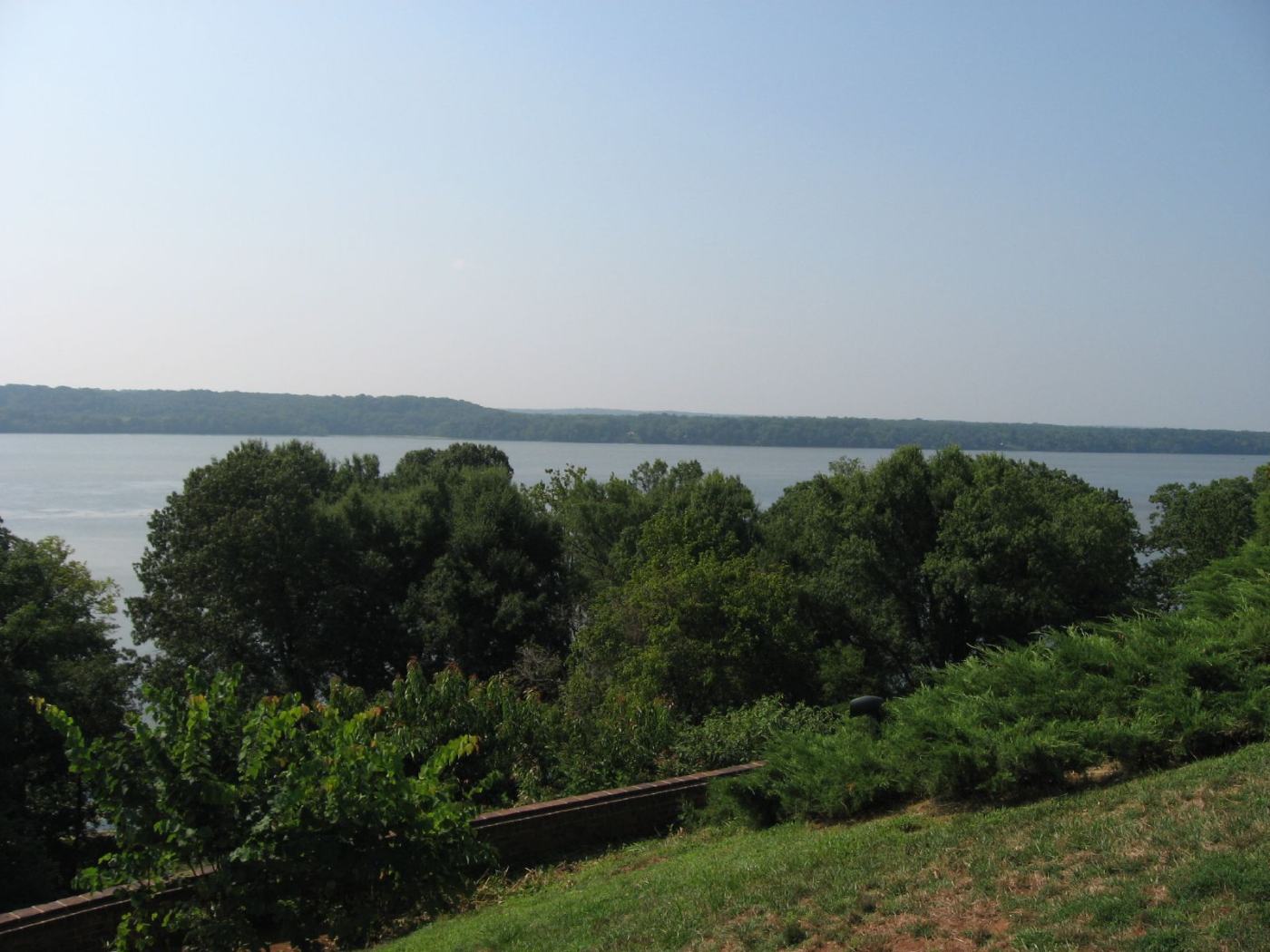
An introduction to the Potomac shore of northern Virginia, where Mount Vernon looks across the river towards Maryland.
On this page
Read the land from the river
Mount Vernon stands in Fairfax County, Virginia, on the Potomac River, about 15 miles south of Washington, D.C. In George Washington’s time the estate covered about 8,000 acres; about 500 remain today.
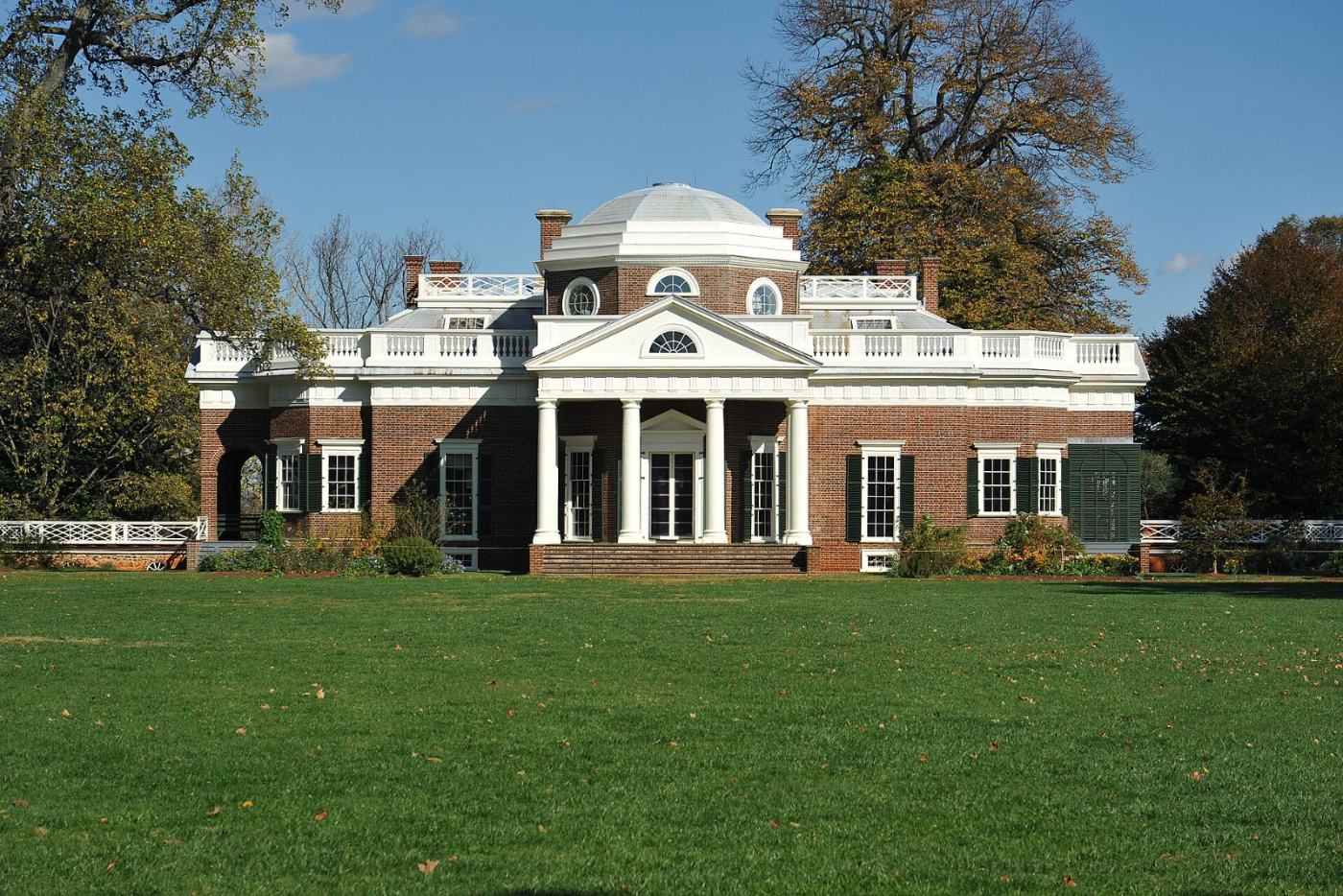
A regional guide can give context without turning a landscape into a backdrop. Notice how the house faces the river, how outbuildings cluster around it and how the work of the estate was arranged. Respect homes, working farms and places of worship.
A house of wood
The mansion is built of wood in a loose Palladian style, enlarged in stages between 1758 and 1778. Much of the skilled work on the estate, including carpentry, was done by enslaved artisans.
Begin with a detail and ask how it was made, repaired and maintained, and by whom. A photograph alone cannot tell you who built a wall or cut a beam, or the conditions in which they worked.
A Mount Vernon chapter
Mount Vernon shows one side of 18th-century Virginia: a large plantation run on enslaved labour, home to a man who led a revolution in the name of liberty.
Look at the meeting of the two: the formal house on the hill, and the quarters, workshops and fields where most of its people lived and worked.
Make room for context
Pair this regional reading with the estate’s history and the Journal. This is an introduction for visitors, not a claim that our team manages these places, commissions their restoration or represents their makers.
Read at the source
Sources & further reading
Links lead to the original publishers.