 Bookable
An Apollonaut travel guide
The place behind the detail.
A hill above an estuary, a fish-salting quarter and a famous legend offer several ways into the story of Lixus.
On this page
A hill above the Loukkos
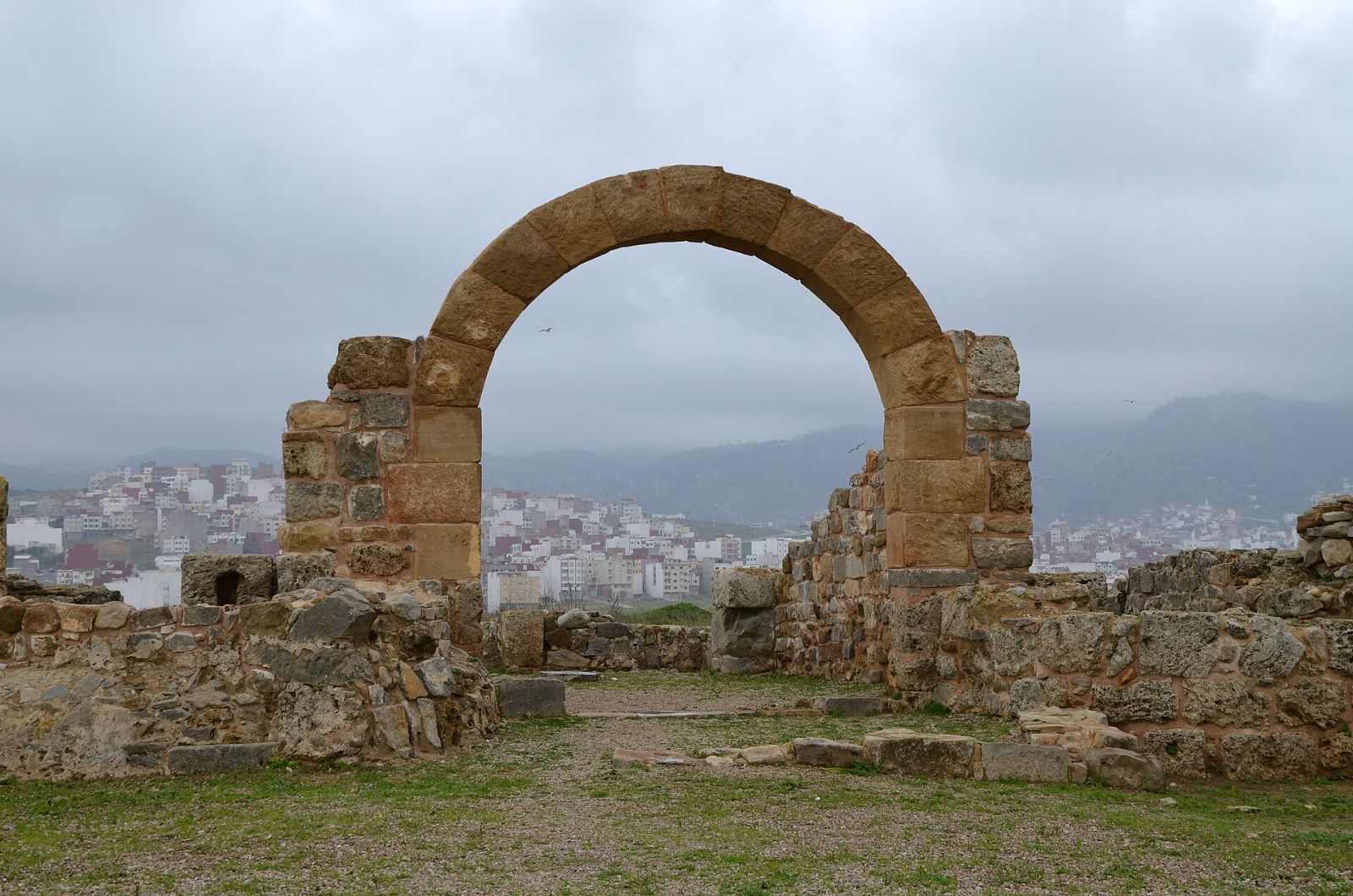
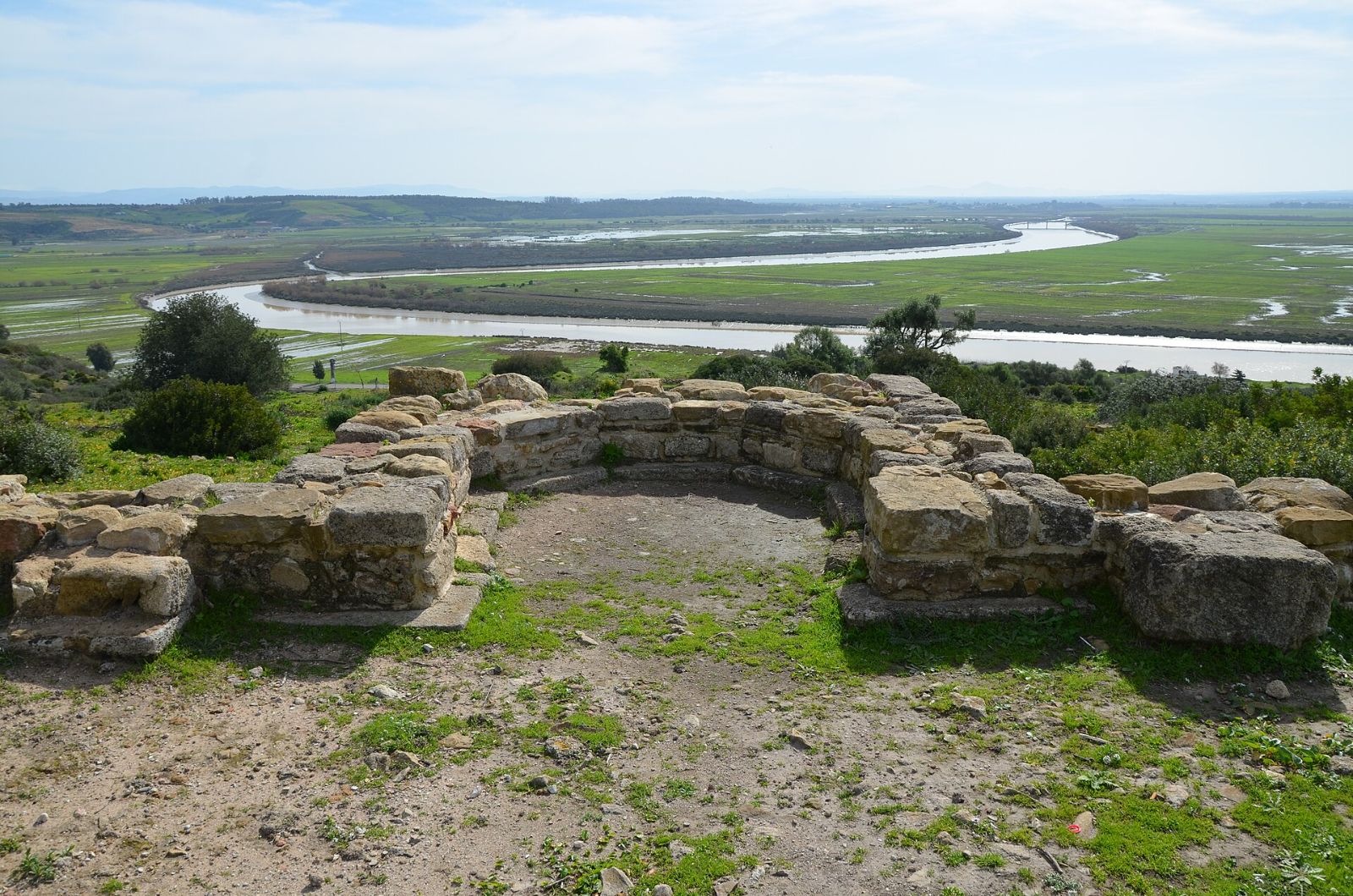
Lixus covers a hill about 80 metres high on the right bank of the Loukkos, about 4 km from the Atlantic. The city looked over the estuary and the marshy plain below it, and a port on the river served its trade.
Archaeologists recognise five phases on the site: Phoenician, Punic, Mauretanian, Roman and Islamic. Only about a fifth of the site has been excavated.
Stone, mosaic and salt
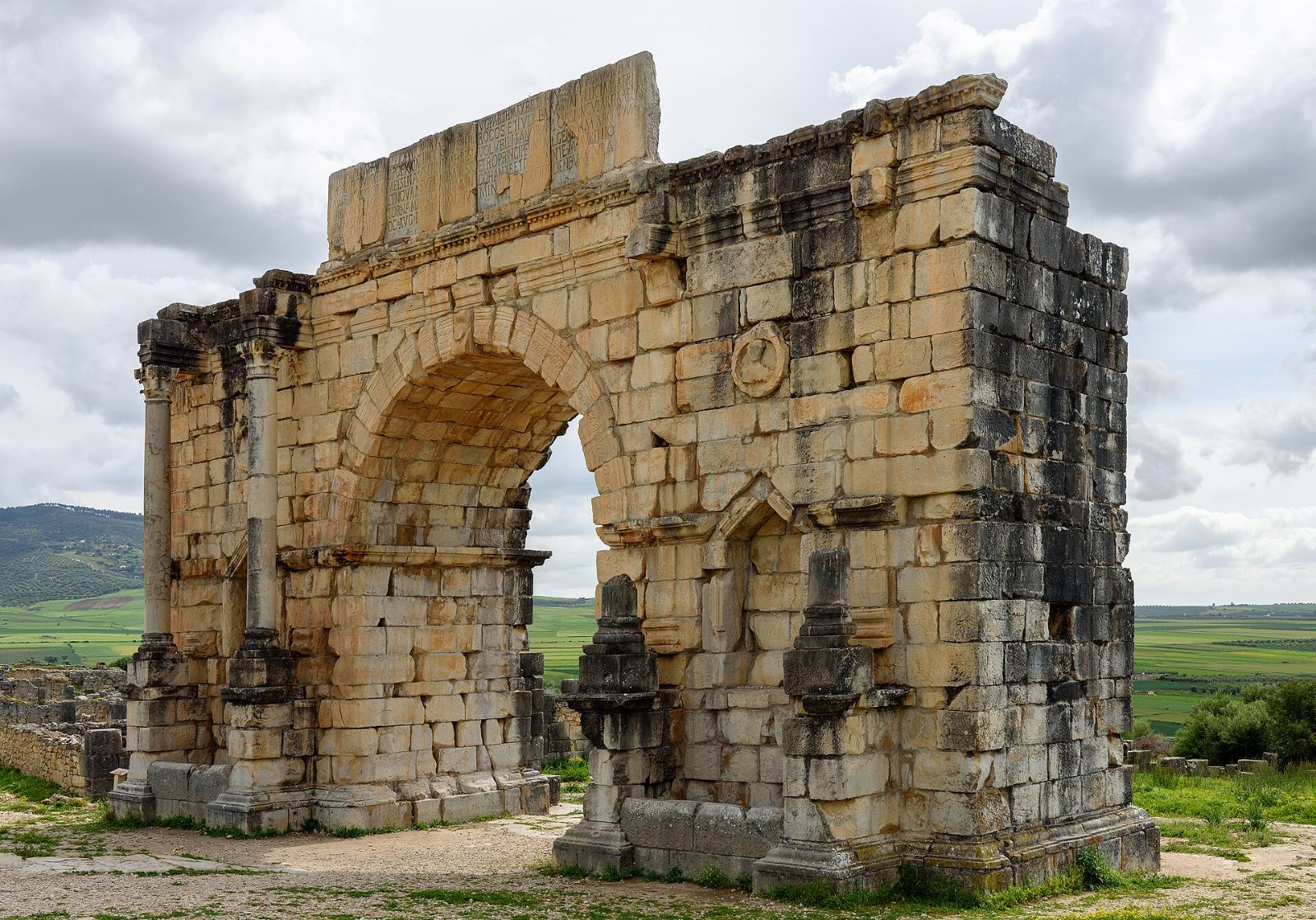
The lower town holds the fish-salting quarter, with about ten factories and 150 vats. Higher up are the amphitheatre and baths of the 1st century AD, and on the summit a quarter of temples, houses, cisterns and walls from several periods.
Mosaics found at Lixus in the 1950s, with scenes such as Mars and Rhea Silvia and the Three Graces, are now in the Archaeological Museum of Tétouan. The Ocean mosaic in the baths was restored in place in 2020.
A place of legend
Classical writers placed the Garden of the Hesperides and its golden apples at Lixus, along with the home of the giant Antaeus, whom Hercules defeated. Pliny the Elder read the dragon that guarded the garden as the winding estuary below the hill.
These stories are legend, and they belong alongside the archaeology rather than in place of it. The History page offers a longer introduction, and the timeline gives a short route through selected milestones. The sources below were checked on 8 November 2026.
Read at the source
Sources & further reading
Links lead to the original publishers.