 Bookable
A Phoenician city on the Loukkos
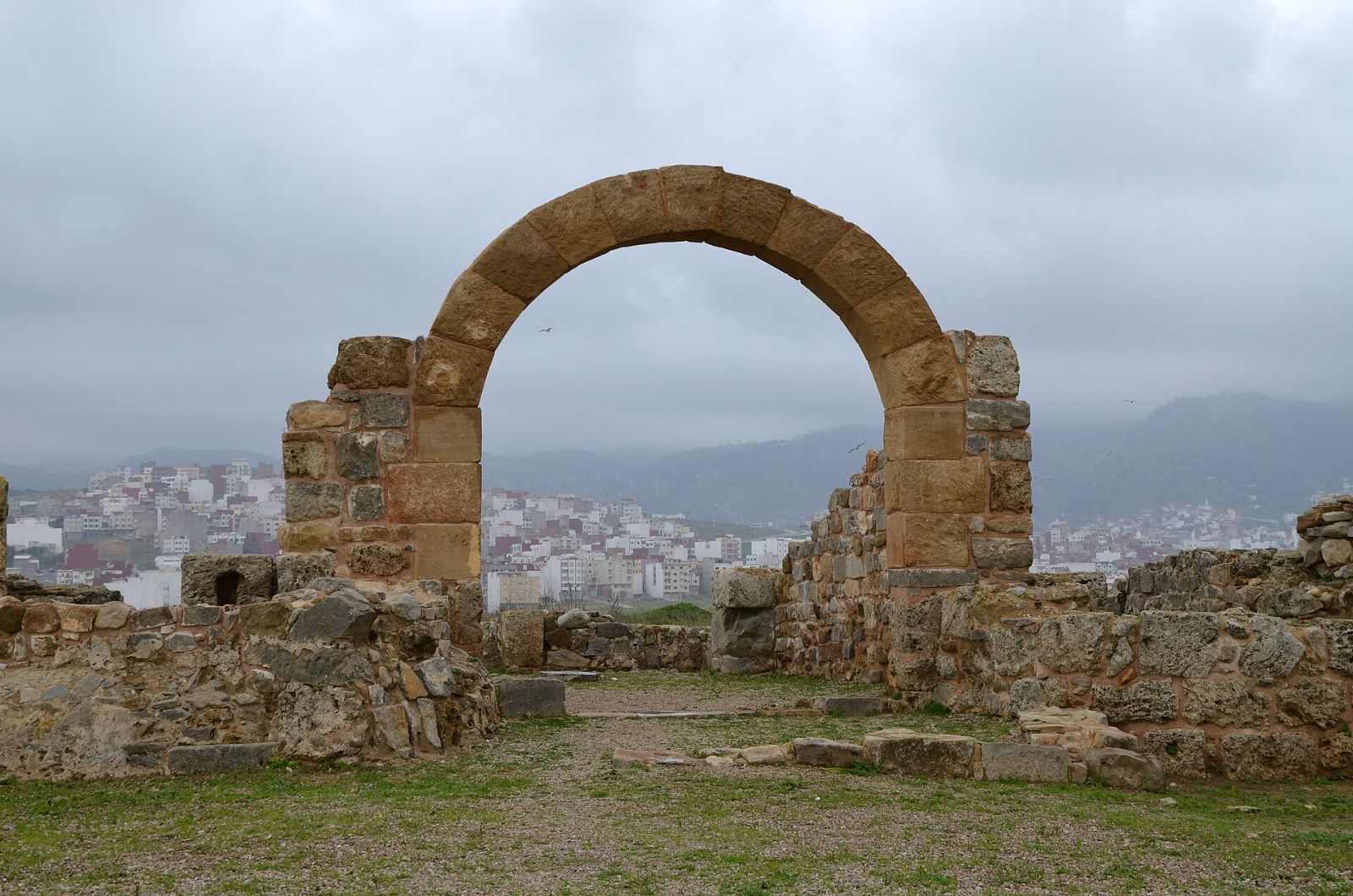
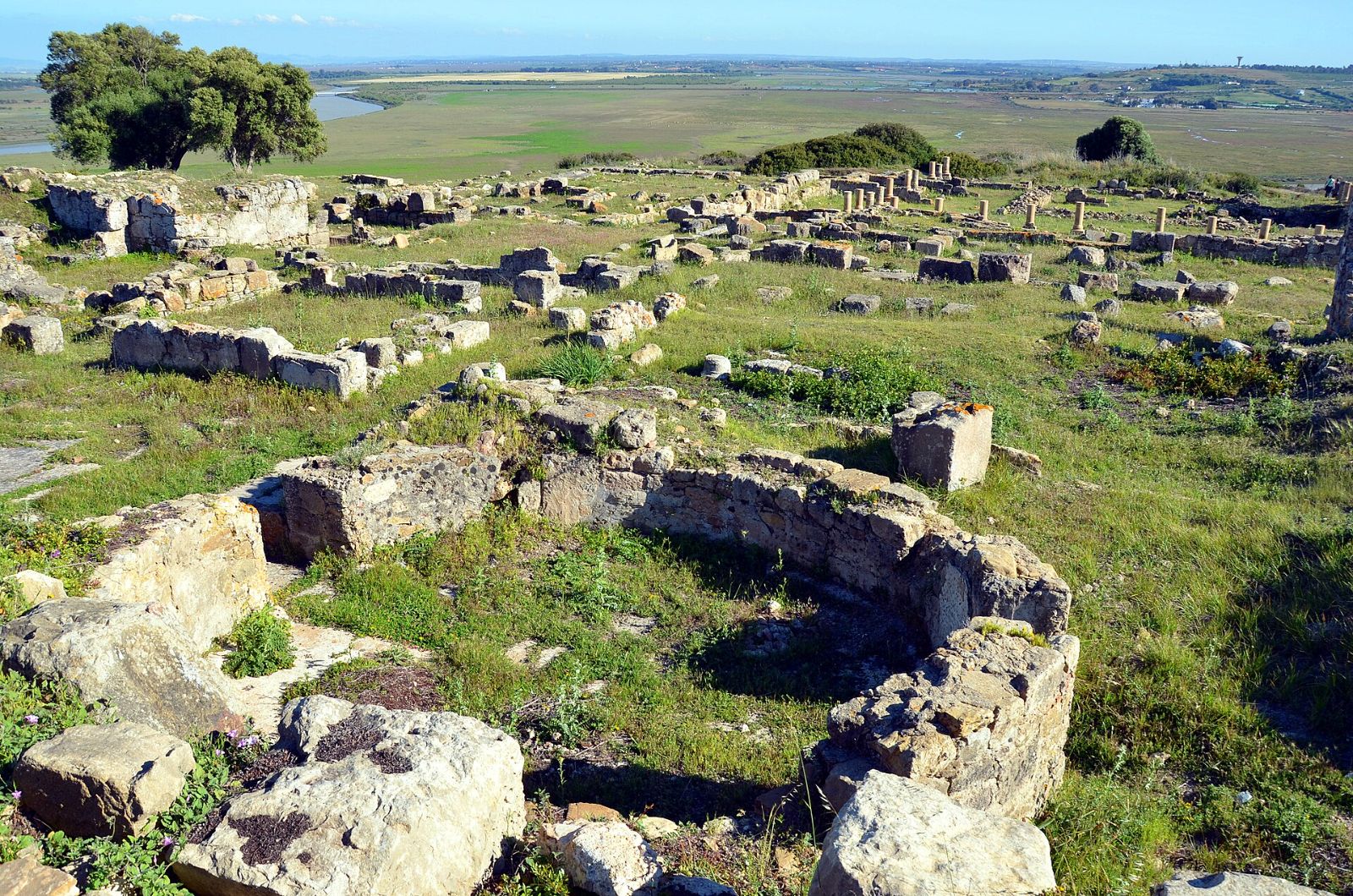
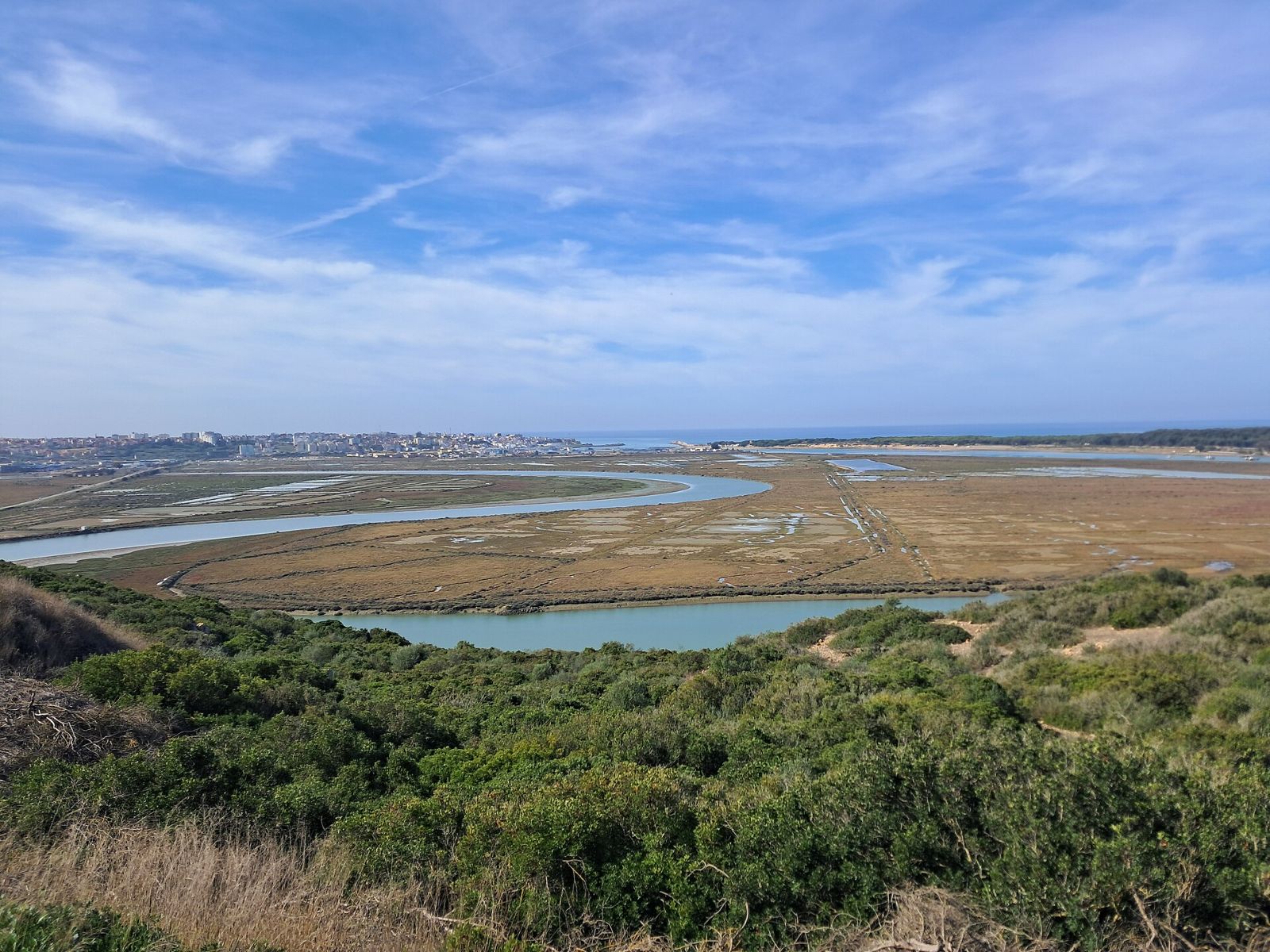
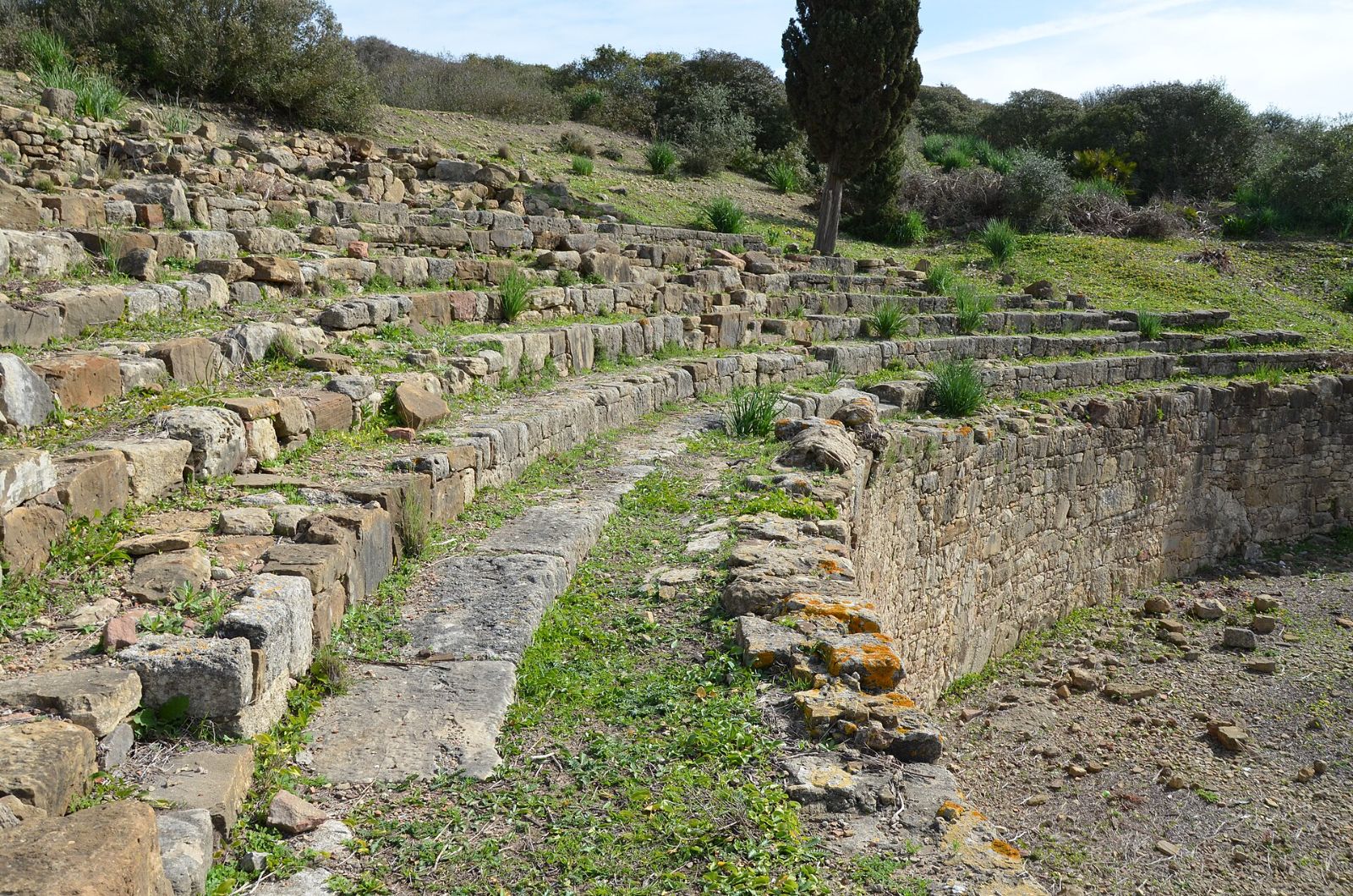
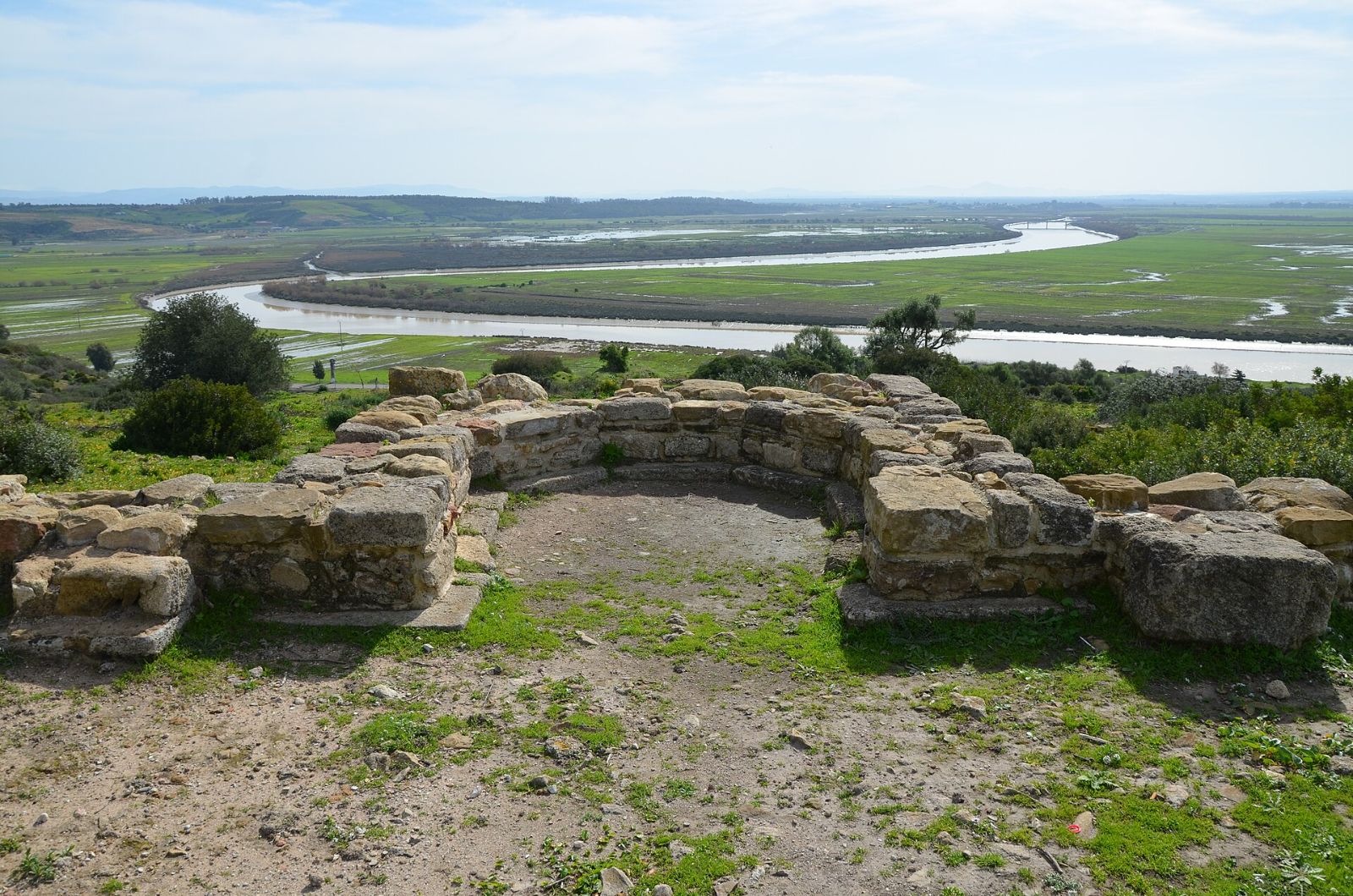
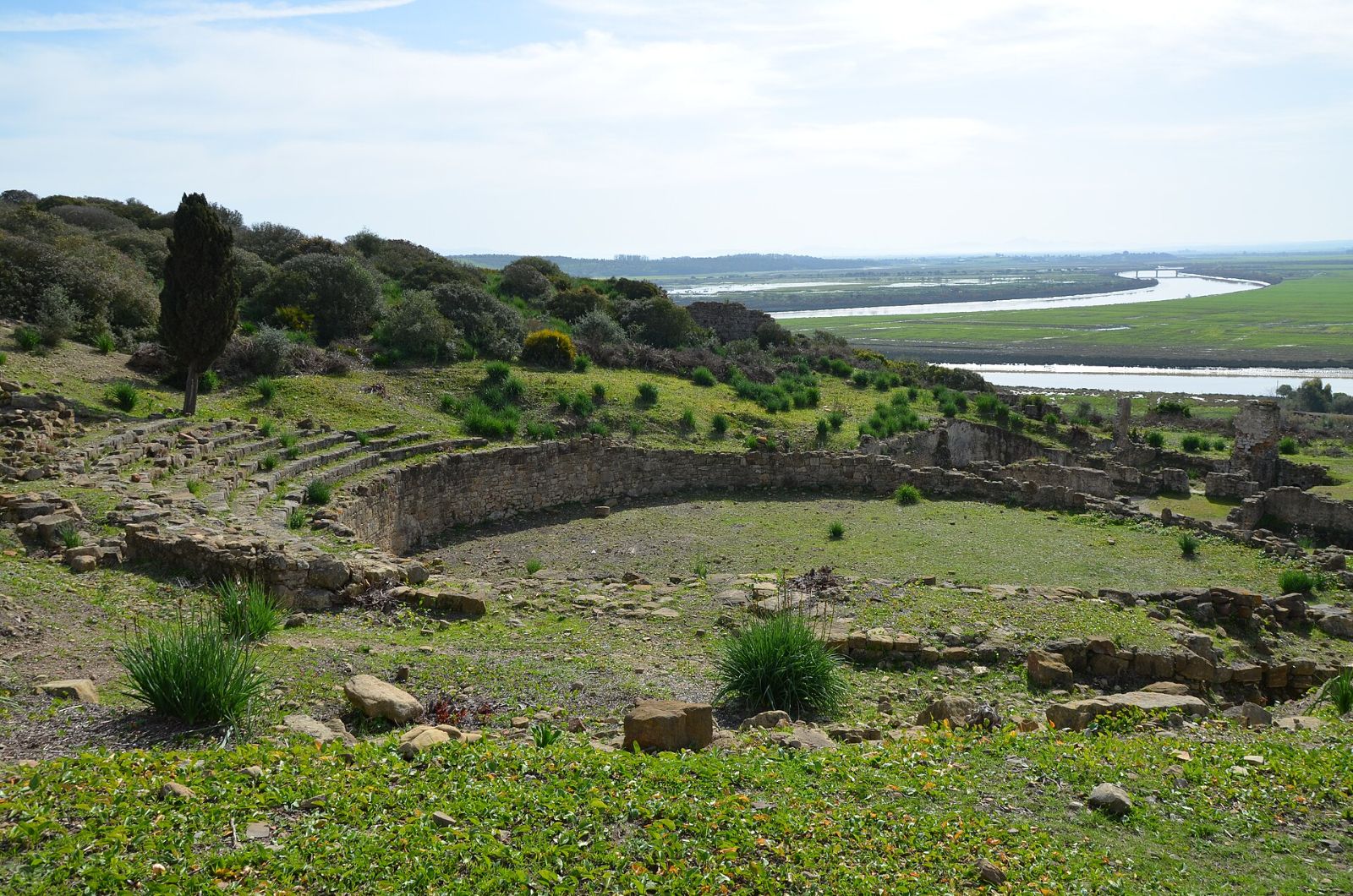
Lixus stands on a hill known as Tchoummich, on the right bank of the Loukkos about 4 km from its mouth. Phoenicians settled here in the early 8th century BC, above an earlier local settlement, and the city went on to pass through Punic, Mauretanian, Roman and Islamic phases.
Mauretanian kings and a Roman colony
Lixus flourished under the Mauretanian kings Juba II and his son Ptolemy. After Ptolemy was killed on the orders of the emperor Caligula in AD 40, Rome annexed his kingdom, and under Claudius Lixus became a Roman colony. An amphitheatre and public baths were built in the second half of the 1st century AD.
Salt, fish and trade
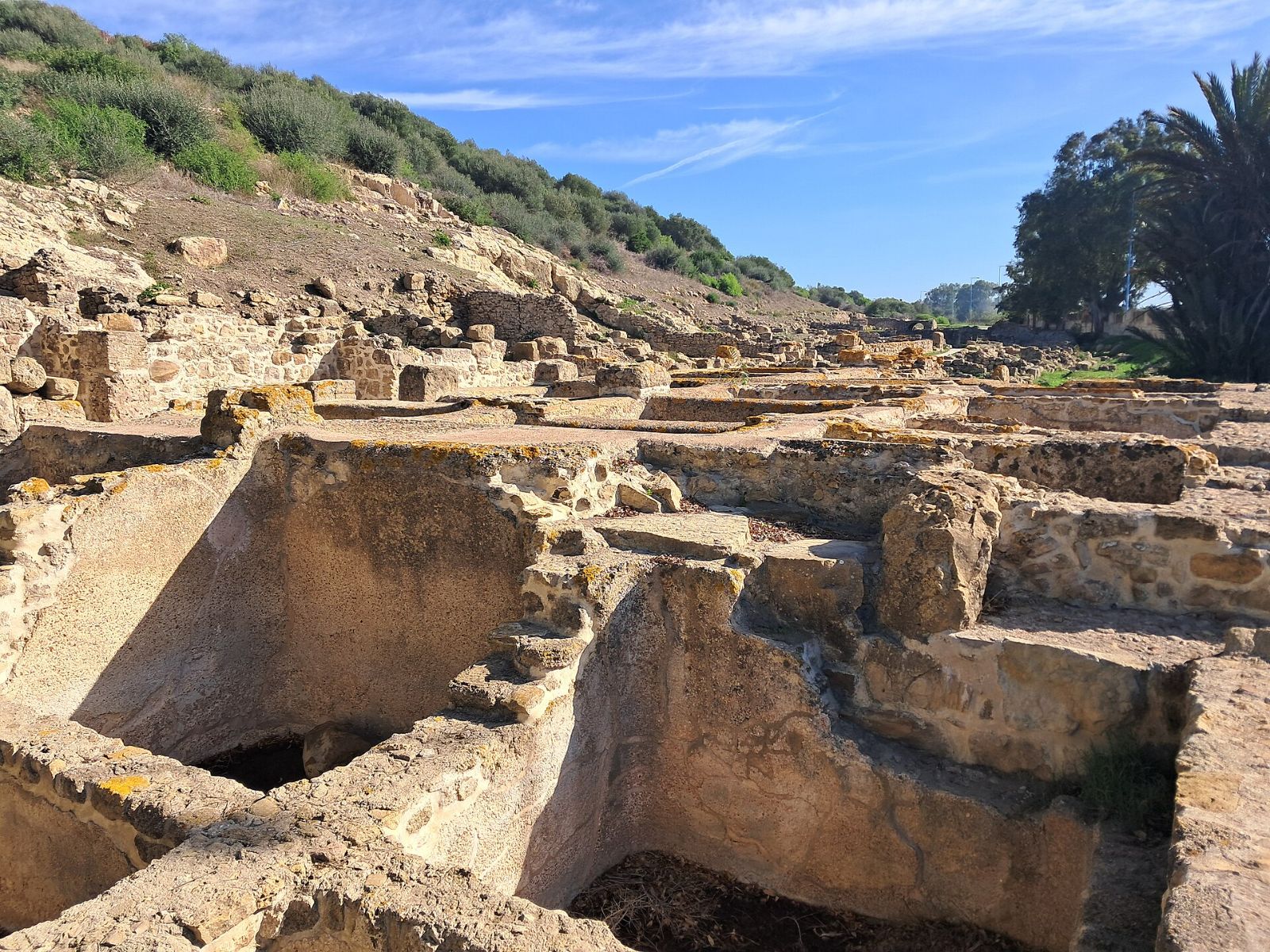
Below the hill, close to the river, about ten factories with some 150 vats salted fish and made fish sauce. Archaeologists date them from the 1st century BC, and they were enlarged under Rome. In the 4th century the city shrank behind a new wall, and the industry came to an end around 430.
A medieval town on the hill
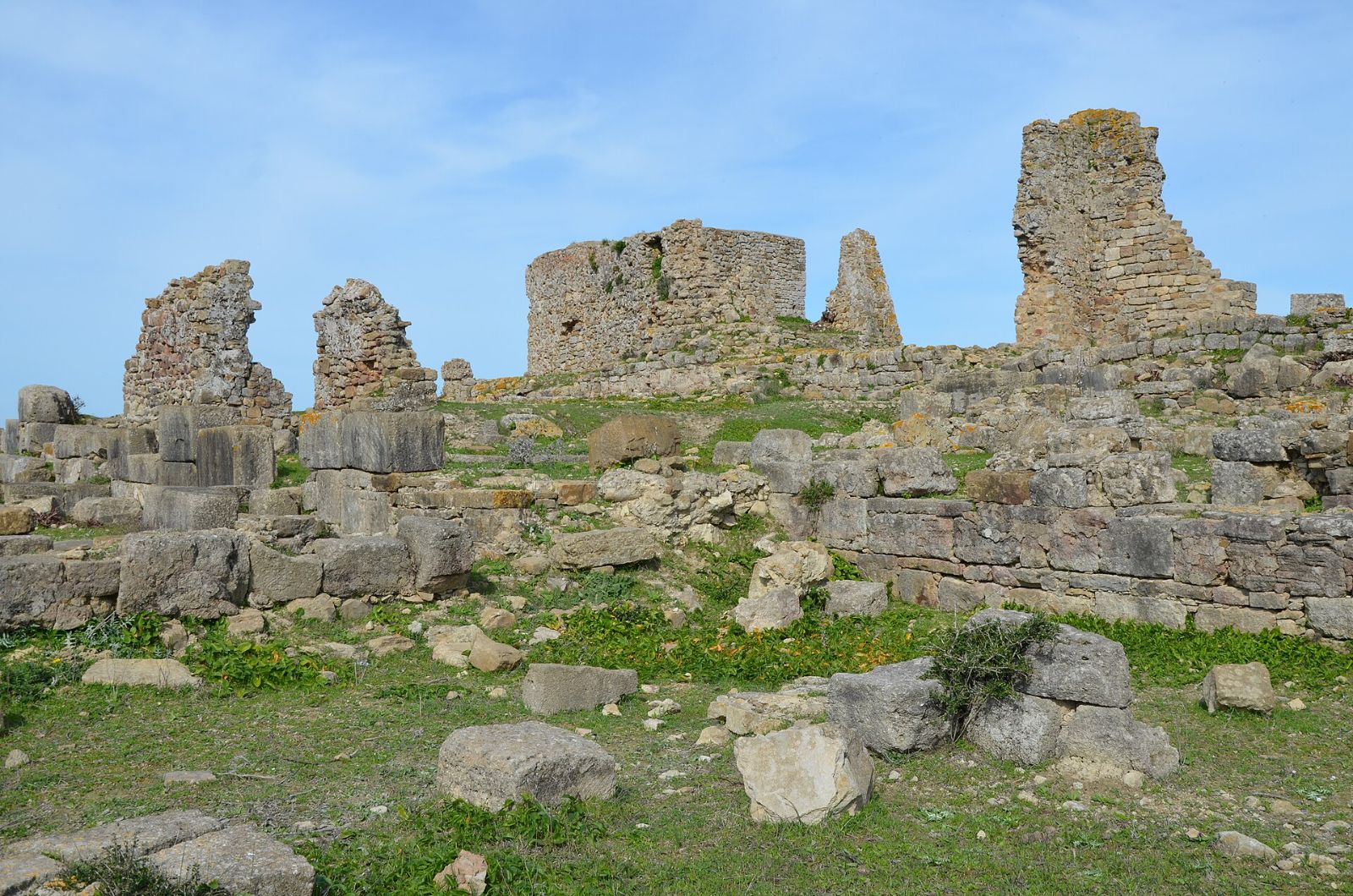
Lixus was still inhabited after the arrival of Islam. A mosque and baths stood near the top of the hill, and pottery found on the site dates from the 12th to the 14th centuries. The town was abandoned around the 14th century, as Larache grew on the other side of the river.