 Bookable
An Apollonaut travel guide
A river, a hill and a town.
An introduction to the Loukkos estuary and the places around Lixus, from its salt pans to the town across the river.
On this page
Read the landscape first
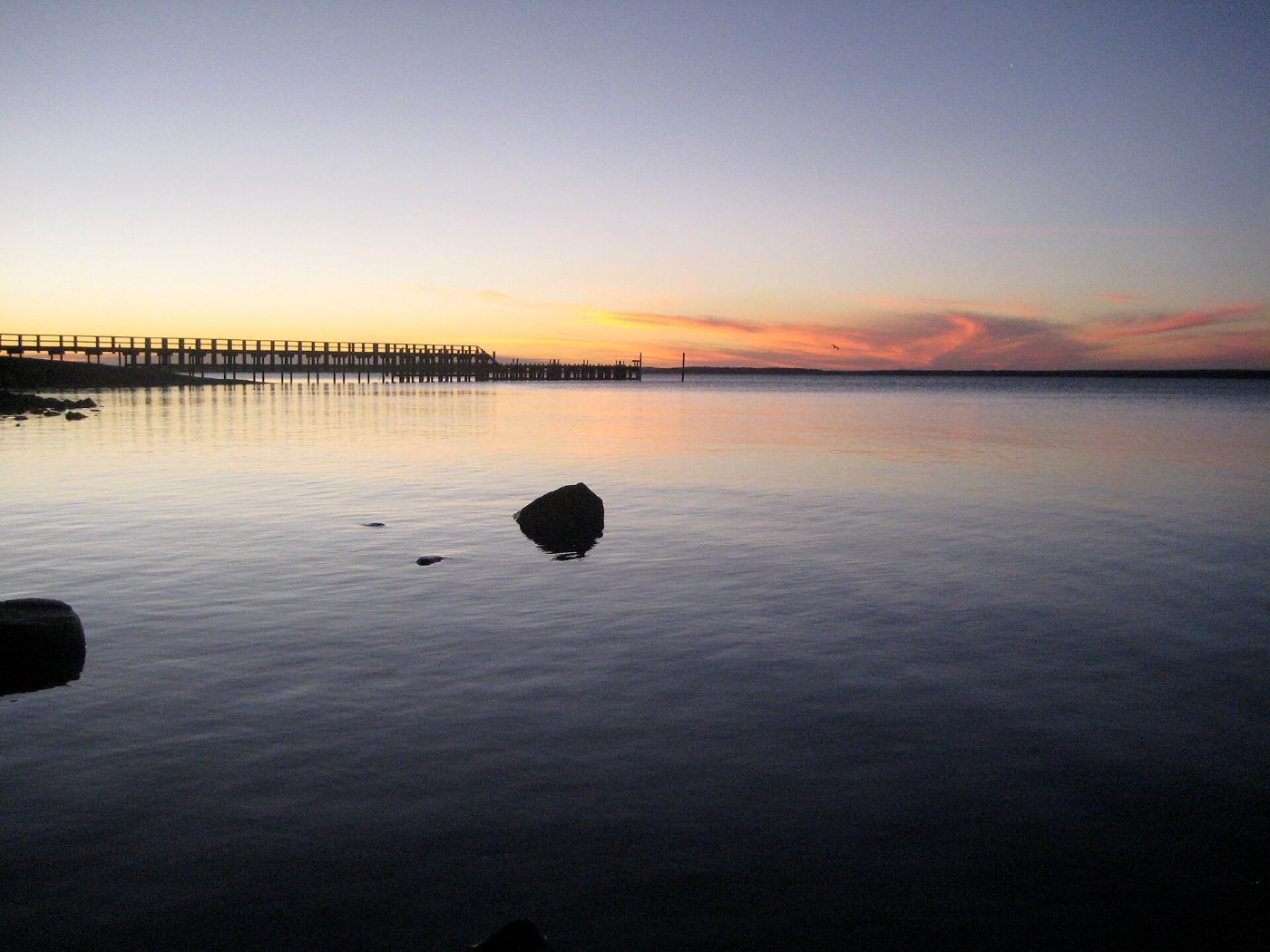
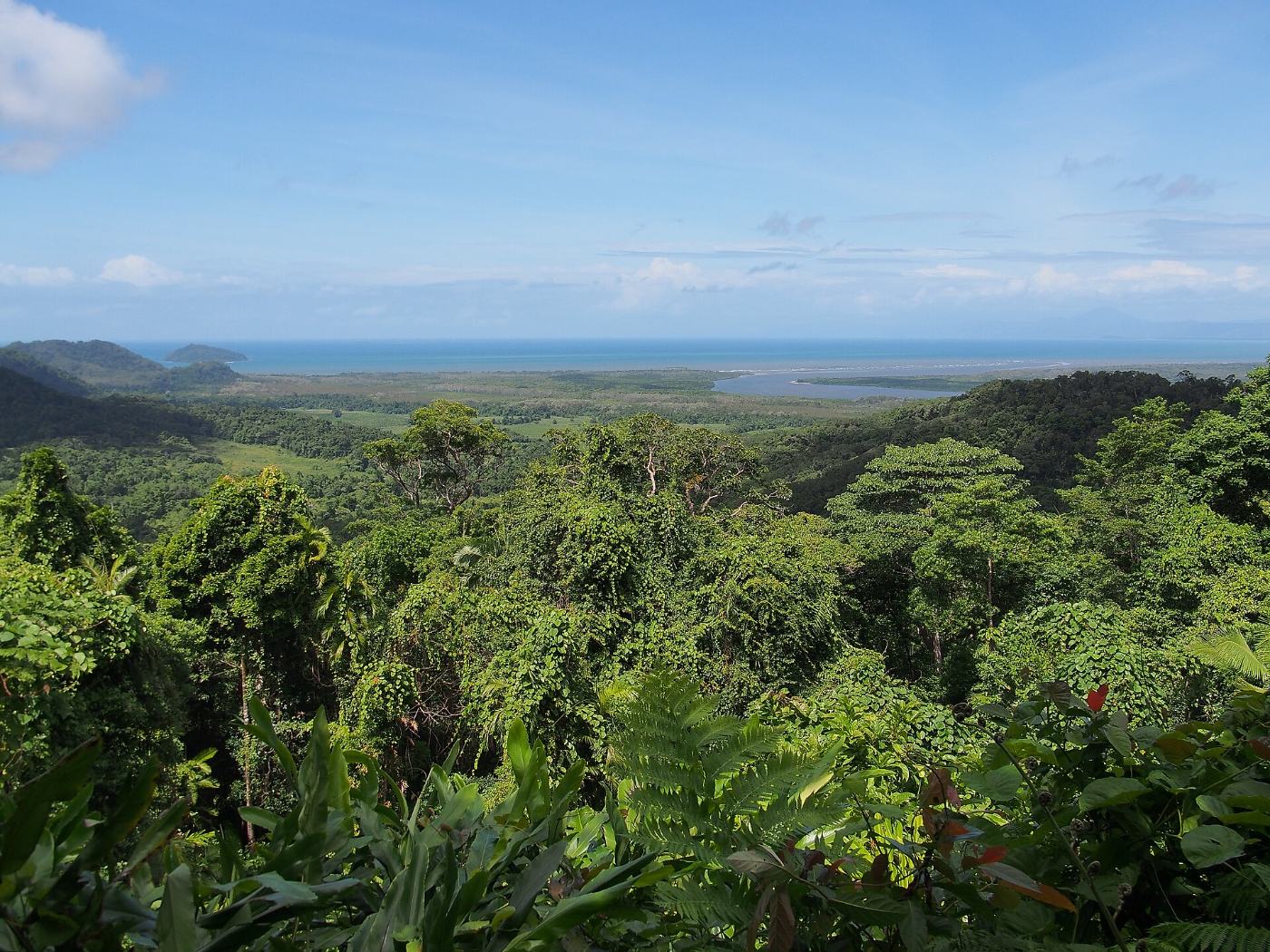
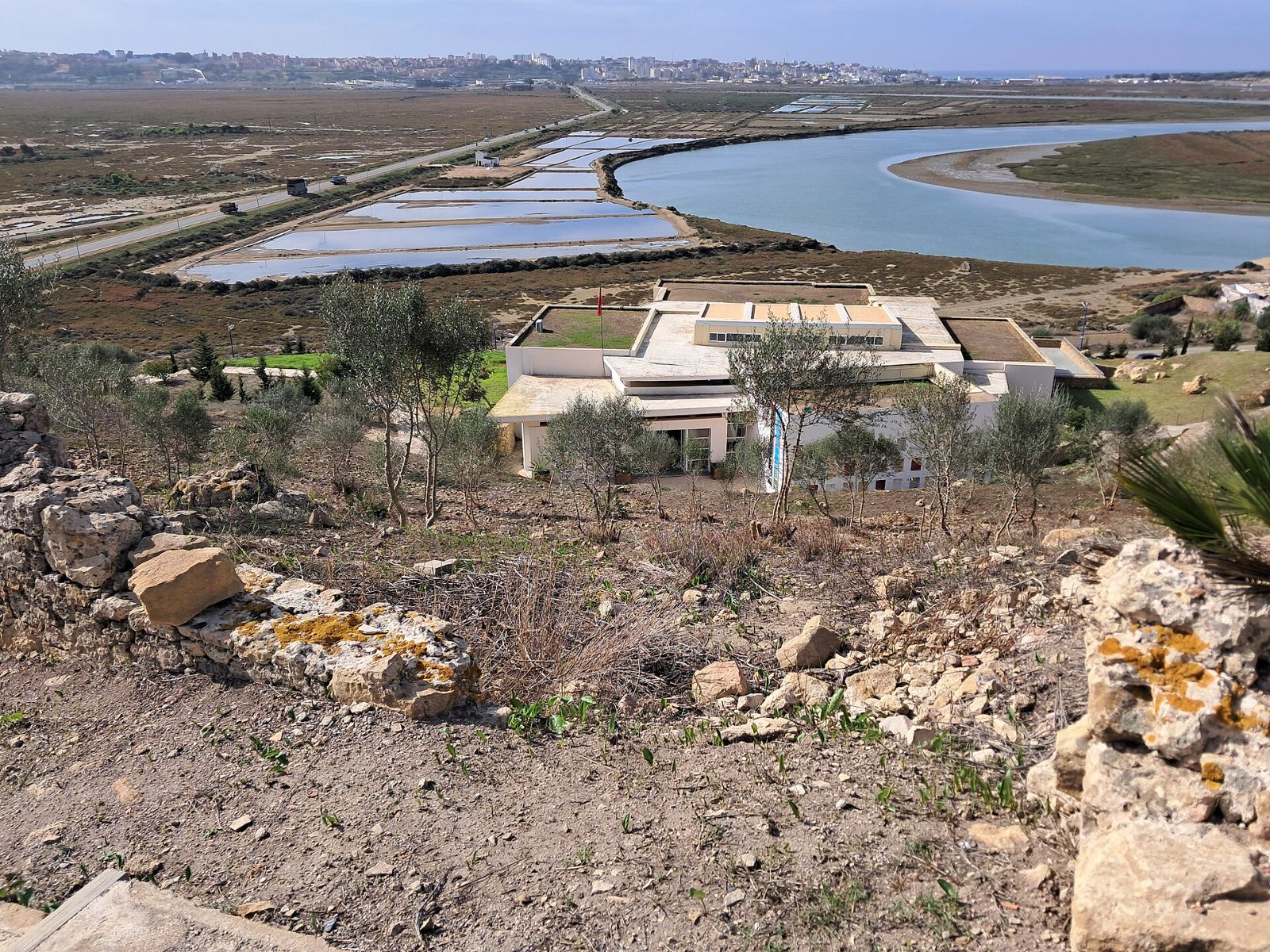
Larache stands on the south bank of the Loukkos, where the river meets the Atlantic, and Lixus faces it from its hill on the north bank. Between them, the river winds through a marshy plain with salt pans.
A city guide can give context without turning a neighbourhood into a backdrop. Notice how the hill commands the estuary, how the salting vats sit close to the water, and how the town moved across the river. Respect homes, working businesses and places of worship.
Stone, mortar and mosaic
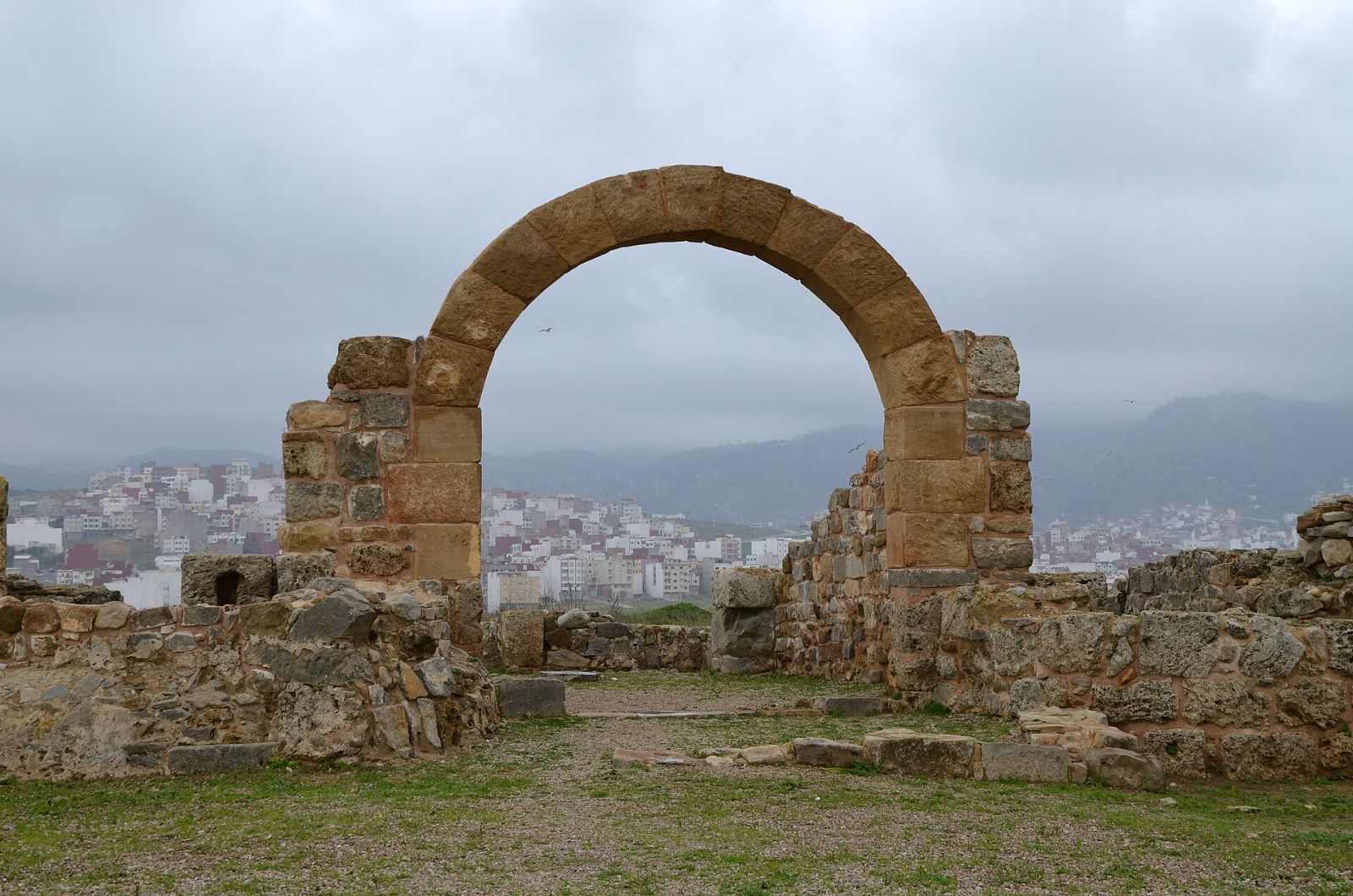
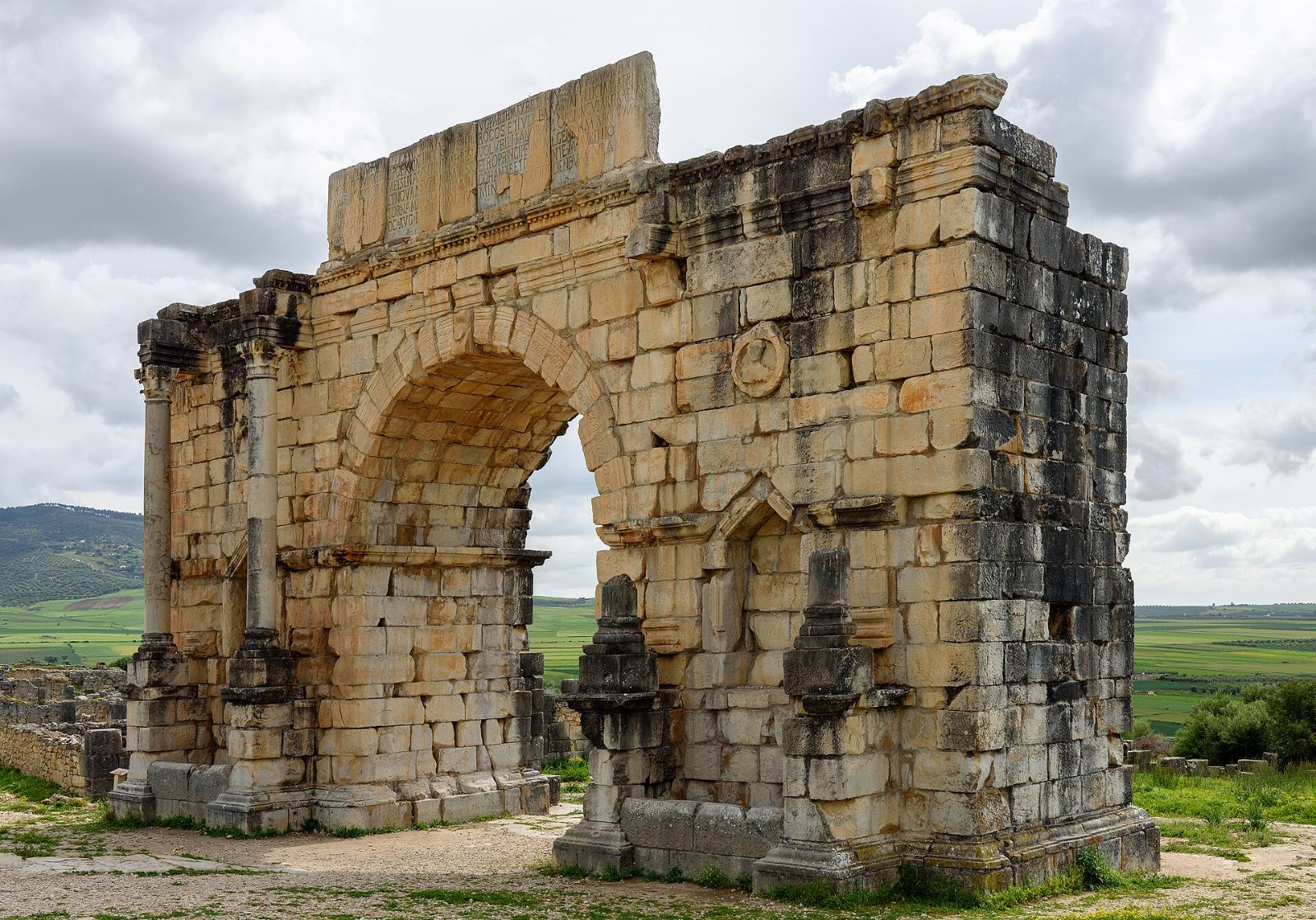
At Lixus, walls of cut and rough stone, cisterns, columns and mosaic floors show how the city was built and rebuilt over many centuries.
Begin with a material and ask how it was made, reused and repaired. A photograph alone cannot tell you who laid a mosaic or cut a column, or the conditions in which they worked.
A Lixus chapter
Lixus shows how a river shaped a city: a hill above an estuary, a port and salting factories by the water, and a later town on the other bank.
Look at the meeting of the two: a working waterfront below, and the temples and houses above it.
Make room for context
Pair this reading with the site’s history and the Journal. This is an introduction for visitors, not a claim that our team manages these places, commissions their restoration or represents their makers.
Read at the source
Sources & further reading
Links lead to the original publishers.