 Bookable
An Apollonaut travel guide
The place behind the detail.
A school founded in 1919, a building opposite a medina gate and a living collection of crafts offer several ways into the story of Dar Sanaa.
On this page
A school for the city’s crafts
Tétouan’s school of arts and crafts opened in 1919, during the Spanish protectorate, when the city was the capital of the Spanish zone of northern Morocco. Abdessalam Bennouna, the city’s muhtasib, who was responsible for its craft guilds, pressed for its creation; Morocco’s Ministry of Youth, Culture and Sports credits him and the painter Mariano Bertuchi with its foundation.
Its workshops brought together skilled artisans of northern Morocco to train new ones in ceramics, carpets, silverwork, leather, textiles, copperwork, ironwork, woodcarving and decorative painting.
A building opposite Bab el-Okla
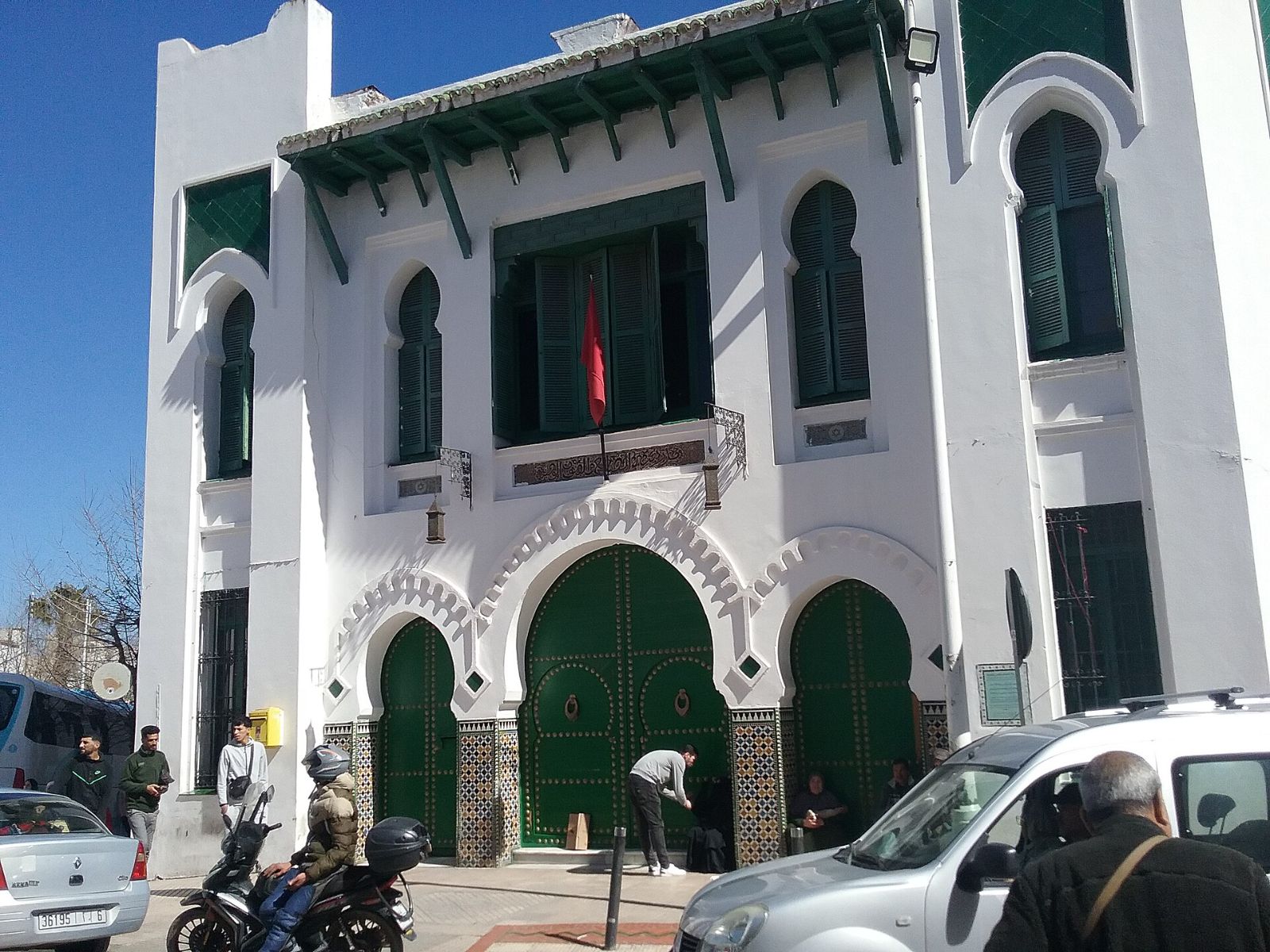
Since 1928 the school has occupied a purpose-built building outside the medina walls, opposite Bab el-Okla, one of the seven historic gates of the medina.
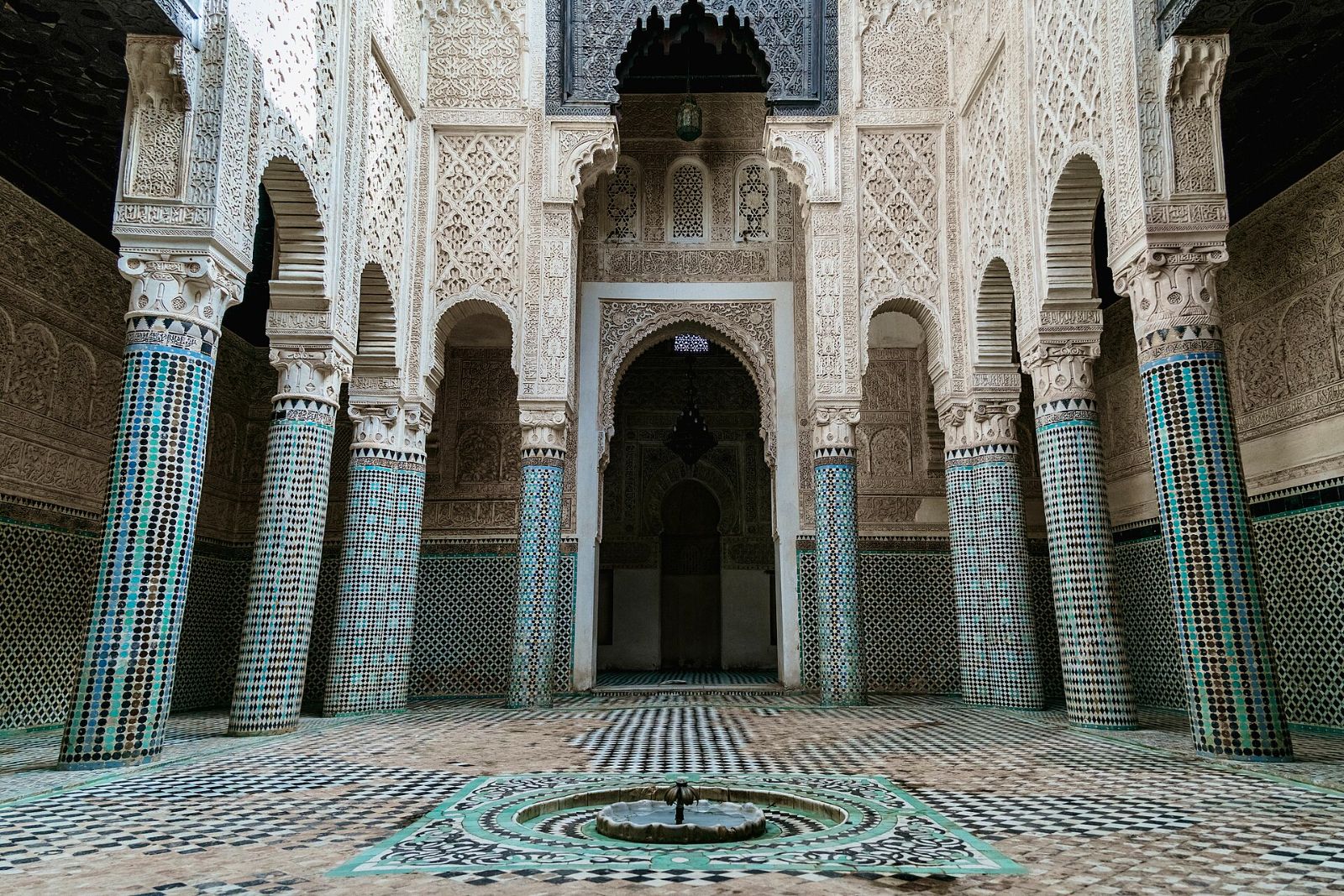
The ministry describes its architecture as Andalusian in style, reflecting a time when Moroccan, Spanish and Jewish craftsmen worked side by side.
A living museum
The National School of Arts and Crafts still trains students from Tétouan and the surrounding region, with particular attention to crafts at risk of disappearing. Its collection of craft objects and its heritage interpretation centre introduce the history and arts of the city.
This history belongs to the place and the people who shaped it. The History page offers a longer introduction, and the timeline gives a short route through selected milestones.
Read at the source
Sources & further reading
- Ministry of Youth, Culture and Sports: Tetouan National School of Arts and Crafts (checked 8 November 2026)
- Wikipedia (Spanish): Mariano Bertuchi (checked 8 November 2026)
- Wikipedia (Spanish): Abdeslam Bennuna (checked 8 November 2026)
Links lead to the original publishers.