 Bookable
Founded in 1919
Tétouan’s school of arts and crafts opened in 1919, during the Spanish protectorate. It was promoted by a Tétouan cultural society whose members included Moroccan and Spanish notables, and pressed forward by Abdessalam Bennouna, who as the city’s muhtasib was responsible for its craft guilds. Morocco’s Ministry of Youth, Culture and Sports credits Bennouna and the painter Mariano Bertuchi with its foundation.
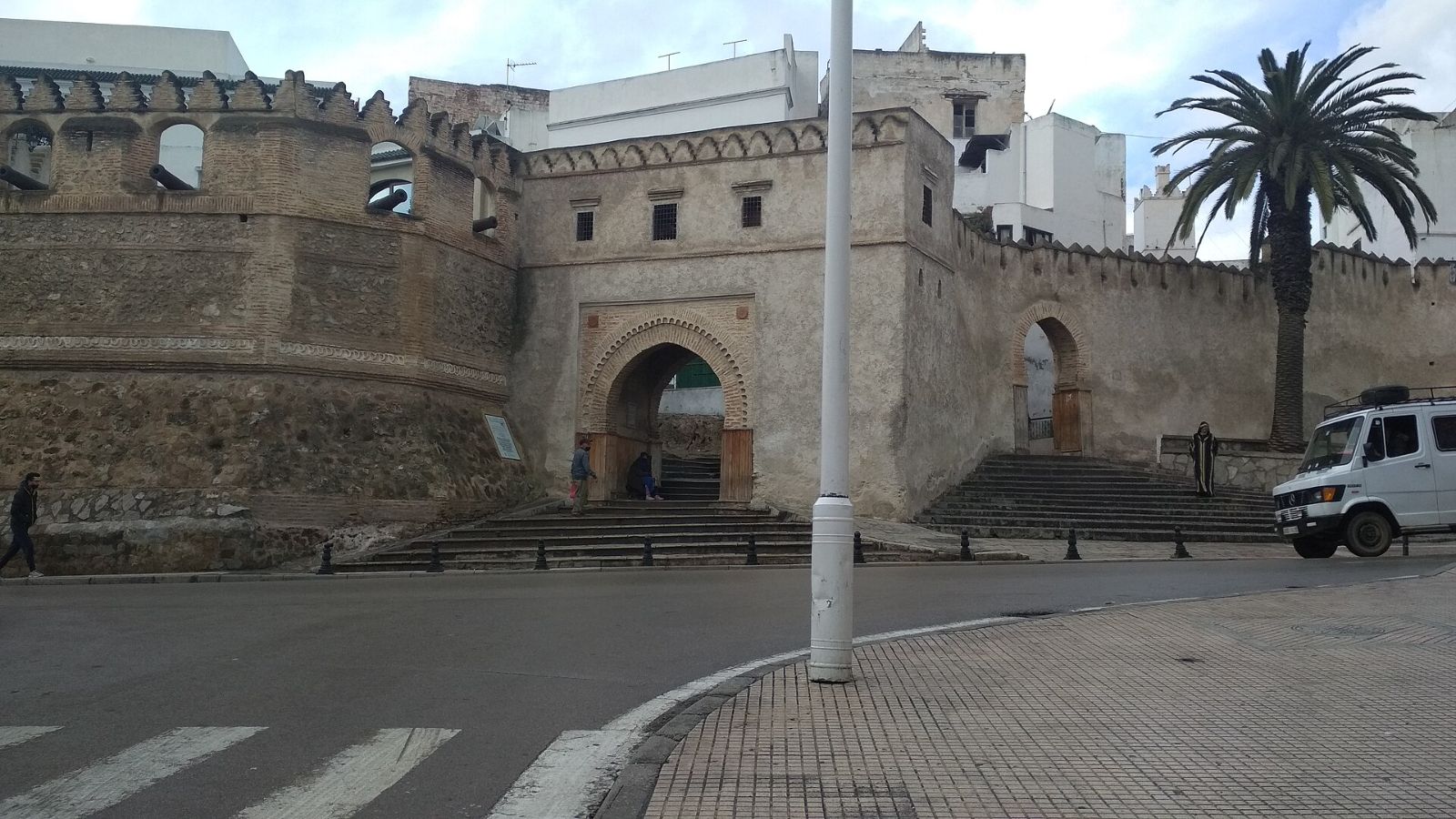
A building opposite Bab el-Okla
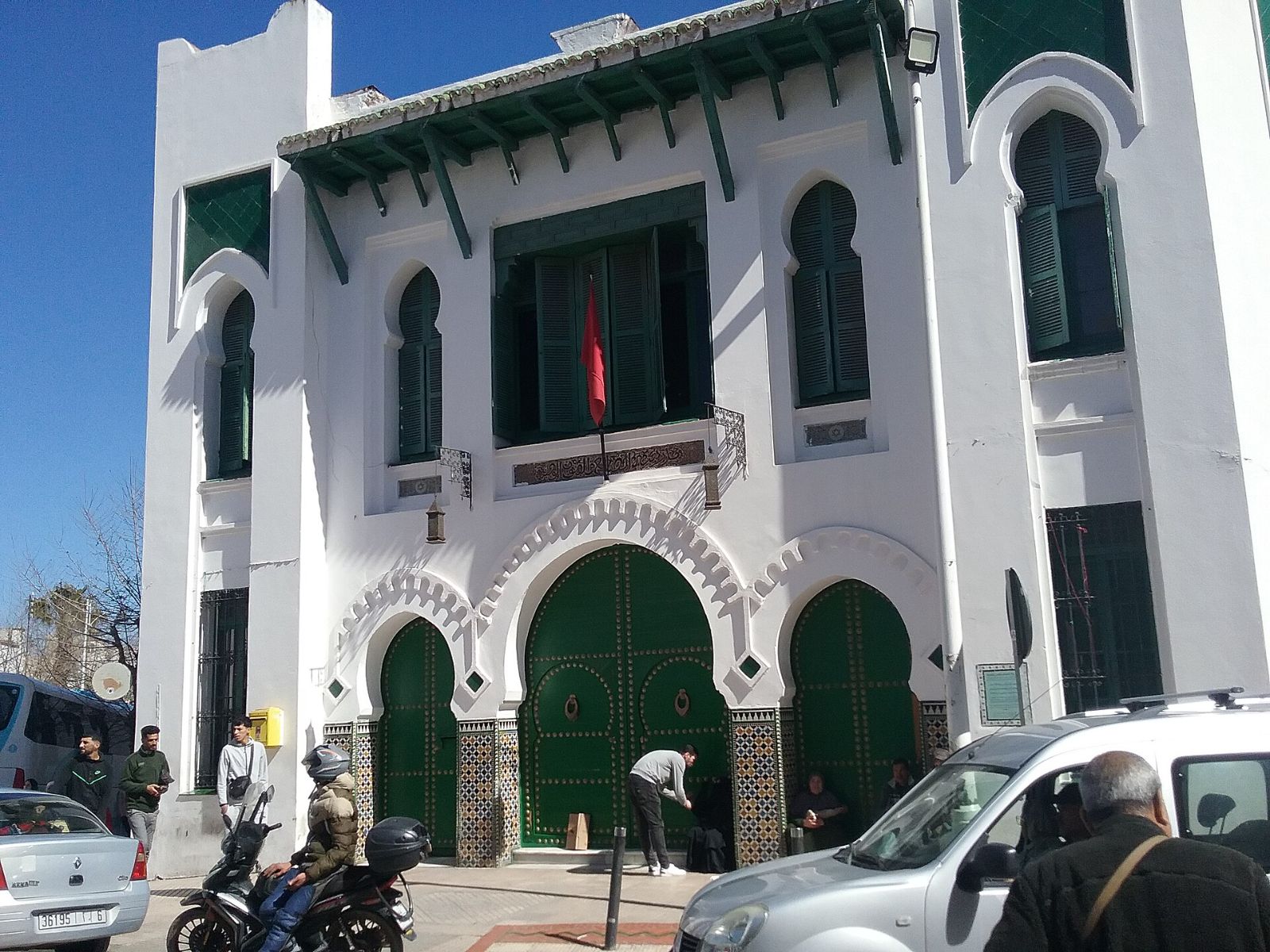
In 1928 the school moved into a newly built building just outside the medina walls, opposite Bab el-Okla, one of the seven historic gates of Tétouan’s medina. The ministry describes its architecture as Andalusian in style, recalling a time when Moroccan, Spanish and Jewish craftsmen worked side by side.
Bertuchi’s workshops
In 1930 Mariano Bertuchi, a painter from Granada, became the school’s director. Over the next five years he reorganised its teaching, replacing some workshops and opening others, and renamed it the School of Indigenous Arts; in 1947 it became the School of Moroccan Arts. Its pupils learned ceramics, carpet weaving, silverwork, leatherwork, textiles, copperwork, ironwork, woodcarving and decorative painting.
A living museum
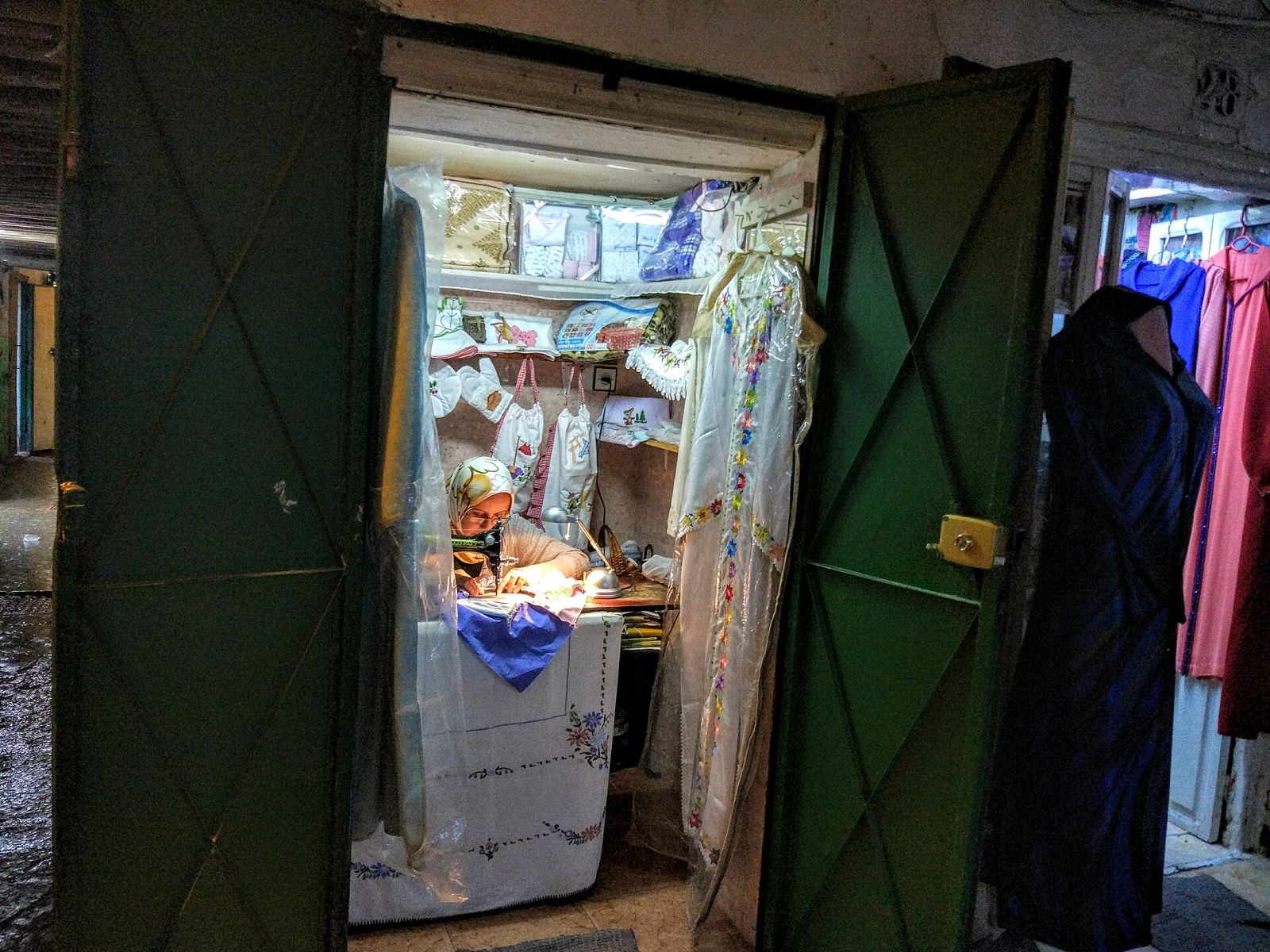
Today the National School of Arts and Crafts trains students from Tétouan and the surrounding region in traditional crafts, especially those at risk of disappearing. It also keeps a collection of craft objects and a heritage interpretation centre on the history and arts of the city, which is why the ministry calls it a living museum.