 Bookable
An Apollonaut travel guide
A city of white walls and fine craft.
An introduction to Tétouan’s medina and the crafts that shaped it, from its gates to its tiled fountains.
On this page
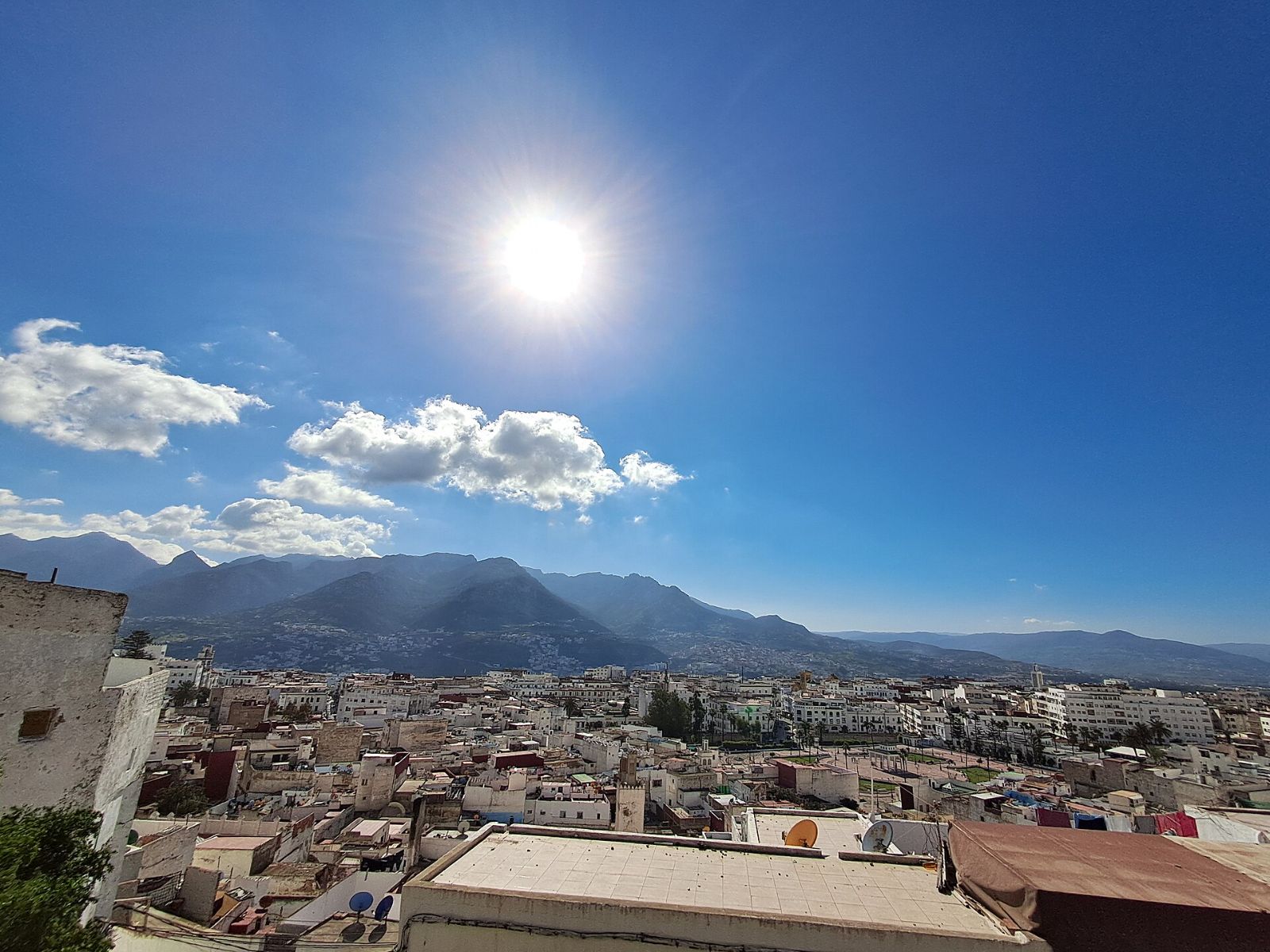
Read the city from its gates
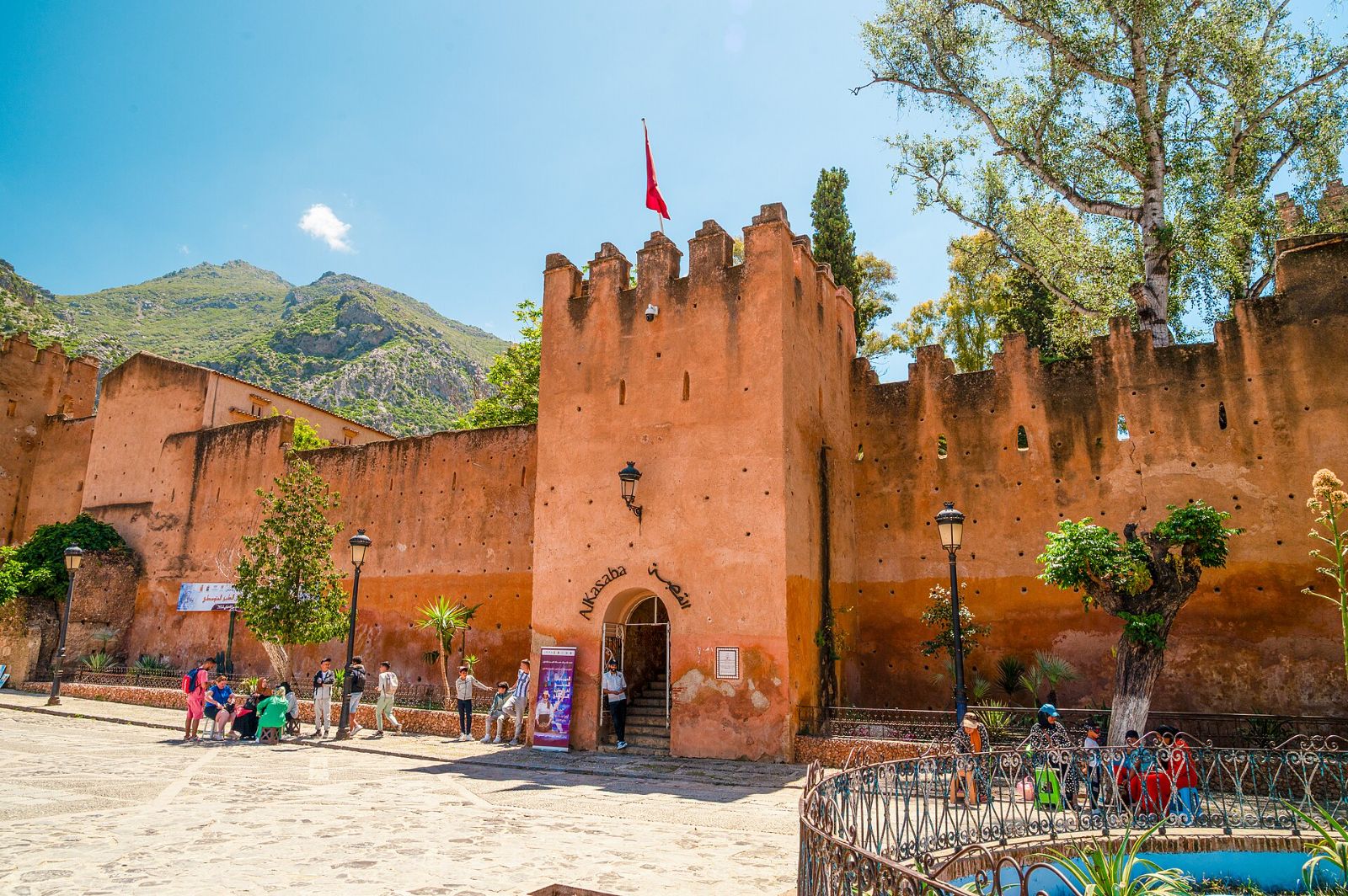
Tétouan was rebuilt at the end of the 15th century by refugees from al-Andalus, and its walled medina has been a UNESCO World Heritage site since 1997. Its seven gates were closed at night until the early 20th century.
A city guide can give context without turning a neighbourhood into a backdrop. Notice how a gate turns a street, how a fountain is set into a wall, or how workshops of one trade gather in the same quarter. Respect homes, working businesses and places of worship.
Tile, plaster and painted wood
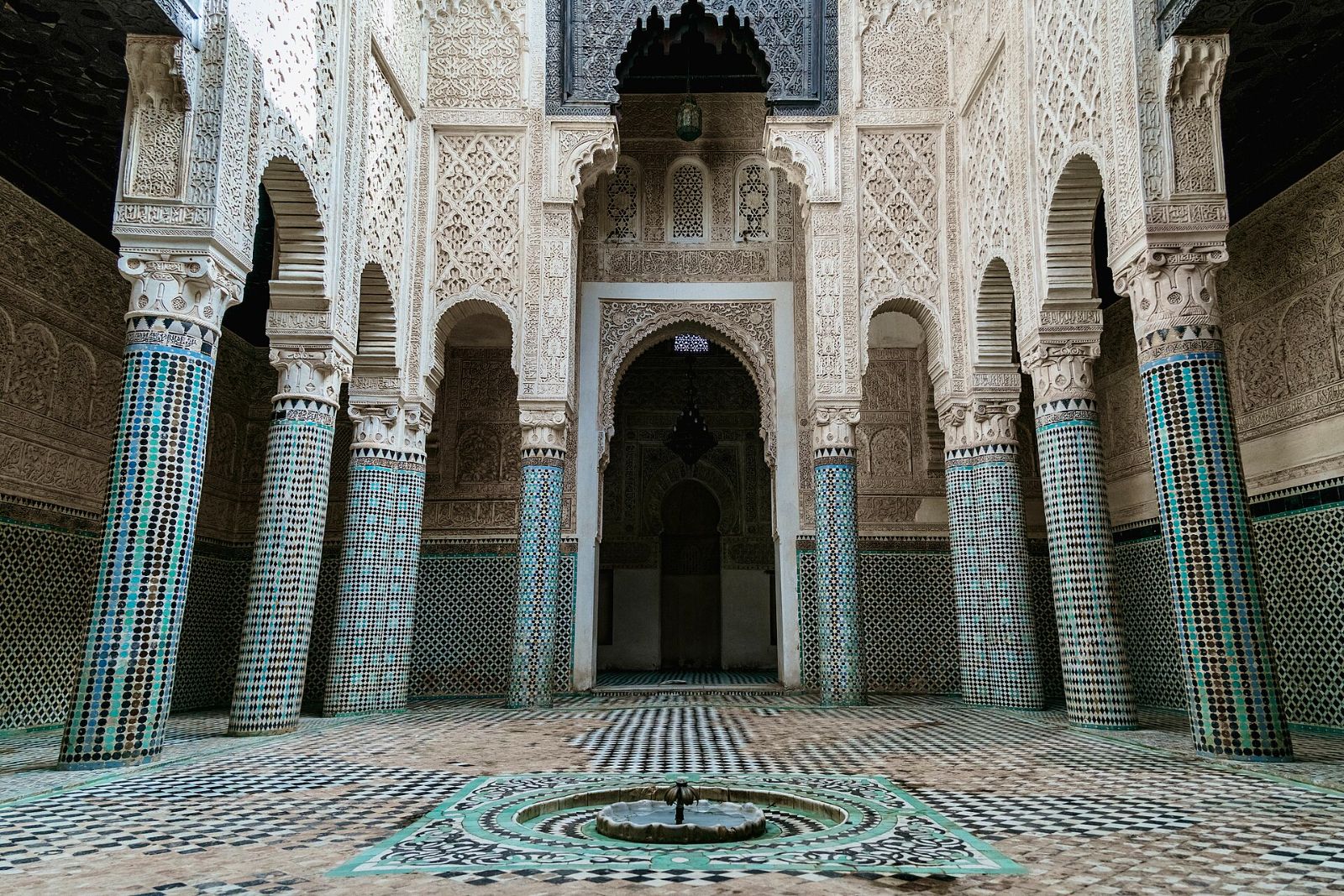
Tétouan is known for zellige tilework, carved plaster, embroidery and silver-wire inlay. In many old houses, tilework covers floors, pillars and the lower walls, and ceilings are carved and painted.
Begin with a material and ask how it was made, repaired and maintained. A photograph alone cannot tell you who cut a tile or carved a band of plaster, or the conditions in which they worked.
A Dar Sanaa chapter
Dar Sanaa shows how the city set out to protect its crafts: a school founded in 1919 to train new artisans, in a building facing one of the medina’s gates.
Look at the meeting of the two: the old walls and gate on one side of the street, and on the other a school built to keep their crafts alive.
Make room for context
Pair this city reading with the school’s history and the Journal. This is an introduction for visitors, not a claim that our team manages these places, commissions their restoration or represents their makers.
Read at the source
Sources & further reading
- Wikipedia: Tétouan (checked 8 November 2026)
- UNESCO: Medina of Tétouan (formerly known as Titawin) (checked 8 November 2026)
Links lead to the original publishers.