 Bookable
An Apollonaut travel guide
The place behind the detail.
Victorian and Romanesque buildings, habitat dioramas and a glass cube for space offer several ways into the story of the museum.
On this page
Buildings across a century
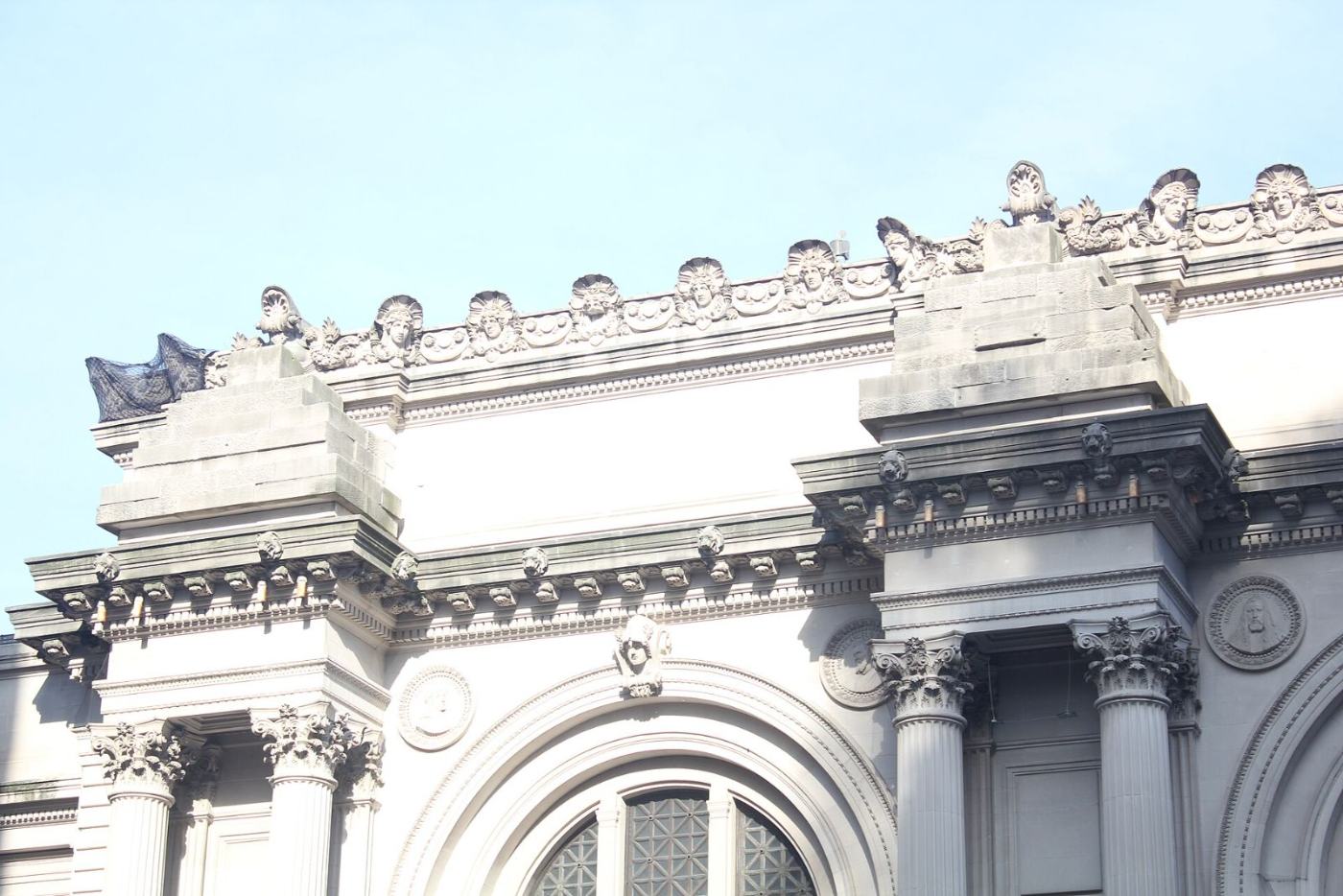
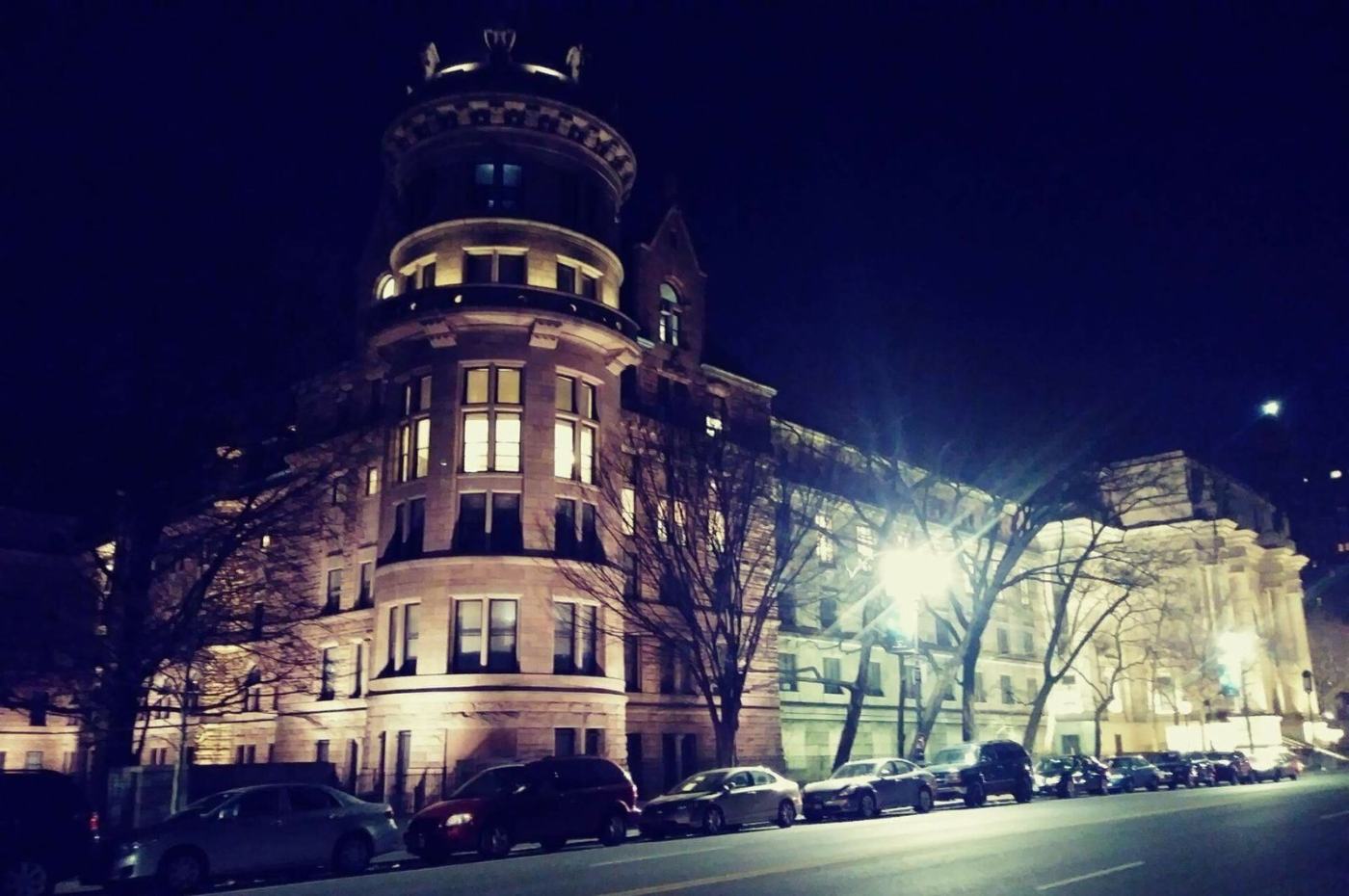
The first building on Manhattan Square, in the Victorian Gothic style by Calvert Vaux and J. Wrey Mould, opened in 1877. J. Cleaveland Cady’s brownstone neo-Romanesque wings followed along West 77th Street, with corner towers 150 feet tall.
The main entrance hall on Central Park West, the New York State Memorial to Theodore Roosevelt, was completed by John Russell Pope in 1936.
Collections and halls
The museum’s collections contain about 32 million specimens and artefacts, of which only a small fraction can be shown at any one time, in 45 permanent exhibition halls.
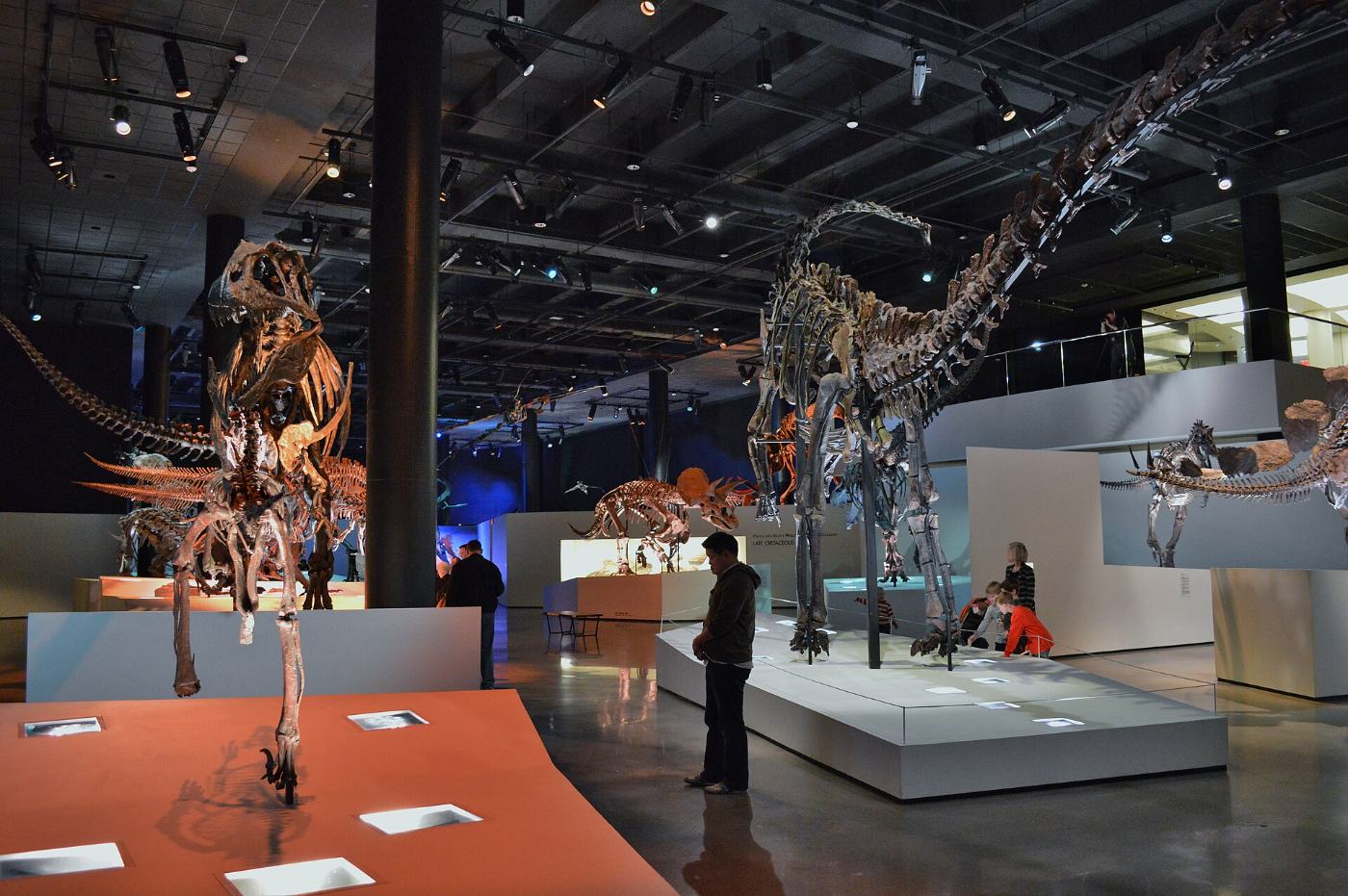
Habitat dioramas, fossil halls and halls of human cultures sit side by side, from the Northwest Coast Hall of 1899 to the Gilder Center of 2023.
A cube for the cosmos
The Hayden Planetarium opened in 1935. Its successor, the Rose Center for Earth and Space, was completed in 2000, with an 87-foot sphere inside a six-storey glass cube.
This history belongs to the place and the people who shaped it. The History page offers a longer introduction, and the timeline gives a short route through selected milestones.
Read at the source
Sources & further reading
Links lead to the original publishers.