 Bookable
A town on the river
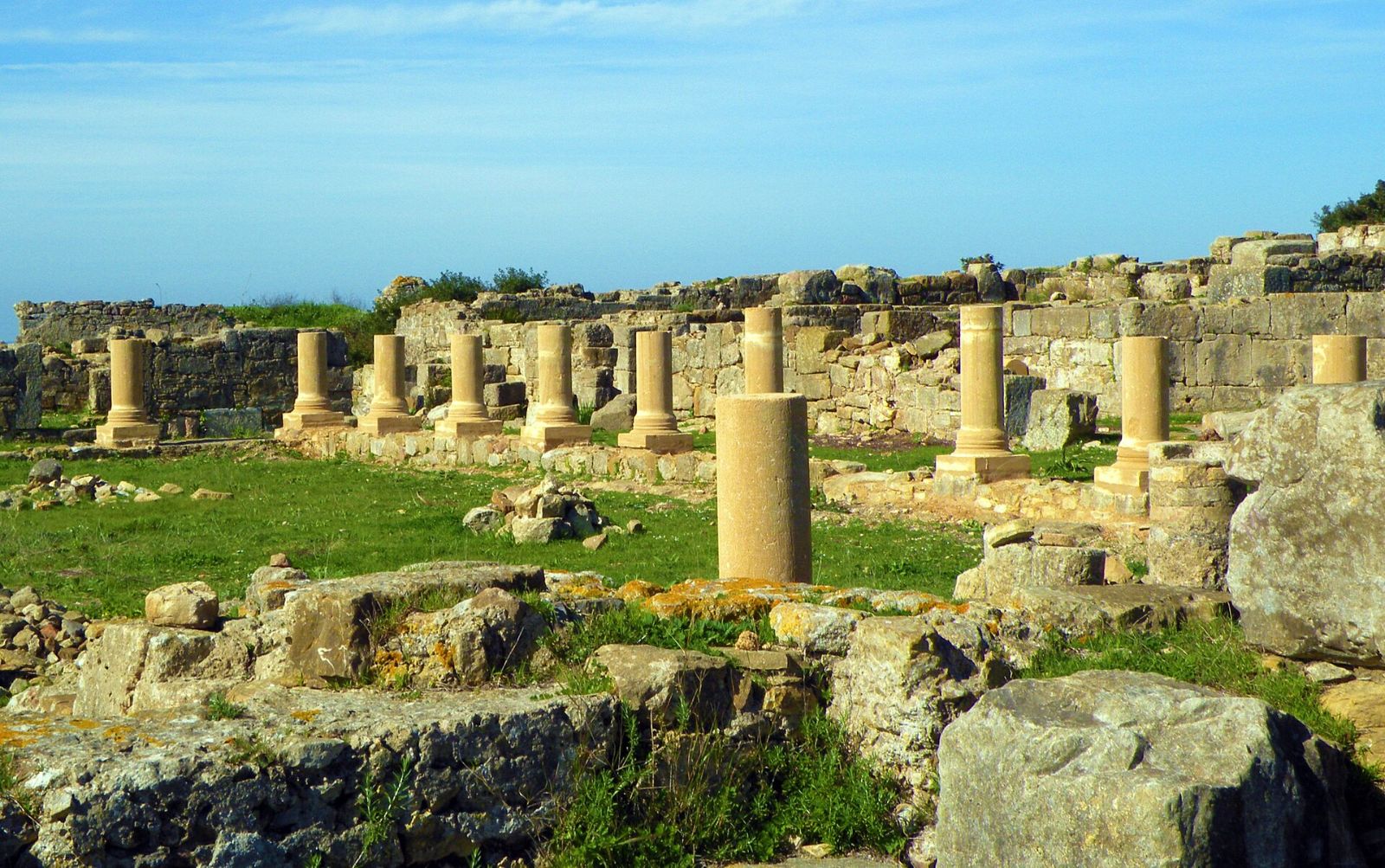
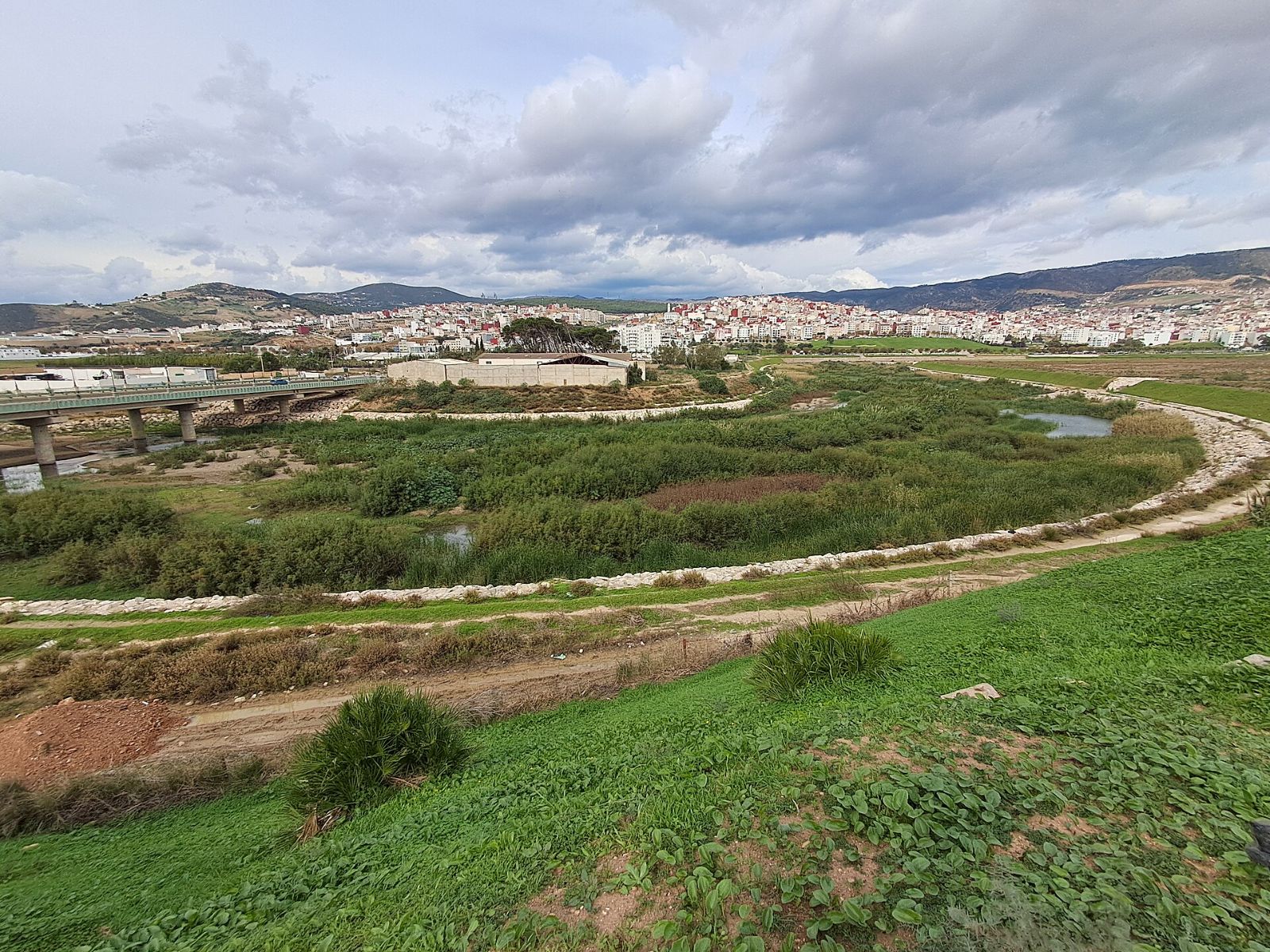
Tamuda was founded in the 3rd century BC on the right bank of the river now called the Martil, about 5 km south-west of present-day Tétouan. Its houses were laid out on a regular grid, and by the 2nd century BC it was a prosperous town trading across the Mediterranean. In the 1st century BC it struck its own coins.
Destroyed and rebuilt
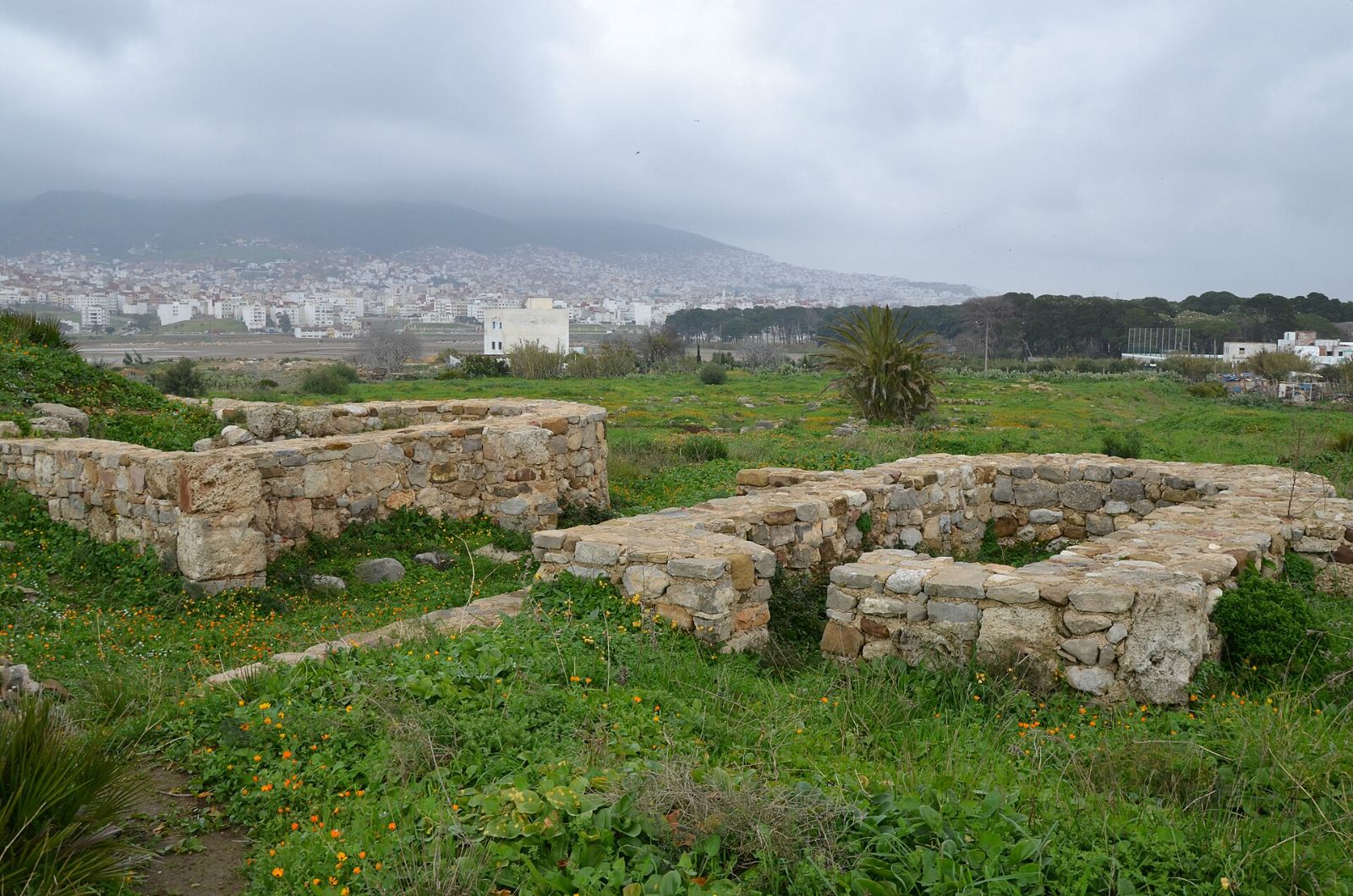
After the last Mauretanian king, Ptolemy, was killed on the orders of the emperor Caligula in AD 40, revolts broke out across his kingdom, and Tamuda was largely destroyed. The Roman army later built a military camp on the ruins of the town.
A fort in the Martil valley
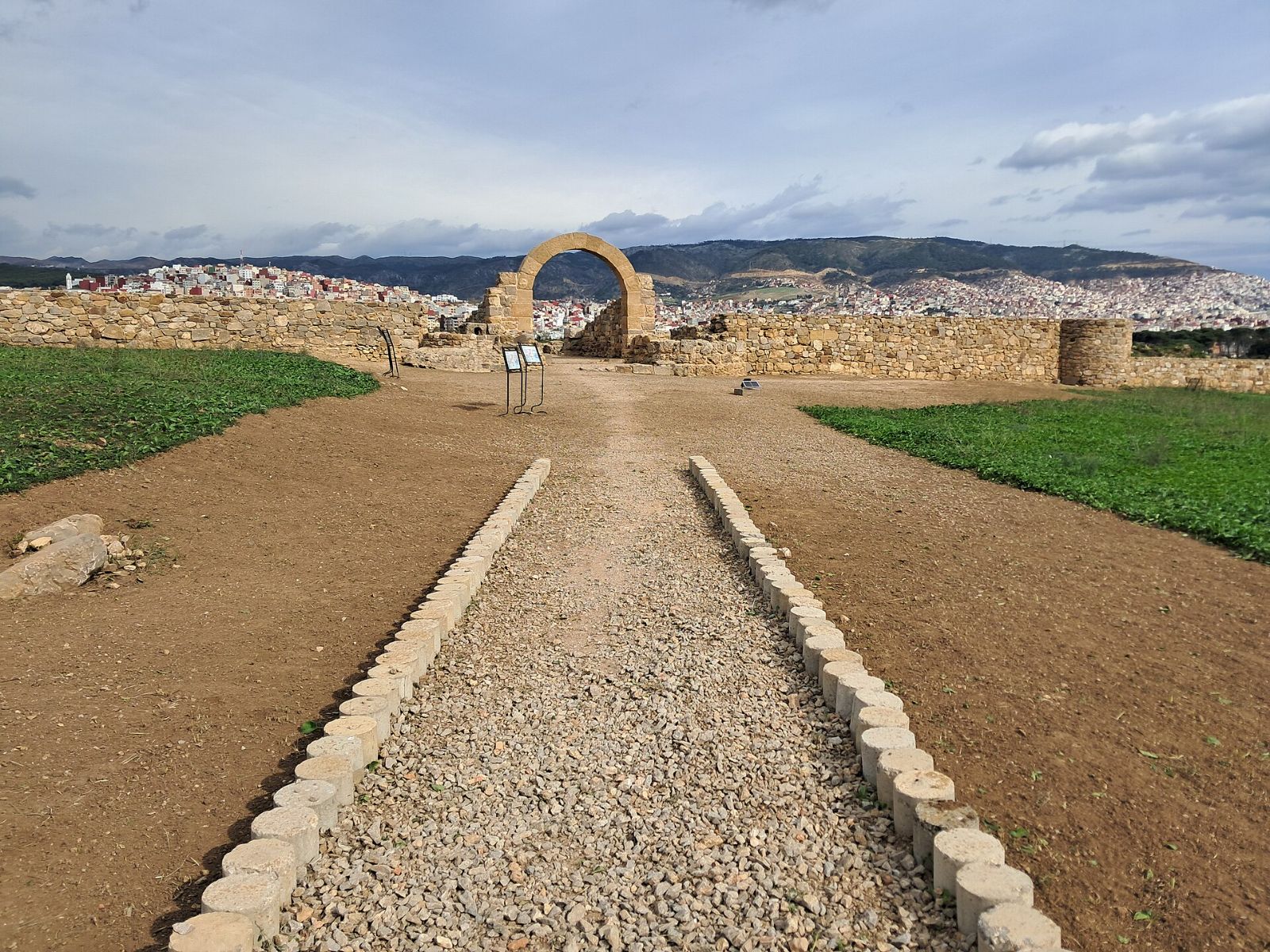
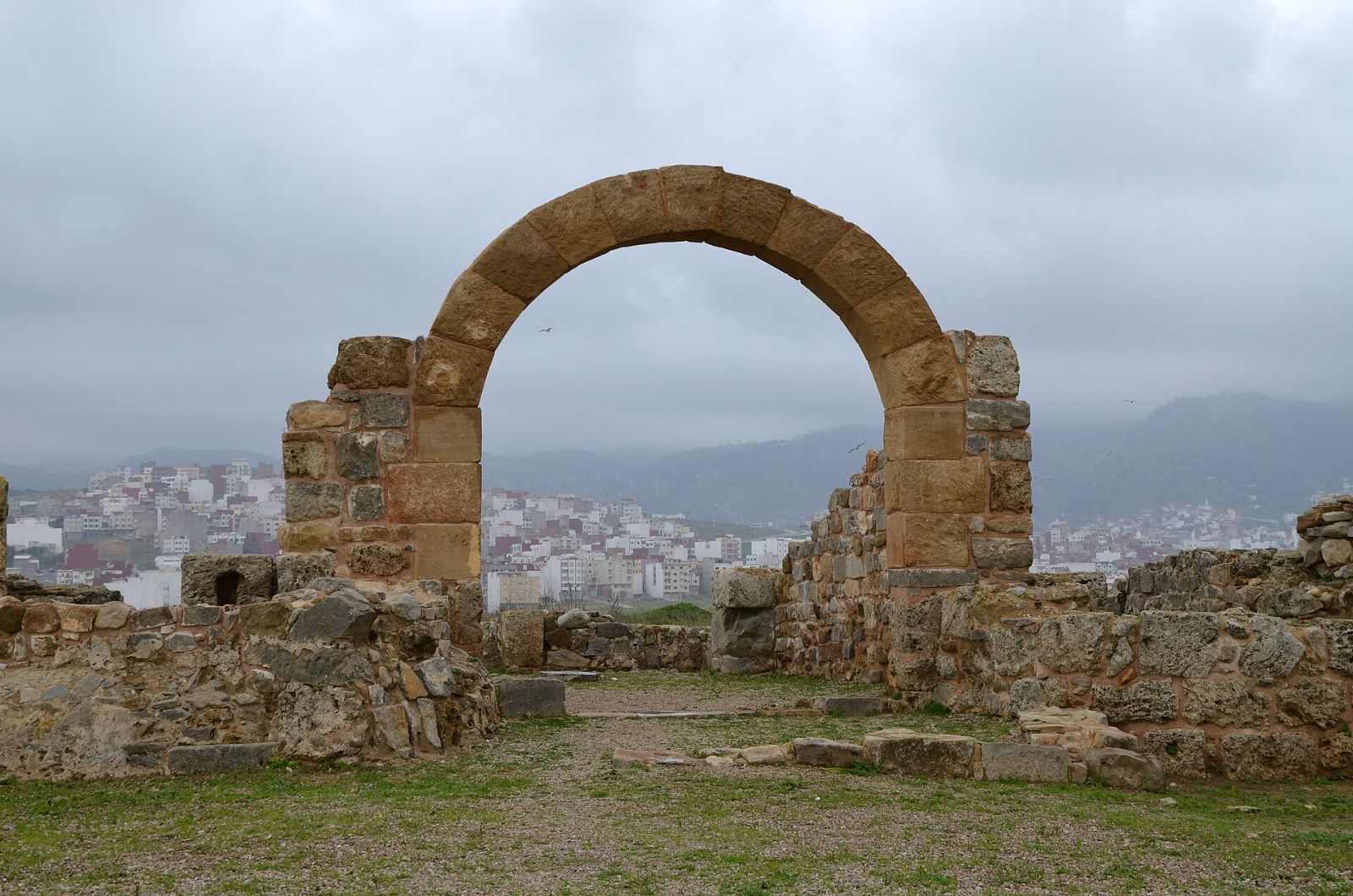
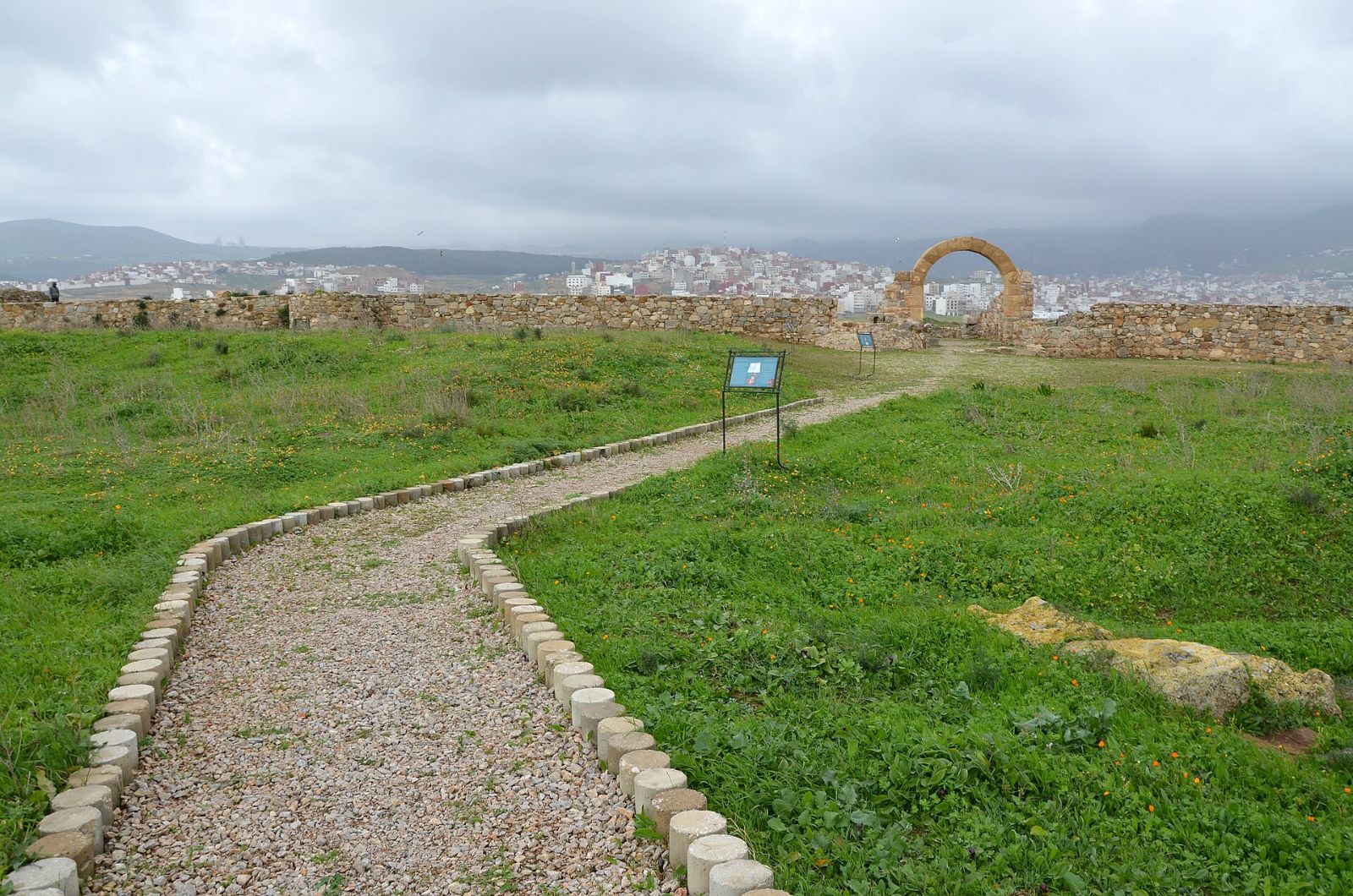
The camp was roughly square, with a gate on each side and towers at its corners and beside its gates. It was strengthened with semicircular towers at the end of the 3rd century AD, and a late Roman list of military units places a cavalry unit, the Ala Herculea, here at the end of the 4th century. The camp stayed in use until the 5th century AD.
Found again in 1921
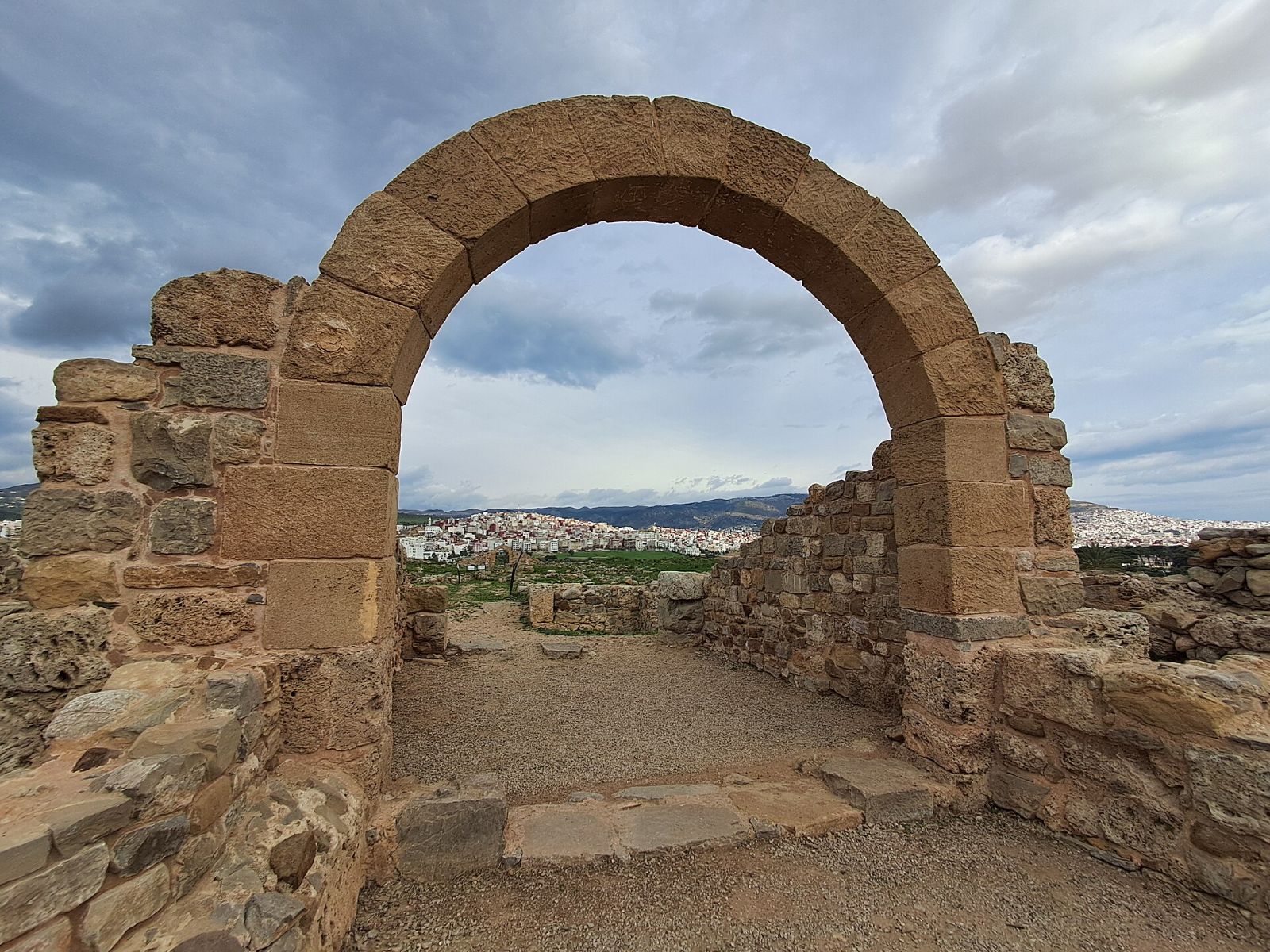
A Spanish researcher identified the site in 1921, and Moroccan and Spanish archaeologists have excavated it since. Morocco’s Ministry of Culture listed Tamuda as national heritage in 2005, added a visitor circuit, and opened the restored site to the public in January 2013.