 Bookable
An Apollonaut travel guide
A white city and its valley.
An introduction to Tétouan and the Martil valley around Tamuda, from Roman stone to the whitewashed medina.
On this page
Read the city from its valley
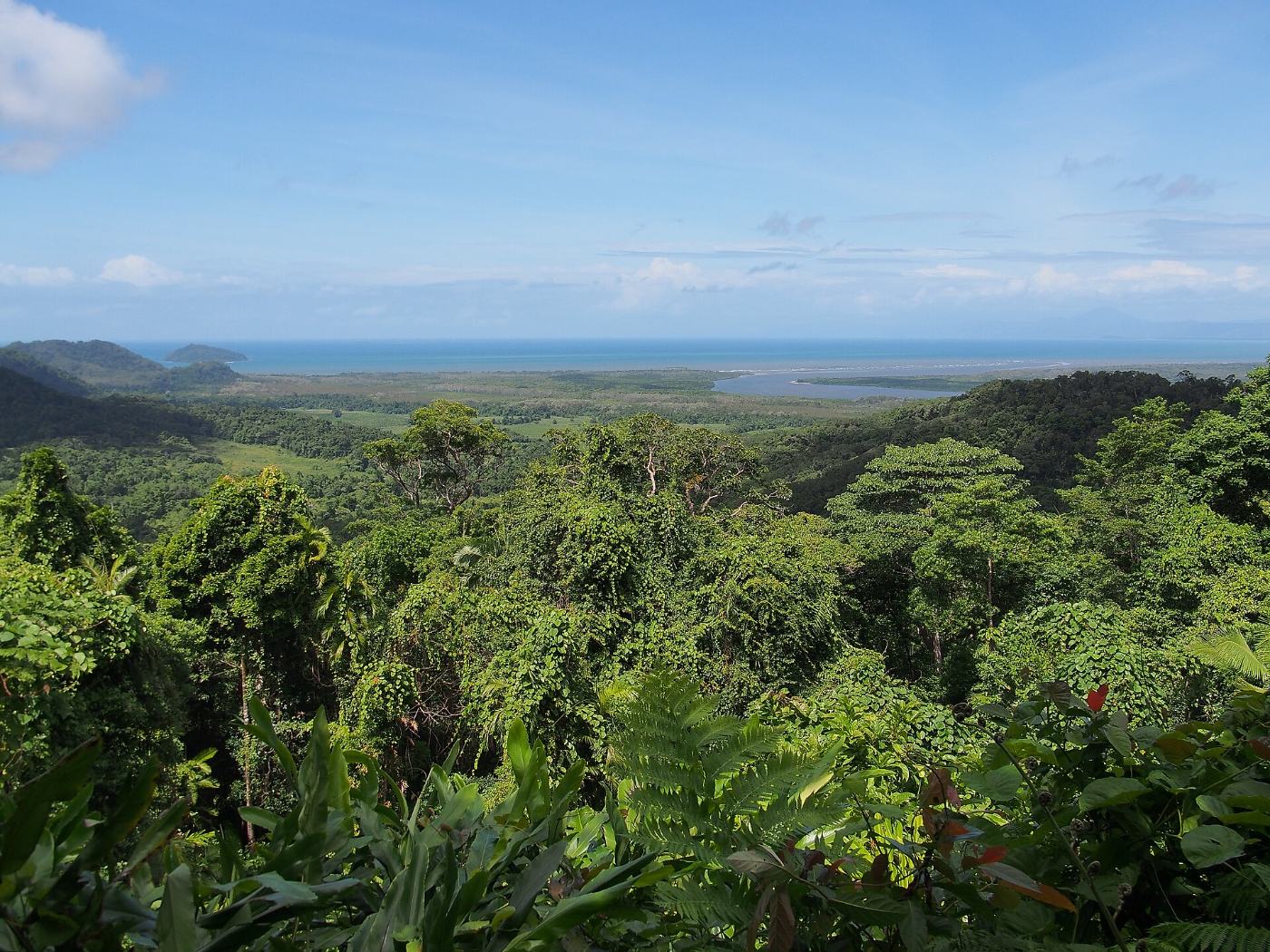
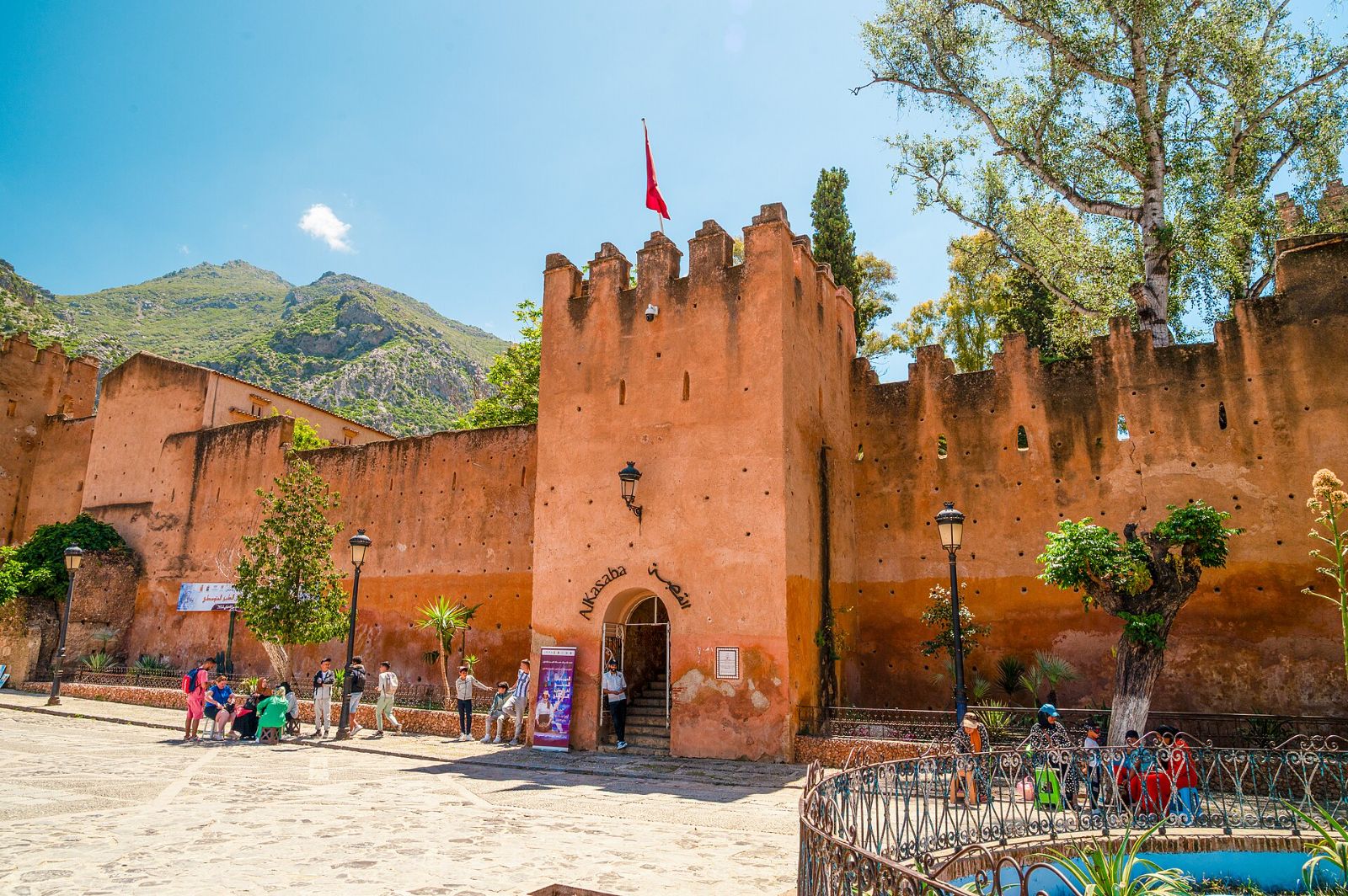
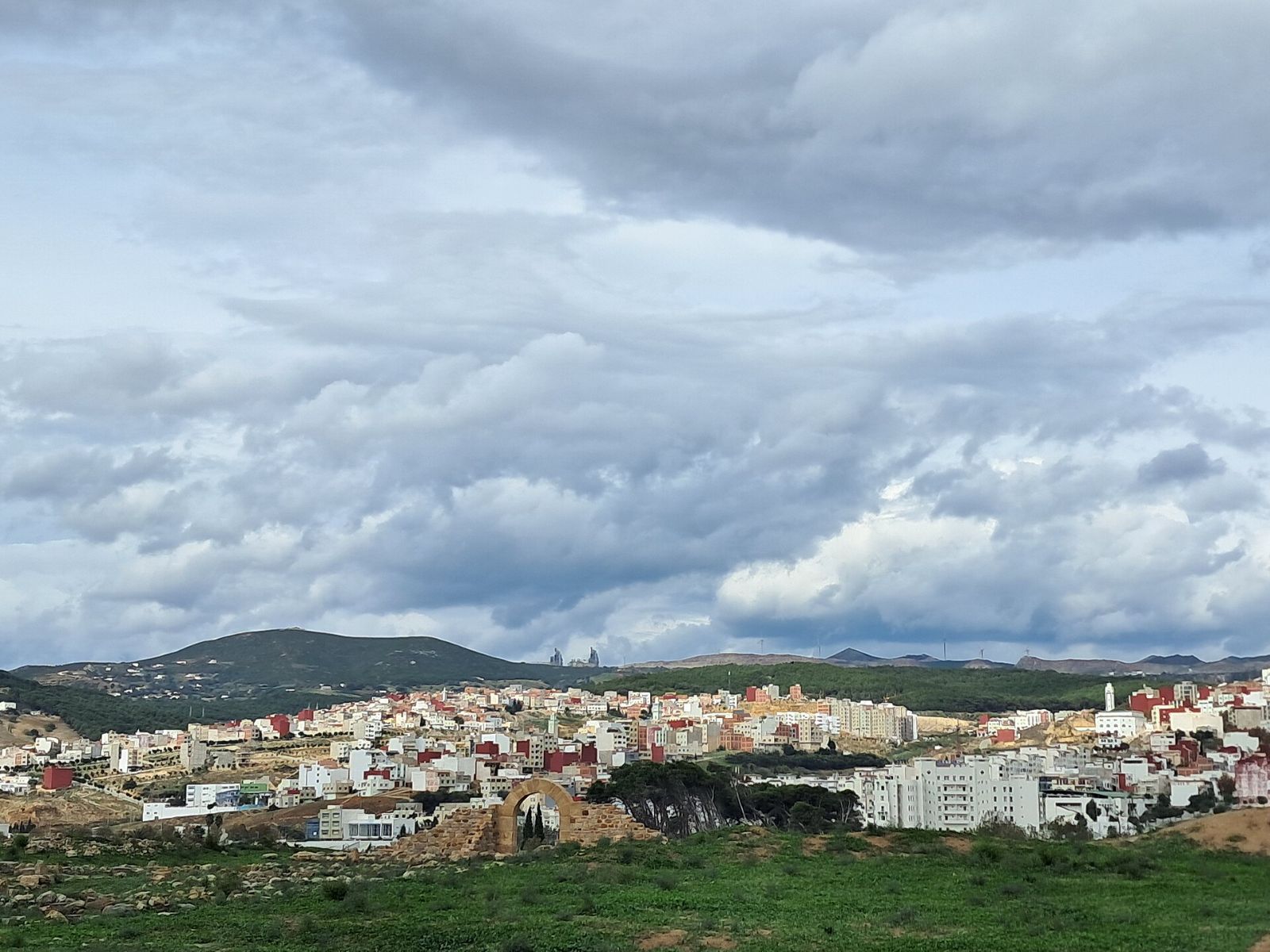
Tétouan lies in the Martil valley, close to the Rif mountains, with Tamuda a few kilometres away on the right bank of the river. Its medina, rebuilt in the late 15th century by refugees from al-Andalus, has been a World Heritage site since 1997.
A city guide can give context without turning a neighbourhood into a backdrop. Notice how the camp sits in the valley floor, how its gates face the four directions, and how the city climbs the hillside across the fields. Respect homes, working businesses and places of worship.
Stone, brick and whitewash
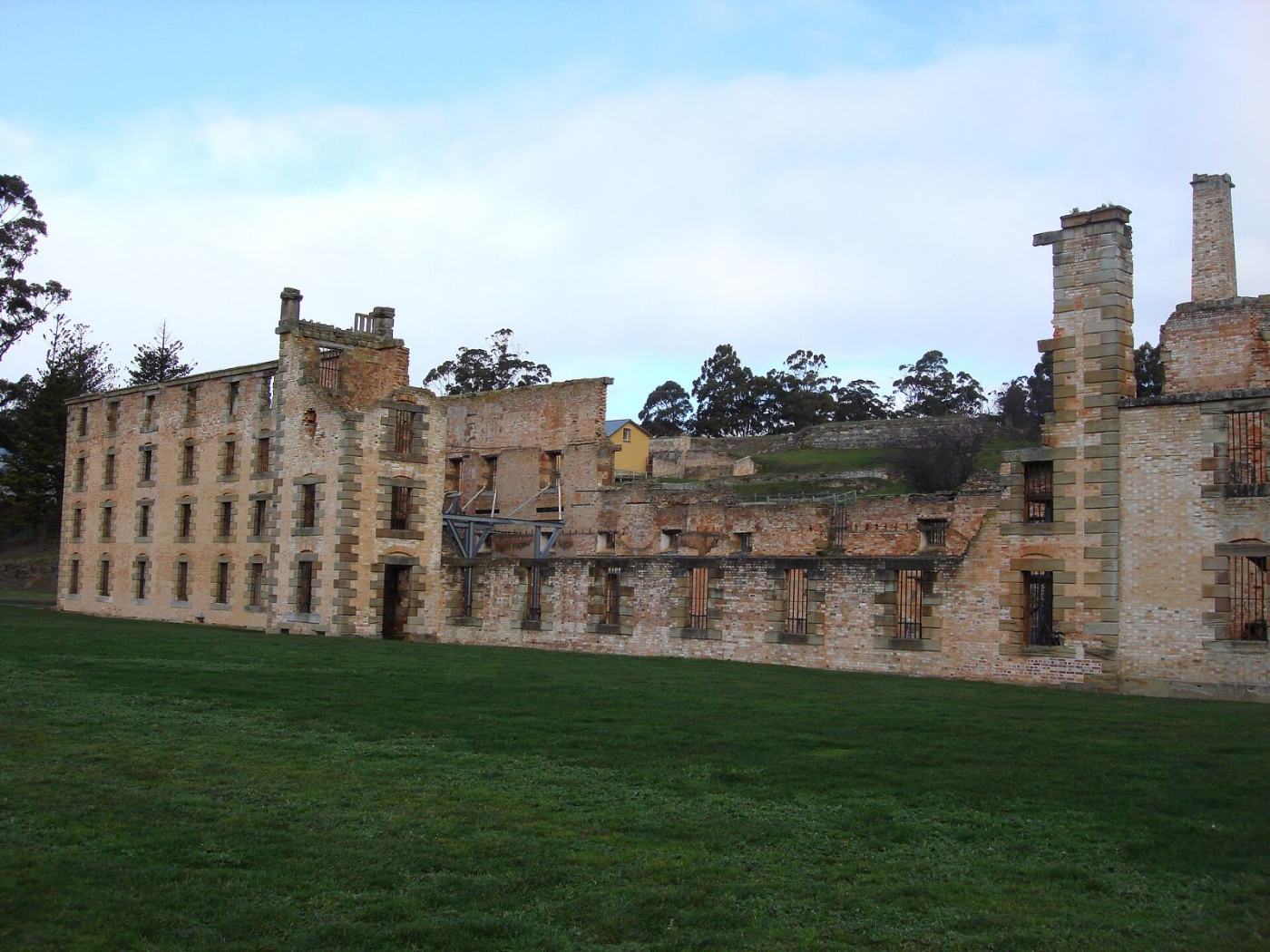
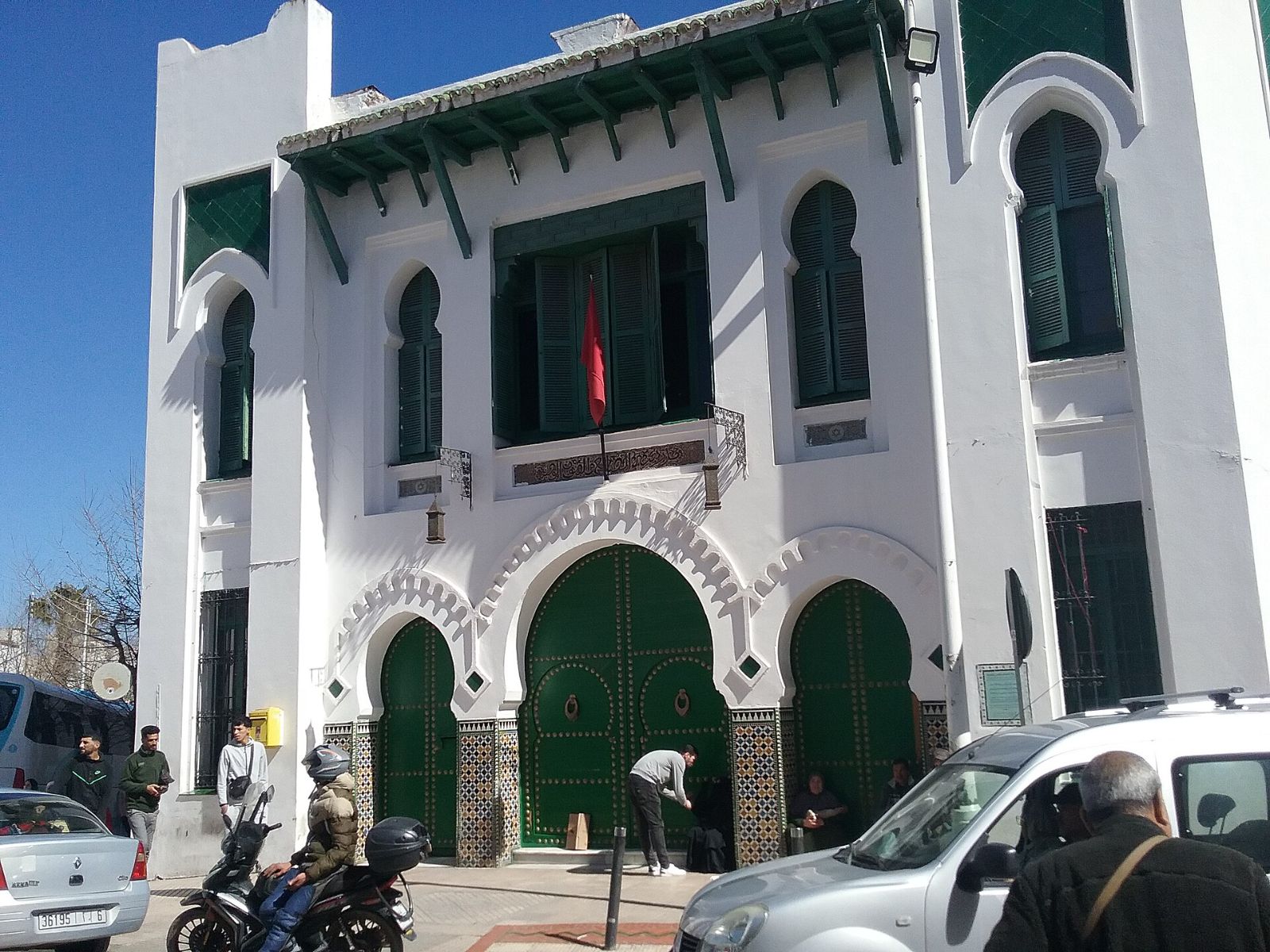
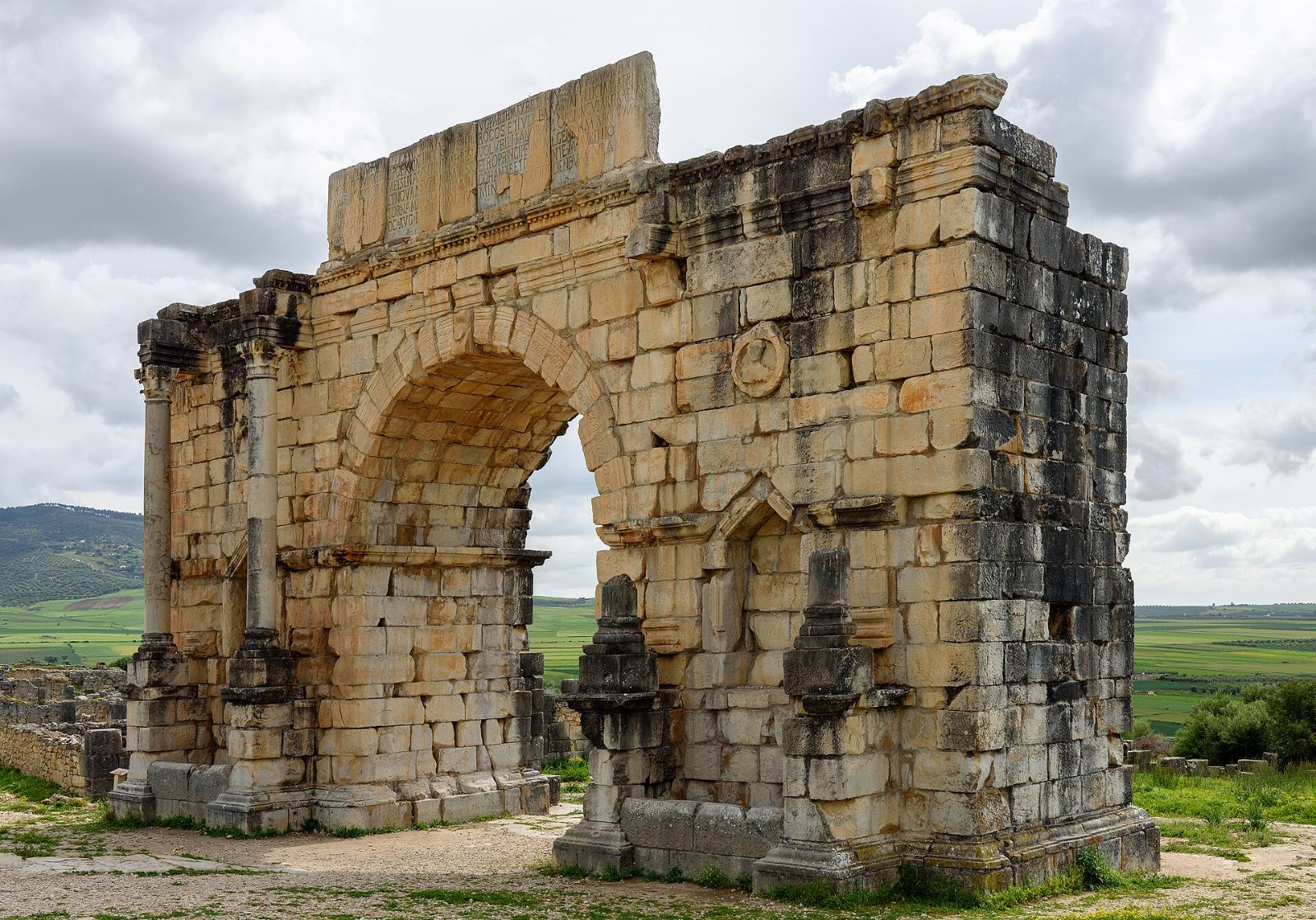
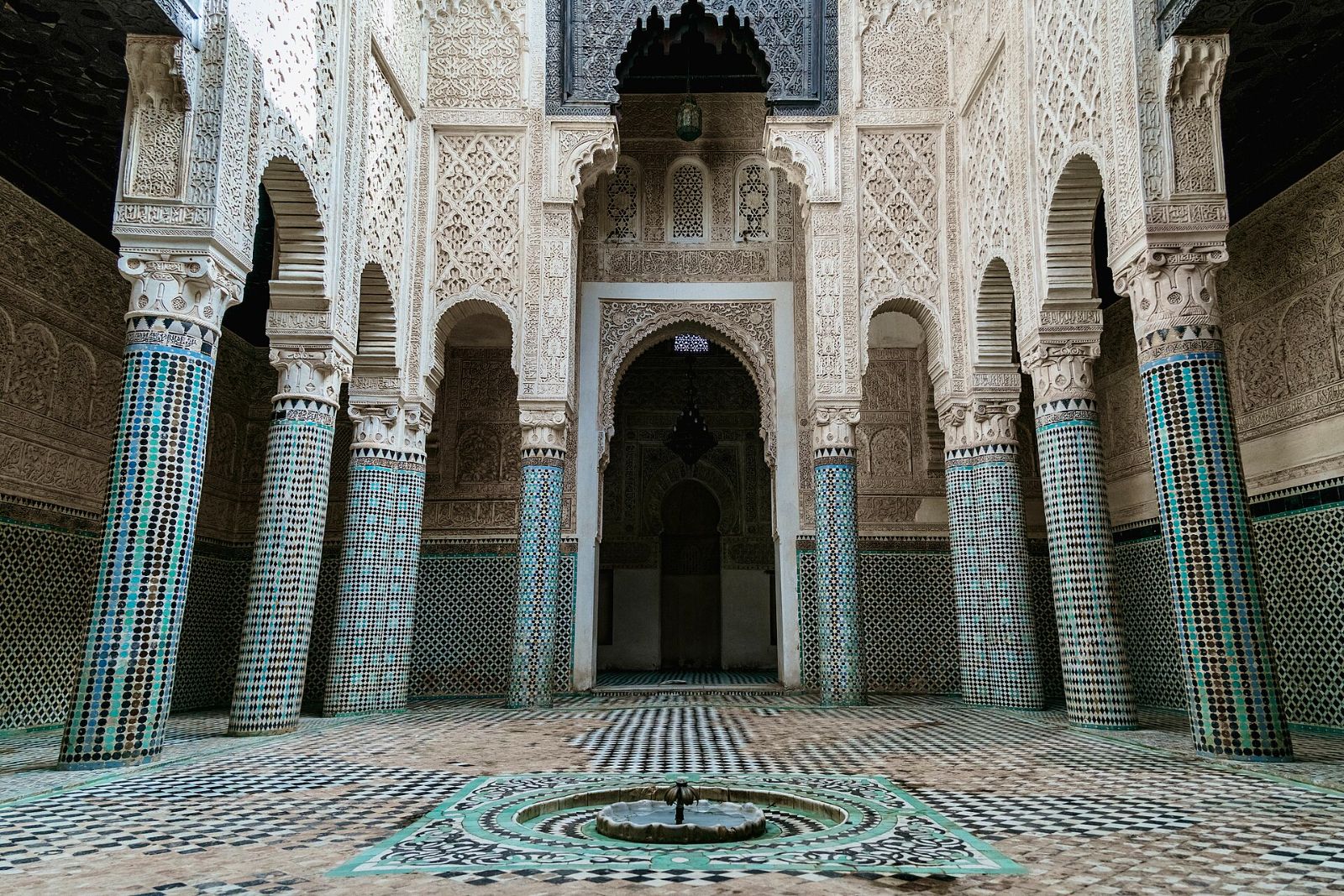
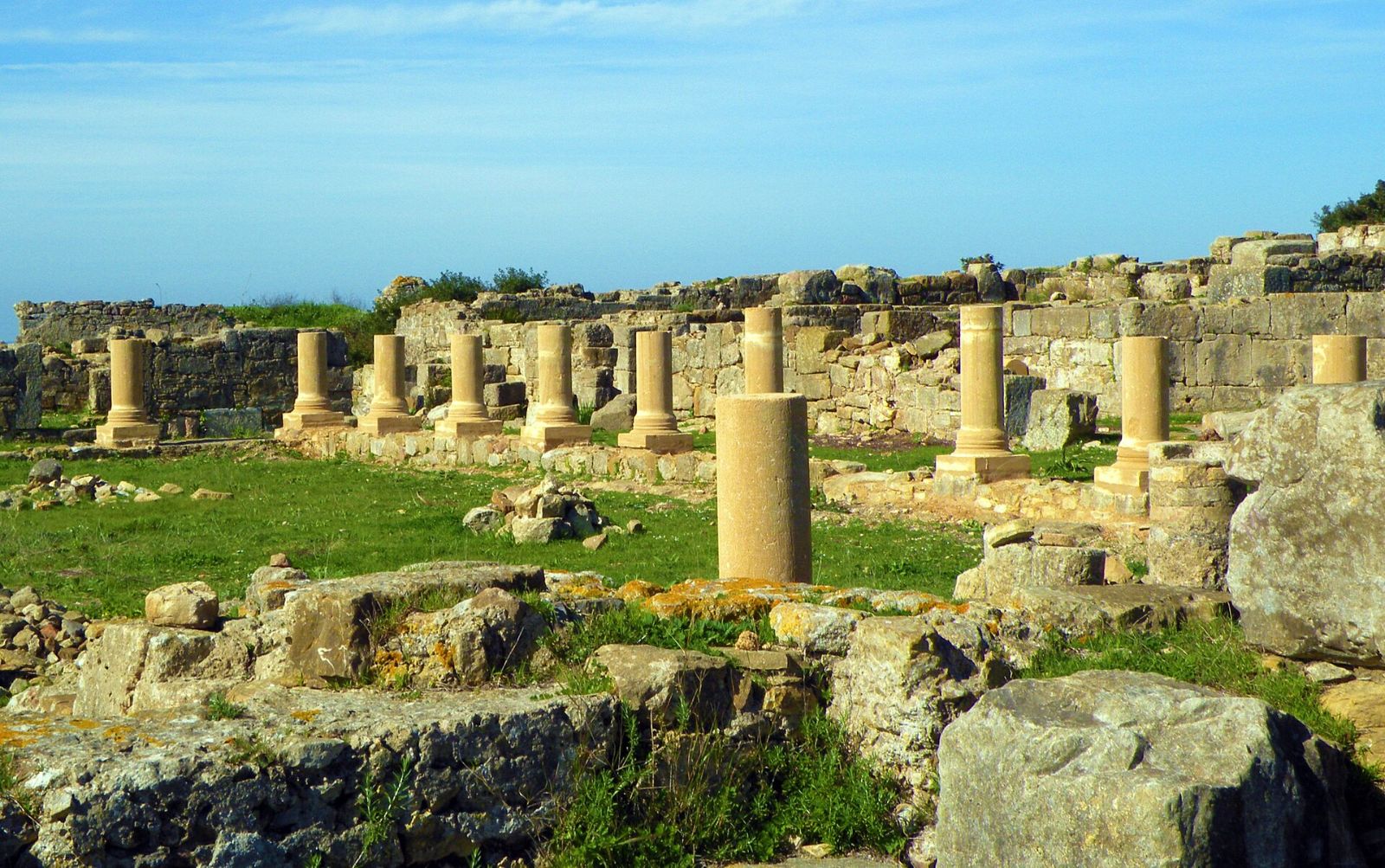
At Tamuda, cut stone, rubble and brick show how the camp was built and repaired. In Tétouan’s medina, many low houses are whitewashed, and Andalusian-style homes have fountains, painted ceilings and tilework.
Begin with a material and ask how it was made, reused and repaired. A photograph alone cannot tell you who cut a stone or laid a wall, or the conditions in which they worked.
A Tamuda chapter
Tamuda shows how a valley was held: a town by the river, then a Roman camp with a gate on every side, about 10 km from the Mediterranean. The Archaeological Museum of Tétouan, built in 1943, displays finds from the region’s Phoenician and Roman past.
Look at the meeting of the two: the plain foundations of the town, and the stronger walls built over them.
Make room for context
Pair this reading with the site’s history and the Journal. This is an introduction for visitors, not a claim that our team manages these places, commissions their restoration or represents their makers.
Read at the source
Sources & further reading
Links lead to the original publishers.