 Bookable
An Apollonaut travel guide
A city of medina streets.
An introduction to the medina of Salé and the madrasa at its heart, from zellij to carved cedar.
On this page
Read the city from its medina
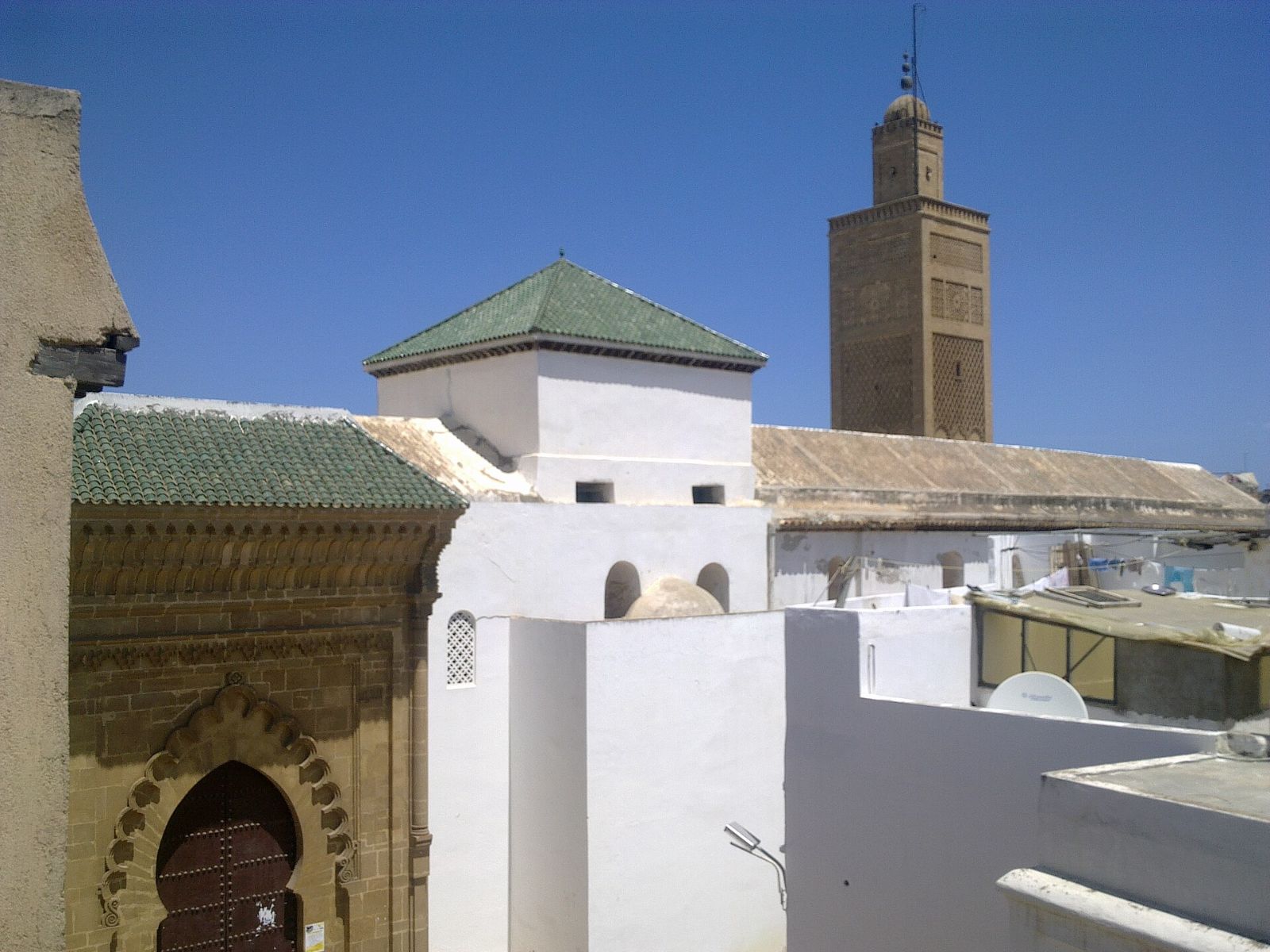
Salé faces Rabat across the Bou Regreg river. The madrasa stands in its old medina, in the Talaa quarter beside the Great Mosque, which it was built to serve.
A city guide can give context without turning a neighbourhood into a backdrop. Notice how a doorway is framed, how a canopy shelters a street, or how a small courtyard gathers light. Respect homes, working businesses and places of worship.
Tile, plaster and cedar
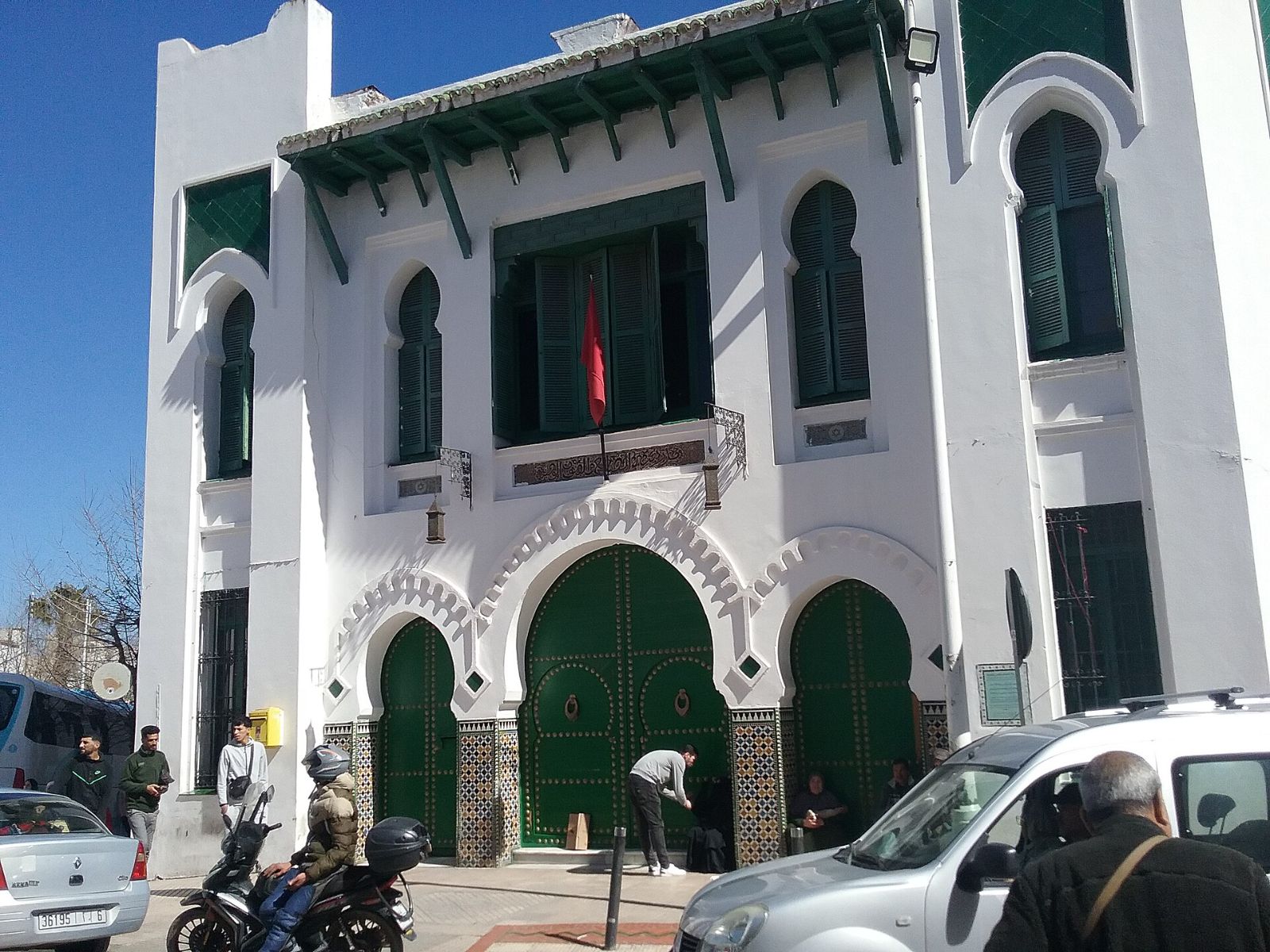
Zellij tilework, carved plaster and carved cedar wood give the madrasa its character, with calligraphy and geometric and floral patterns running through all three.
Begin with a material and ask how it was made, repaired and maintained. A photograph alone cannot tell you who cut a tile or carved a band of plaster, or the conditions in which they worked.
A madrasa chapter
The madrasa shows how much a small building can hold: a courtyard of about 8 by 5 metres, a prayer hall, two floors of students’ rooms, and nearly every surface worked in tile, plaster or wood.
Look at the meeting of the two: a practical college for students, and a courtyard that turns it into a place to linger.
Make room for context
Pair this city reading with the madrasa’s history and the Journal. This is an introduction for visitors, not a claim that our team manages these places, commissions their restoration or represents their makers.
Read at the source
Sources & further reading
Links lead to the original publishers.