 Bookable
An Apollonaut travel guide
A city of mosques and water.
An introduction to the oldest layers of Marrakech and the city around the Almoravid Koubba, from its water channels to its carved plaster.
On this page
Read the city from its first builders
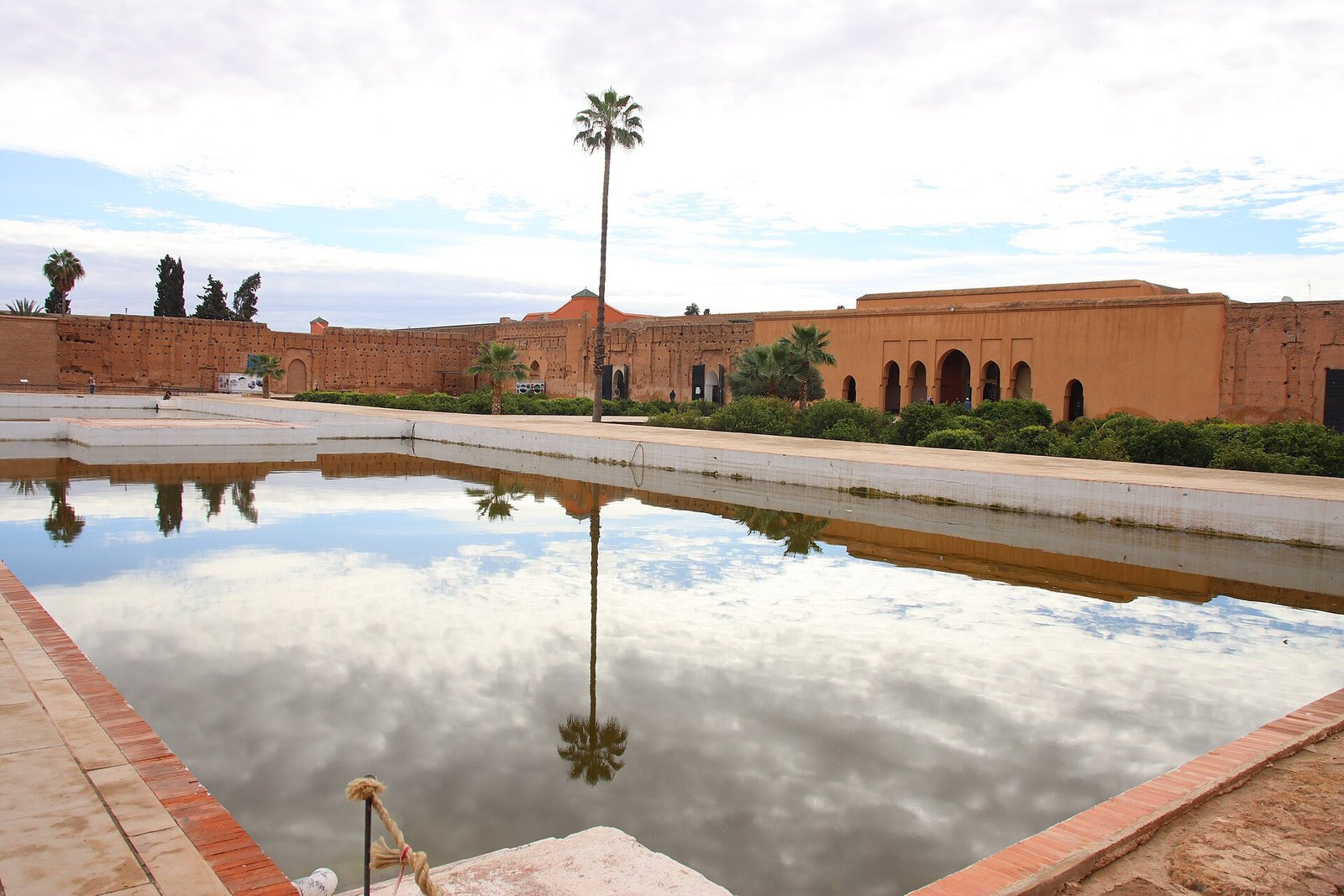
The medina of Marrakech is a World Heritage site. The Almoravids founded the city in 1070–1072, and the Almohads made it their capital from 1147. Little survives above ground from the first of these dynasties, which makes the koubba a rare window onto its building.
A city guide can give context without turning a neighbourhood into a backdrop. Notice how water reached a mosque, how a dome is carved, or how the ground has risen around an old building. Respect homes, working businesses and places of worship.
Stone, brick and carved plaster
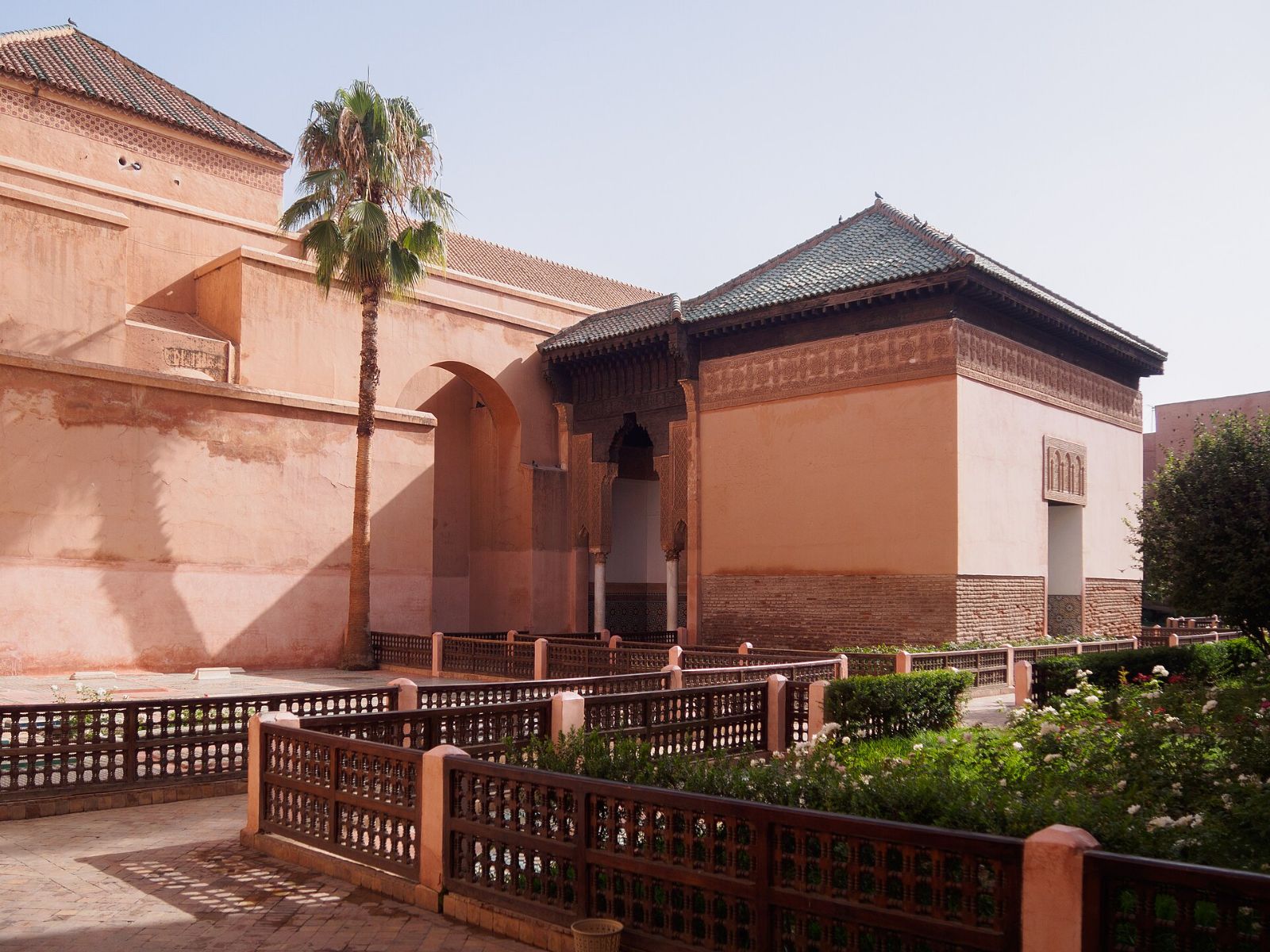
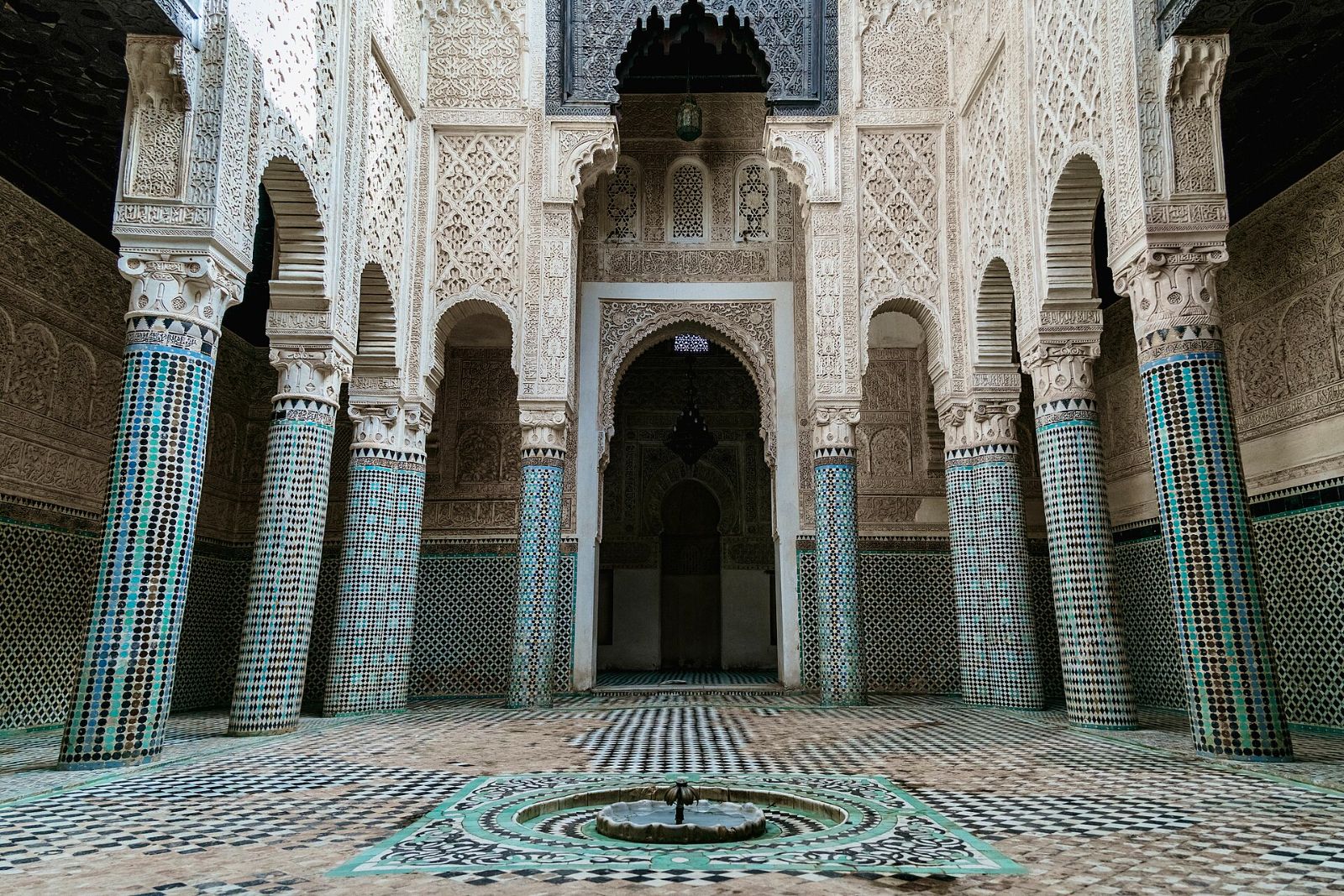
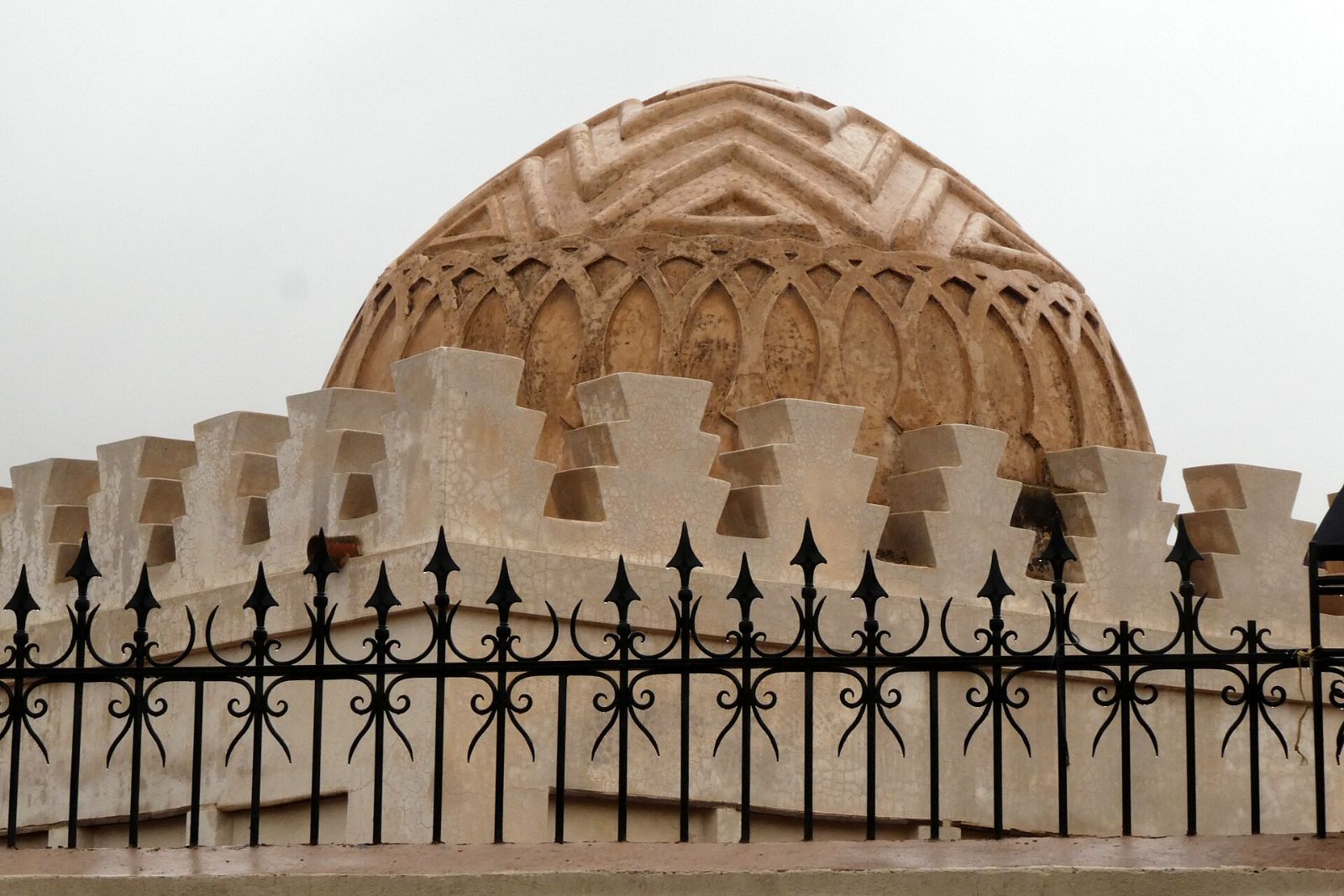
Stone, brick, cedar wood and carved plaster give the koubba its character, as they do many older buildings in the city.
Begin with a material and ask how it was made, repaired and maintained. A photograph alone cannot tell you who carved a cupola or laid a water pipe, or the conditions in which they worked.
A koubba chapter
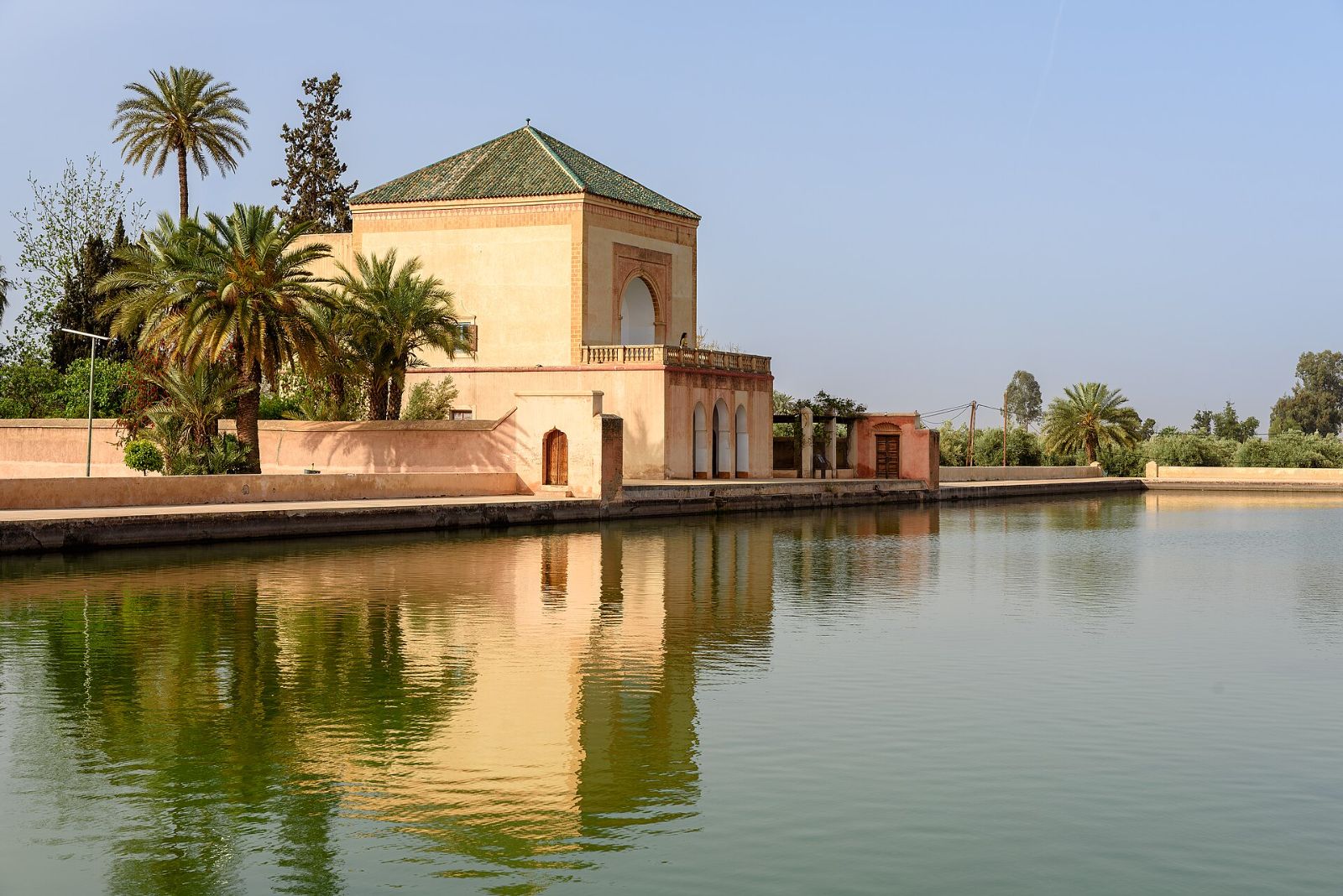
The koubba shows how water shaped religious life in Marrakech: a basin under a dome, a fountain open to the street and a cistern fed, probably, by underground channels from the plain.
Look at the meeting of the two: practical water works, and a carved dome that turns them into architecture.
Make room for context
Pair this city reading with the koubba’s history and the Journal. This is an introduction for visitors, not a claim that our team manages these places, commissions their restoration or represents their makers.
Read at the source
Sources & further reading
Links lead to the original publishers.