 Bookable
An Apollonaut travel guide
The place behind the detail.
A winter home on the bay, an Italian villa reimagined and gardens built around an artificial hill offer several ways into the story of Vizcaya.
On this page
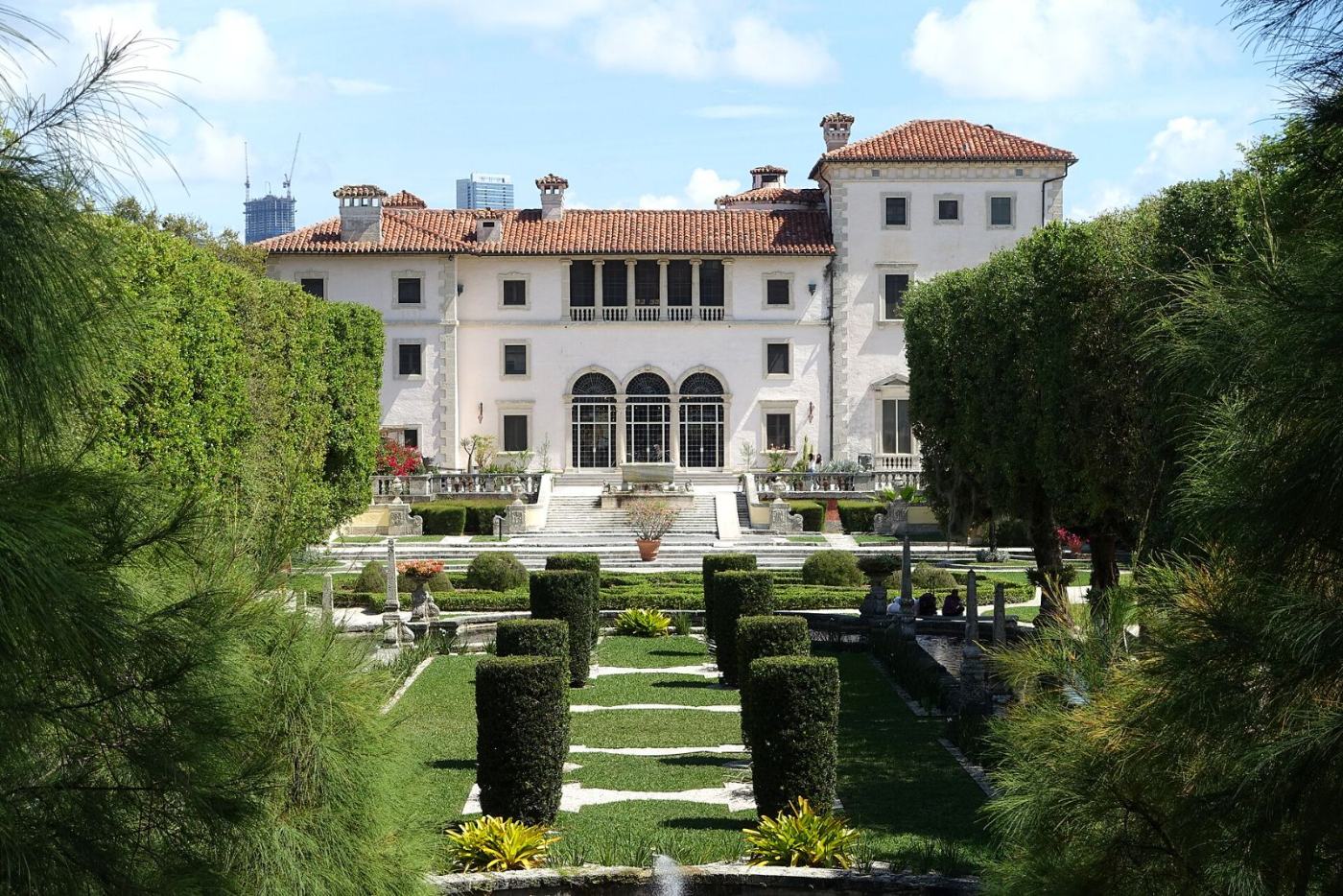
An Italian villa, reimagined
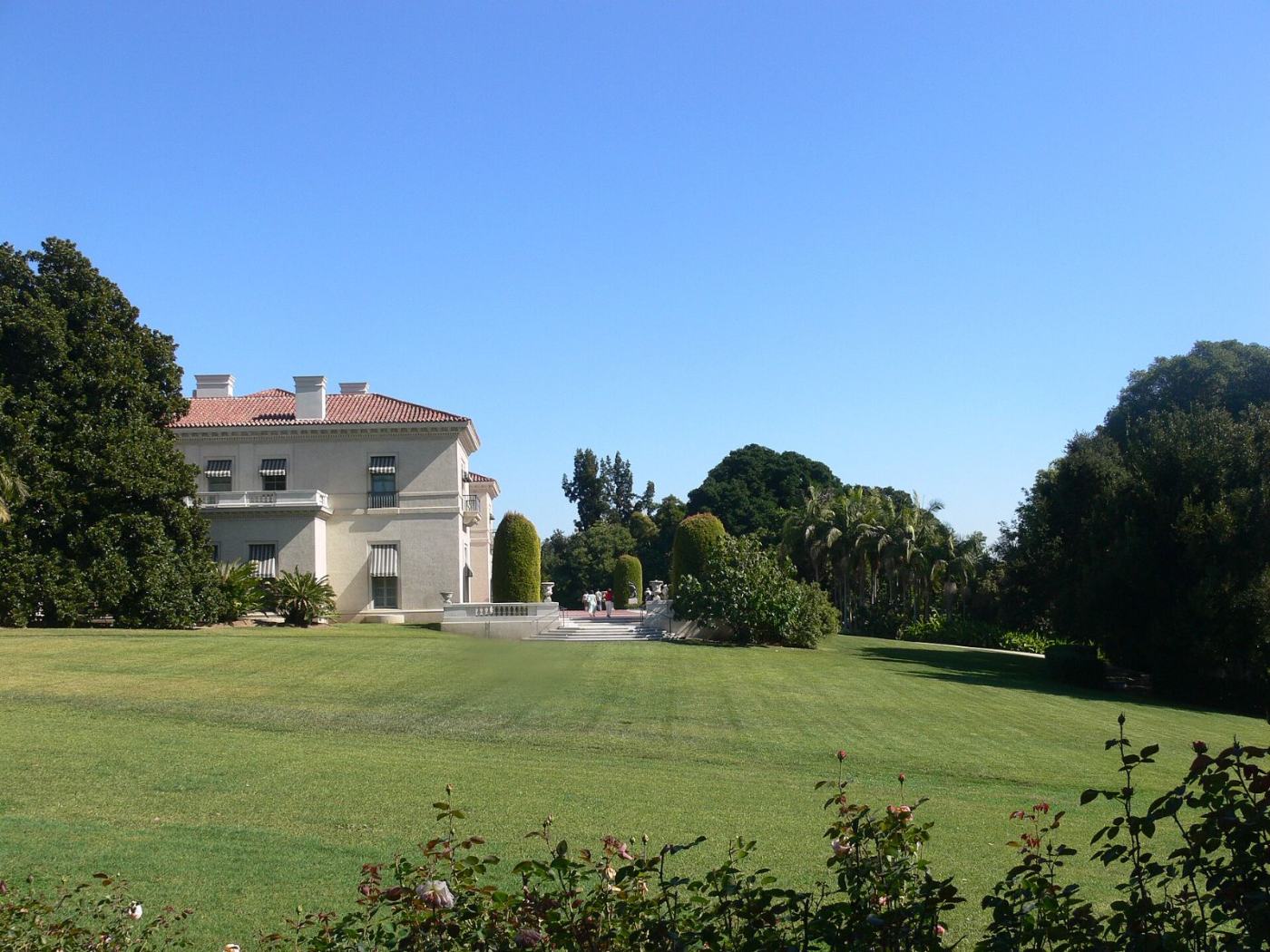
James Deering built Vizcaya between 1914 and 1922. The museum describes it as a modern and subtropical interpretation of an eighteenth-century Italian villa, in a style often called Mediterranean Revival, with Baroque elements.
F. Burrall Hoffman was the architect and Paul Chalfin the design director. Today the Main House holds more than seventy rooms of historic interiors.
Gardens around a mound
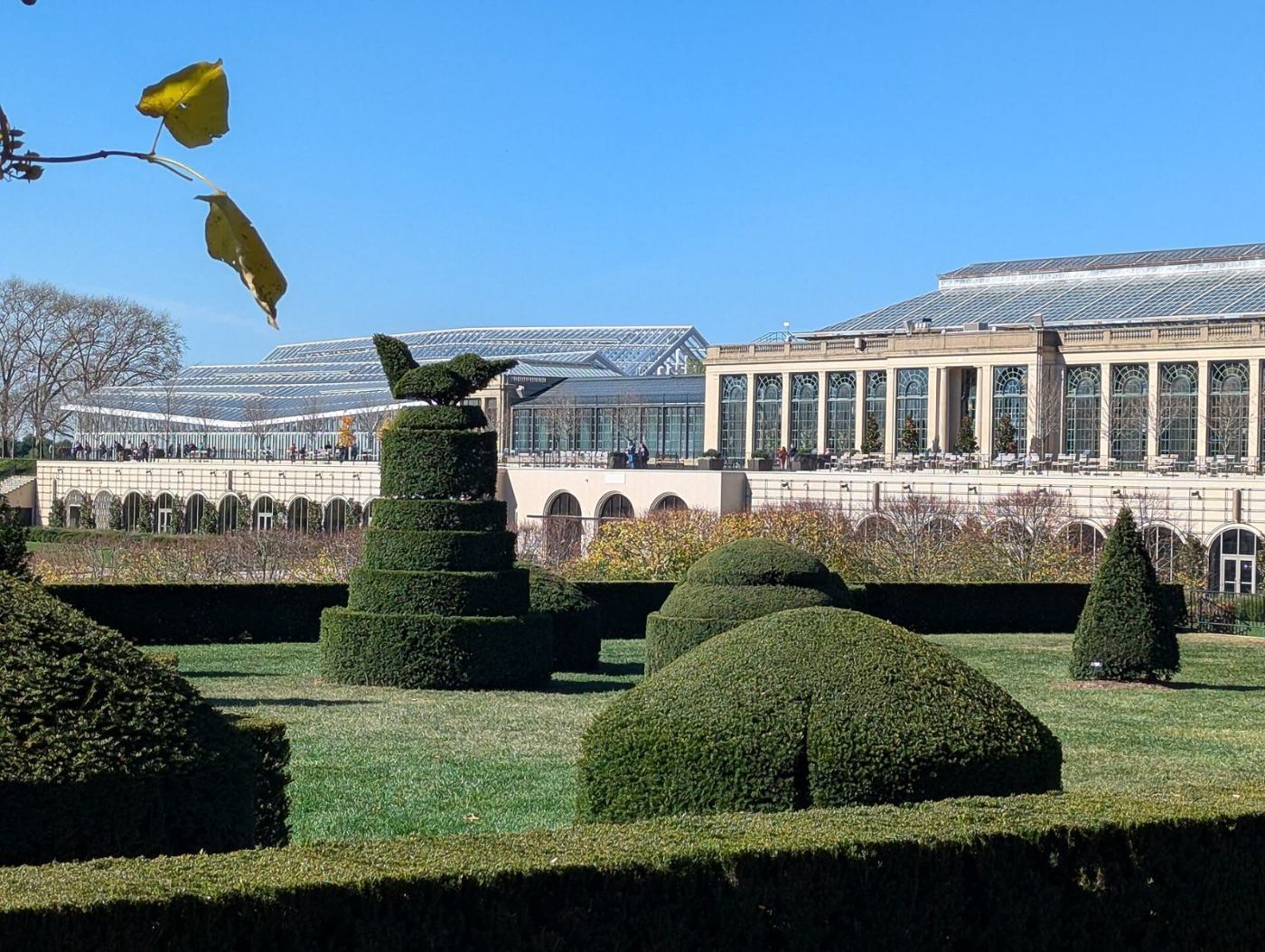
The landscape architect Diego Suarez made the garden mound, an artificial hill, the focal point of the formal gardens. About 10 acres of Italian Renaissance gardens sit beside the house, alongside native woodland and the outbuildings of a historic village.
Hurricanes have affected the estate, notably in 1926, 1992 and 2005, and restoration continues today.
From estate to museum
In 1952 Miami-Dade County acquired the villa and formal gardens, and in 1953 Vizcaya opened as the Dade County Art Museum. It was listed on the National Register of Historic Places in 1970 and designated a National Historic Landmark in 1994.
This history belongs to the place and the people who shaped it. The History page offers a longer introduction, and the timeline gives a short route through selected milestones.
Read at the source
Sources & further reading
Links lead to the original publishers.