 Bookable
An Apollonaut travel guide
The place behind the detail.
A neoclassical house, the enslaved community who made the plantation work and a World Heritage listing offer several ways into the story of Monticello.
On this page
A house designed for a lifetime
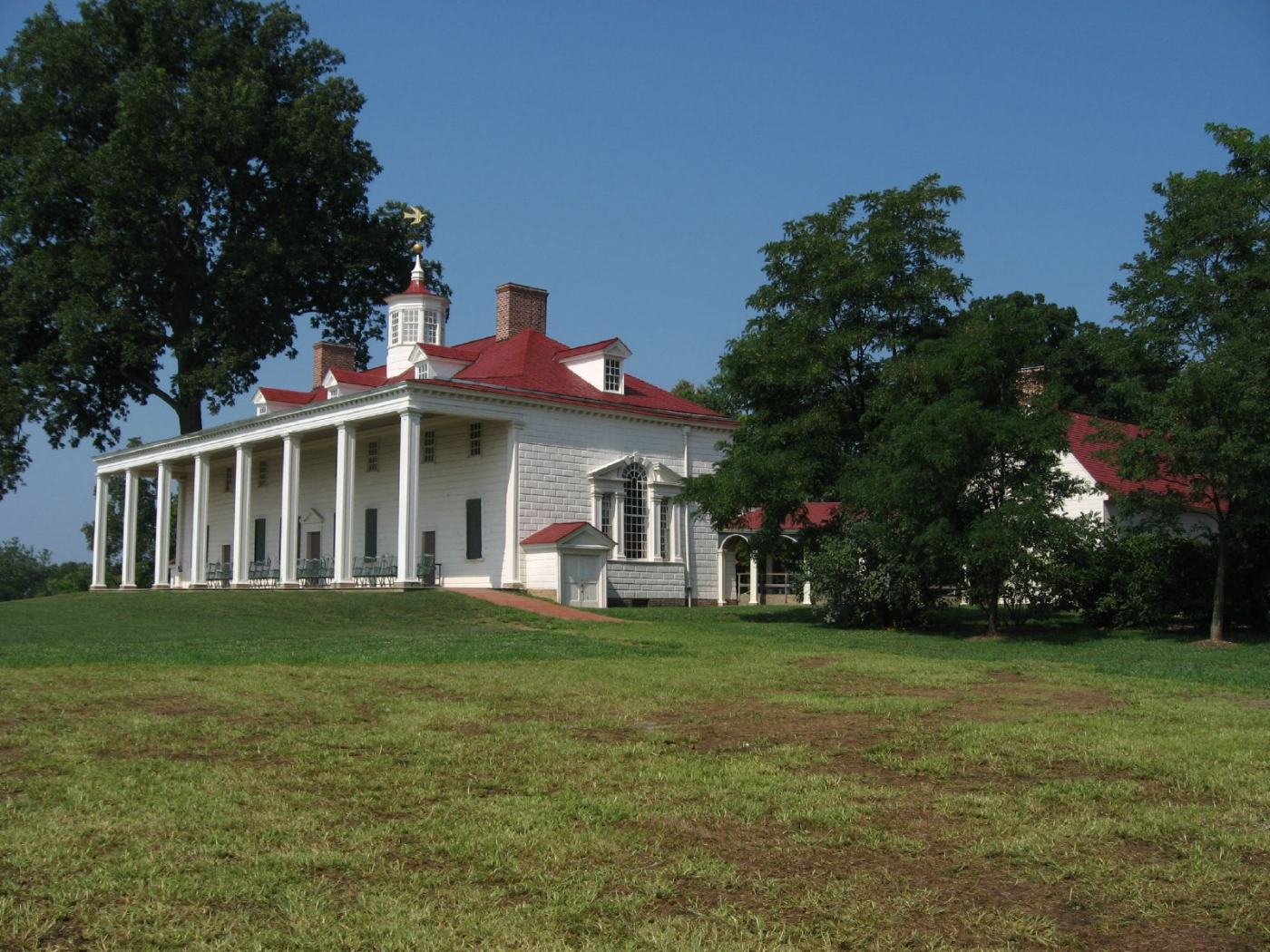
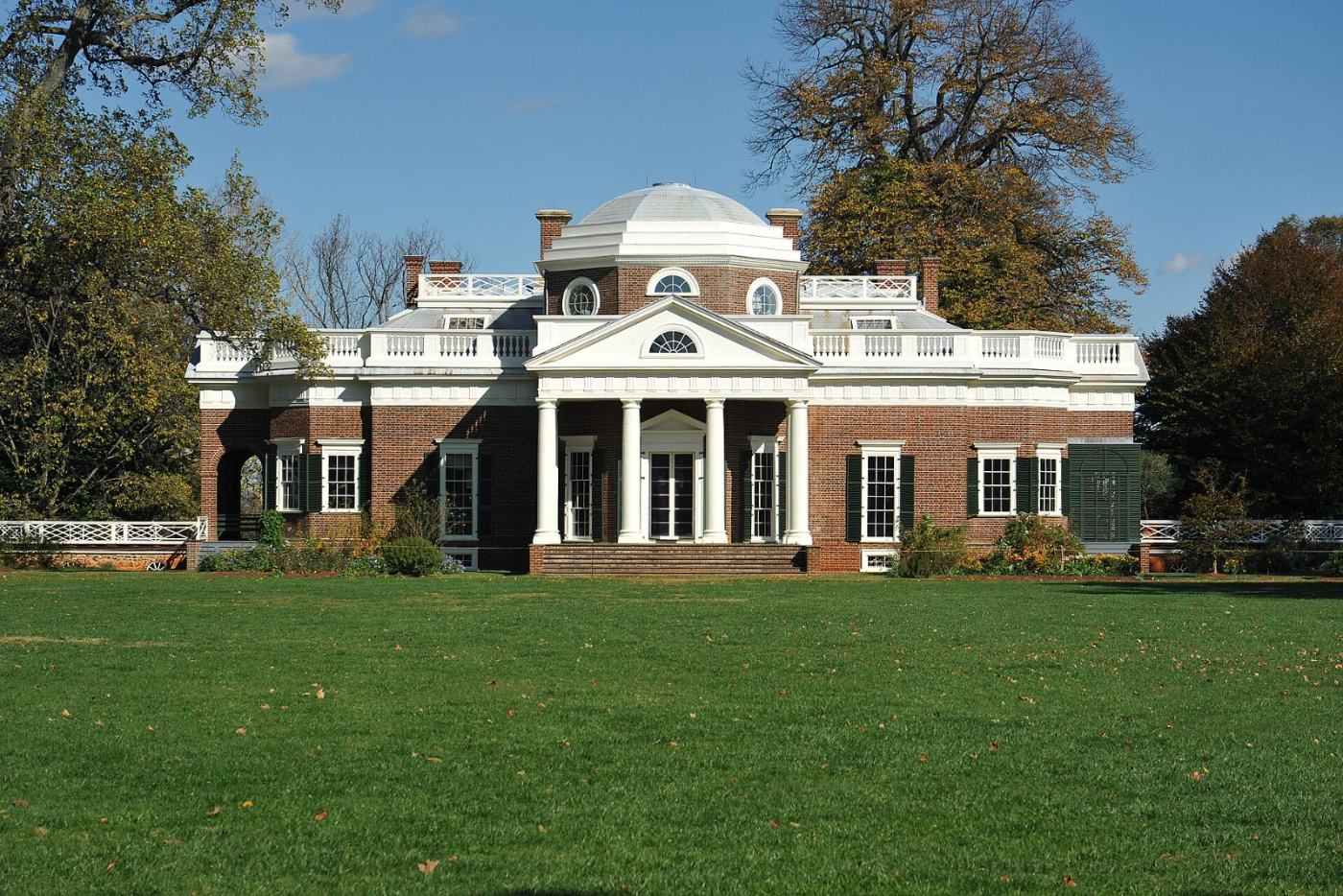
Thomas Jefferson began Monticello in 1768 and rebuilt it from 1794, drawing on the neoclassical principles of Andrea Palladio. Its octagonal dome above the west front replaced an earlier portico.
The house has appeared on the reverse of the US nickel since 1938, apart from 2004 and 2005.
An enslaved community
Monticello’s fields, workshops and household were worked by enslaved people, many of whom lived on Mulberry Row beside the house. Among them were the Hemings family, inherited by the Jeffersons in 1774.
Most historians, supported by a 1998 DNA study and a 2000 Thomas Jefferson Foundation report, conclude that Jefferson fathered the children of Sally Hemings, an enslaved woman at Monticello.
From private home to World Heritage
After Jefferson’s death in 1826 the debt-laden estate was sold. The Thomas Jefferson Foundation bought the house in 1923 and runs it as a museum. Monticello was designated a National Historic Landmark in 1960 and, with the University of Virginia, a UNESCO World Heritage Site in 1987.
This history belongs to the place and the people who shaped it. The History page offers a longer introduction, and the timeline gives a short route through selected milestones.
Read at the source
Sources & further reading
Links lead to the original publishers.