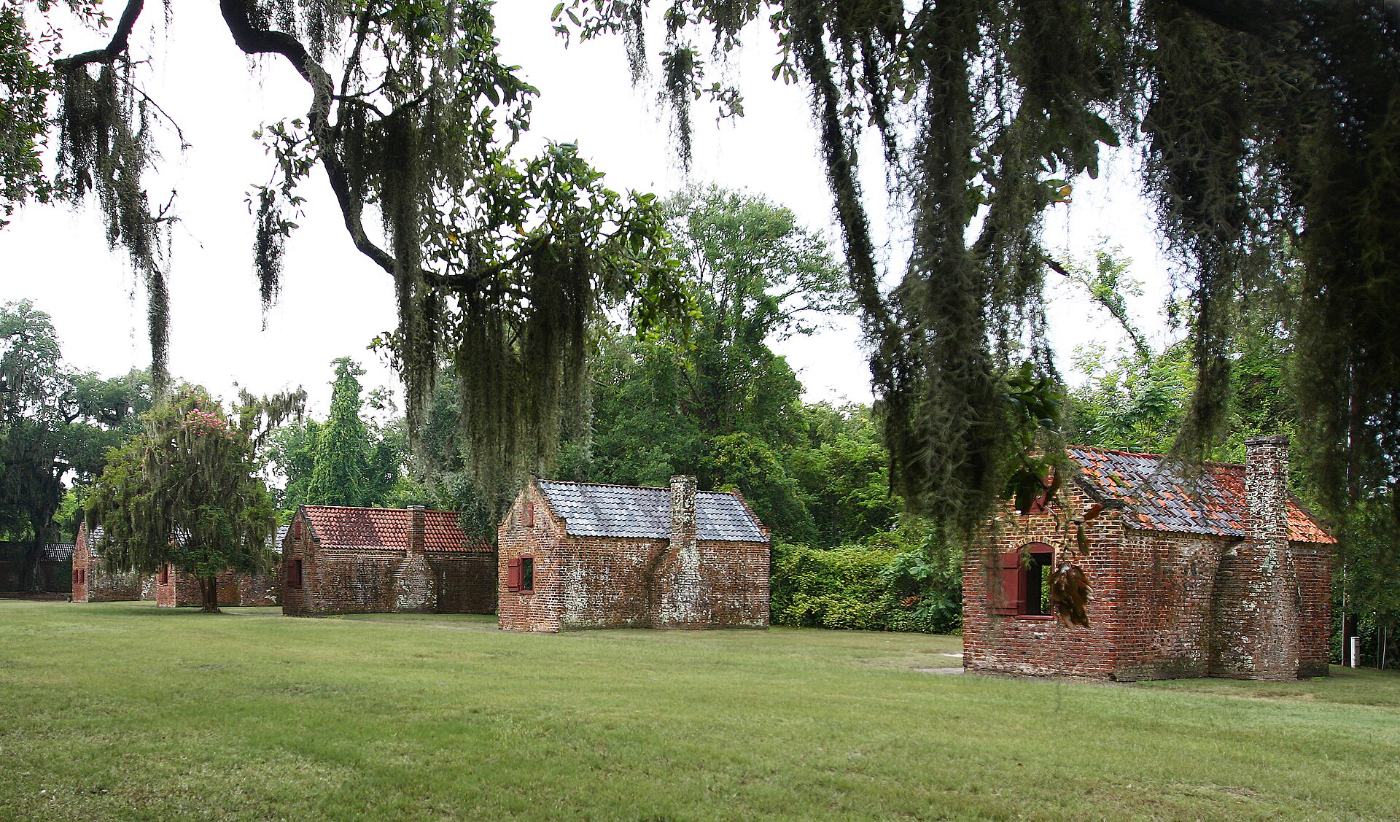
Built by enslaved people
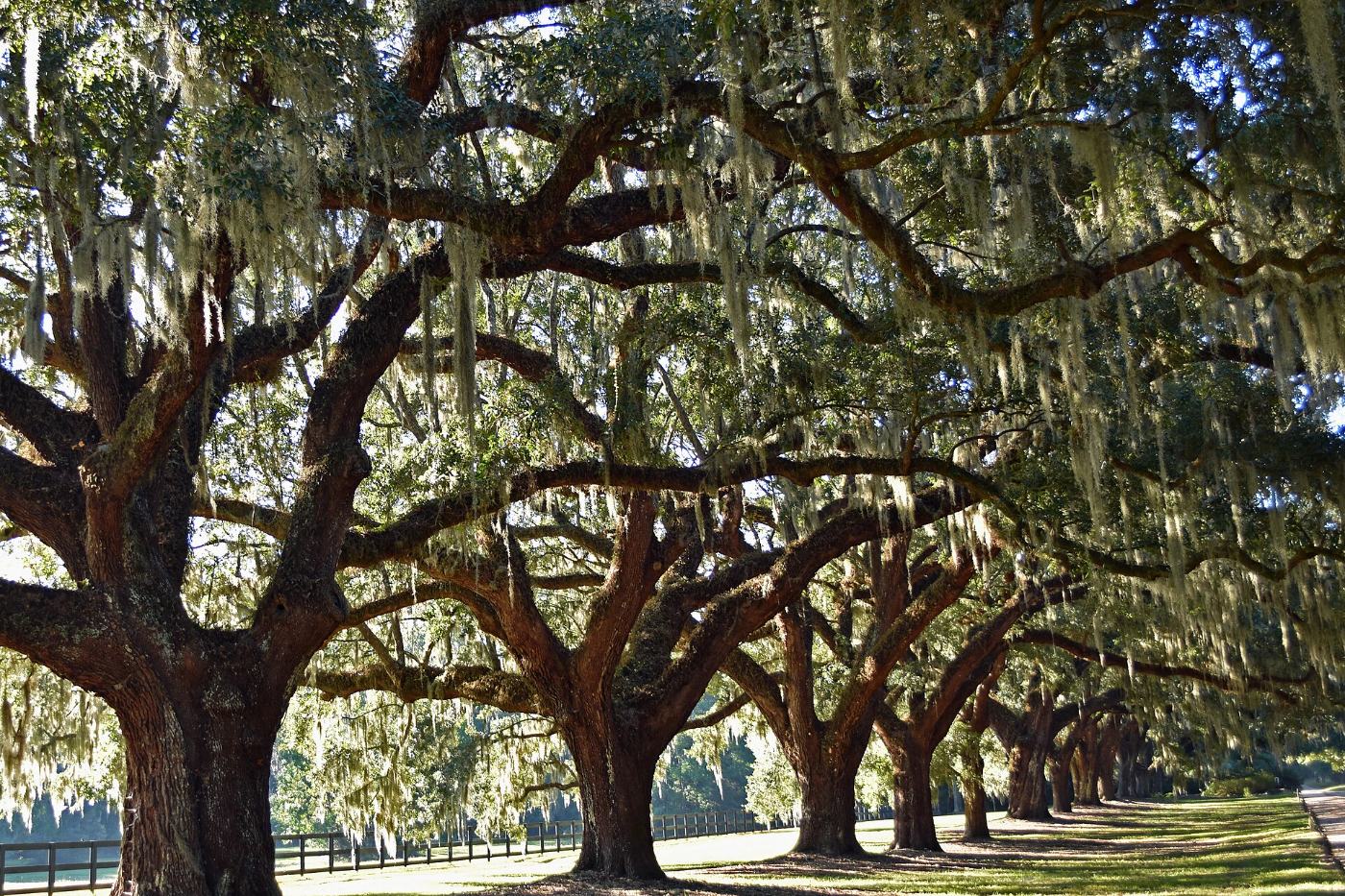
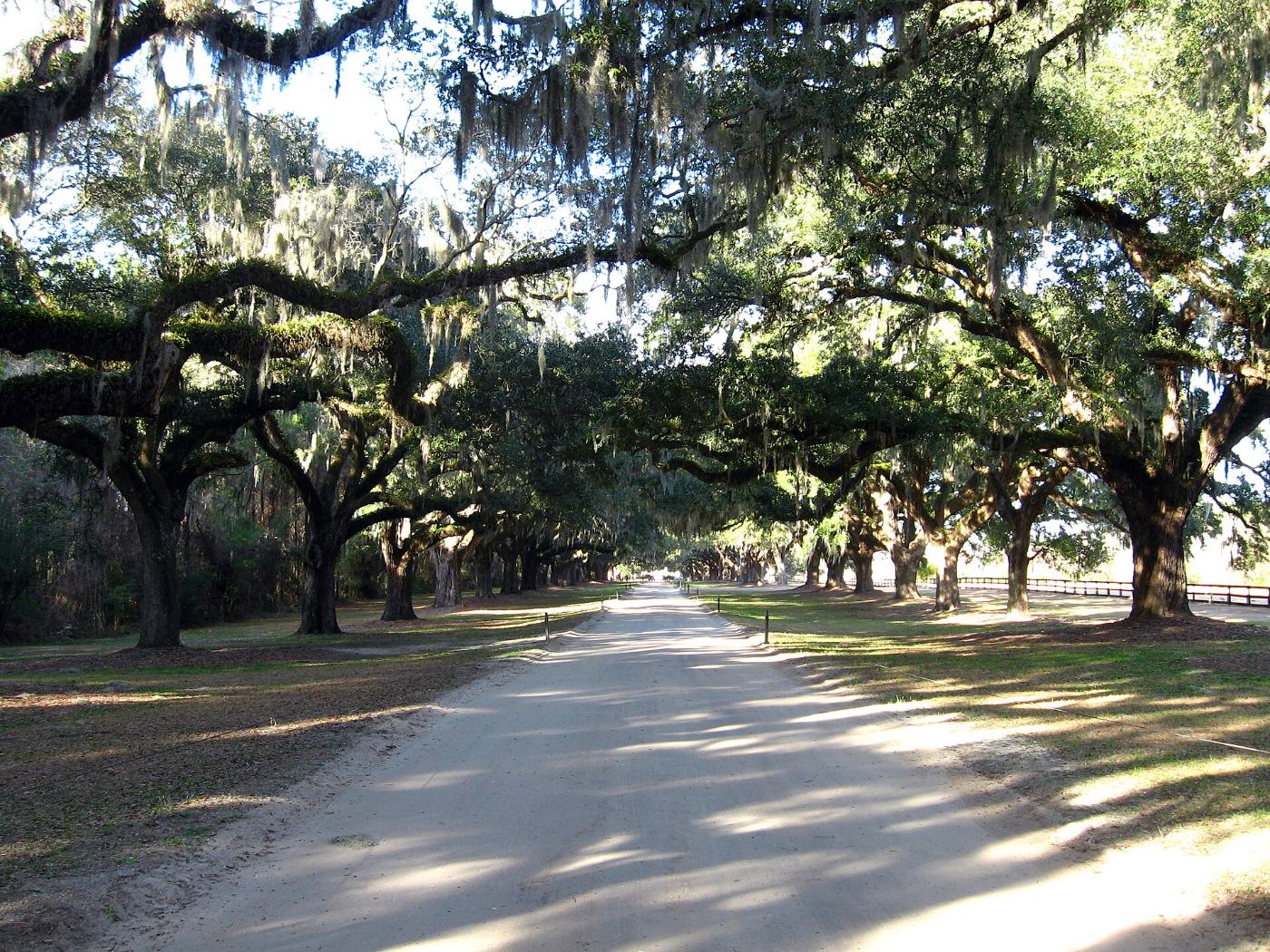
Enslaved workers made Boone Hall’s bricks by hand, raised its buildings and planted the live oaks of its avenue. Their work is the foundation of everything a visitor sees here today.
The cabins
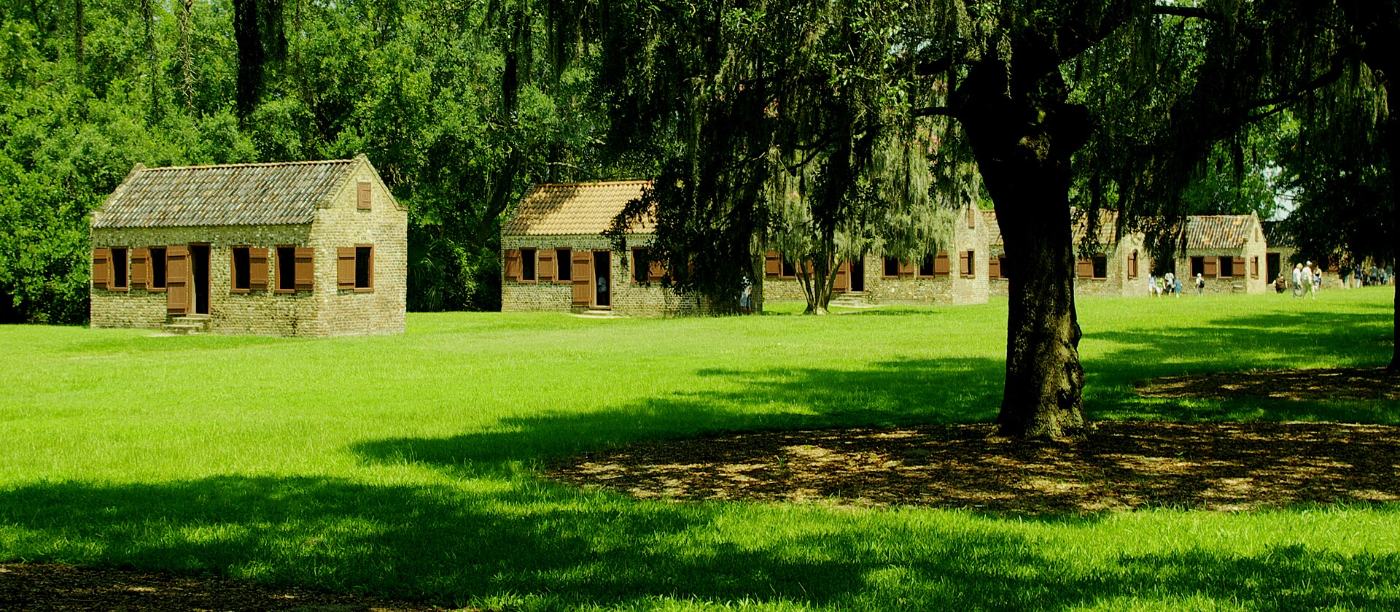
The brick cabins that stand today date from about 1790 to 1810. Enslaved people lived in them, and later sharecroppers, into the 1940s. Nine of them now hold the Black History in America exhibit, and a guided presentation describes the lives of the enslaved people of Boone Hall.
Gullah culture
The history of the people enslaved here is linked to Gullah culture, which developed among African Americans of the Lowcountry. It is presented at Boone Hall through living-history presentations, and in 2009 Boone Hall was named an African American Historic Place in South Carolina.