 Bookable
An Apollonaut travel guide
The history behind the avenue.
A colonial land grant, the lives of enslaved people and a house of the 1930s offer several ways into the history of Boone Hall.
On this page
The people who built it
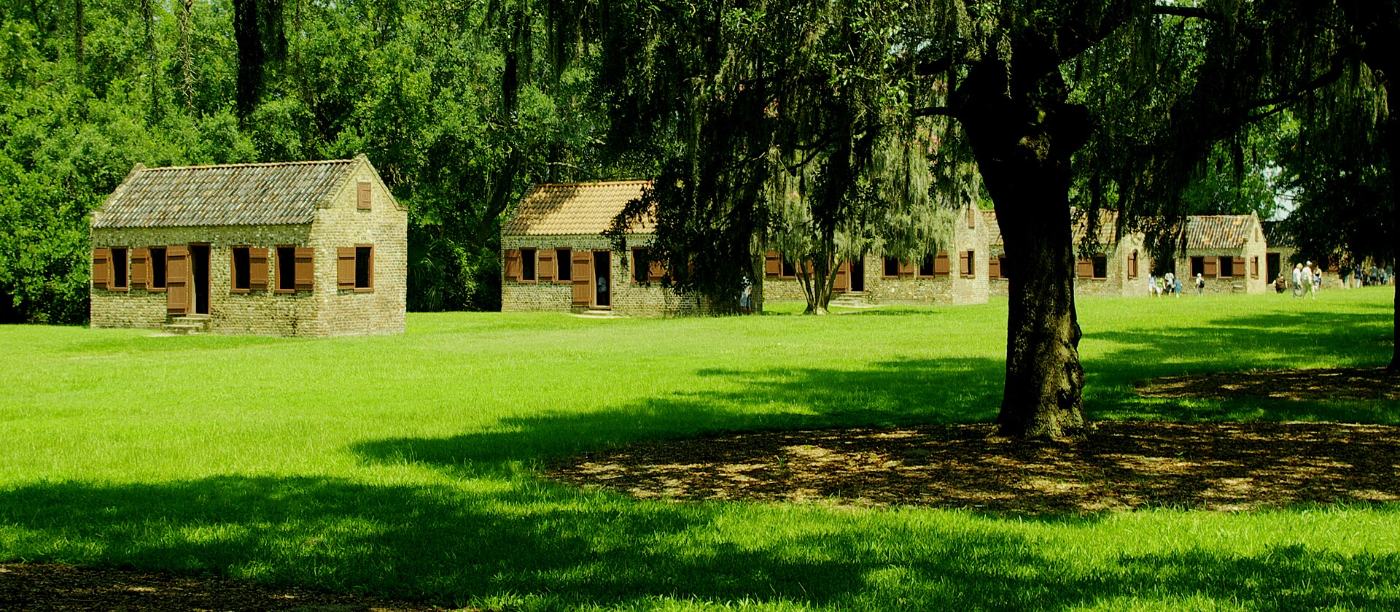
Enslaved people made Boone Hall’s bricks, raised its buildings and planted its avenue of oaks. The brick cabins where they lived date from about 1790 to 1810.
Nine of the original cabins now hold the Black History in America exhibit, and Gullah culture is presented through living-history presentations.
The Avenue of Oaks
The avenue of 88 live oaks was first planted in 1743 and completed in 1843, and runs for about three-quarters of a mile.
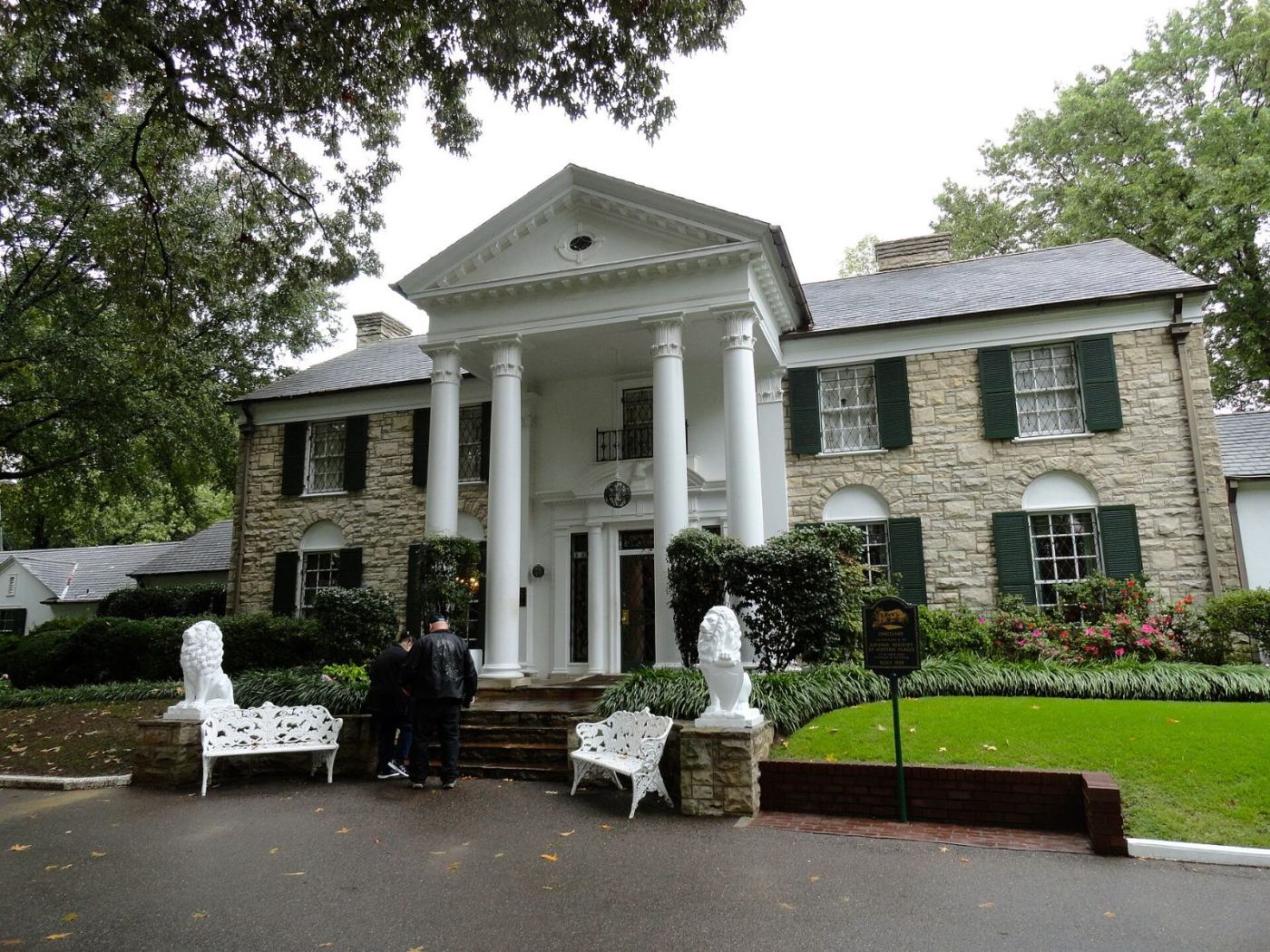
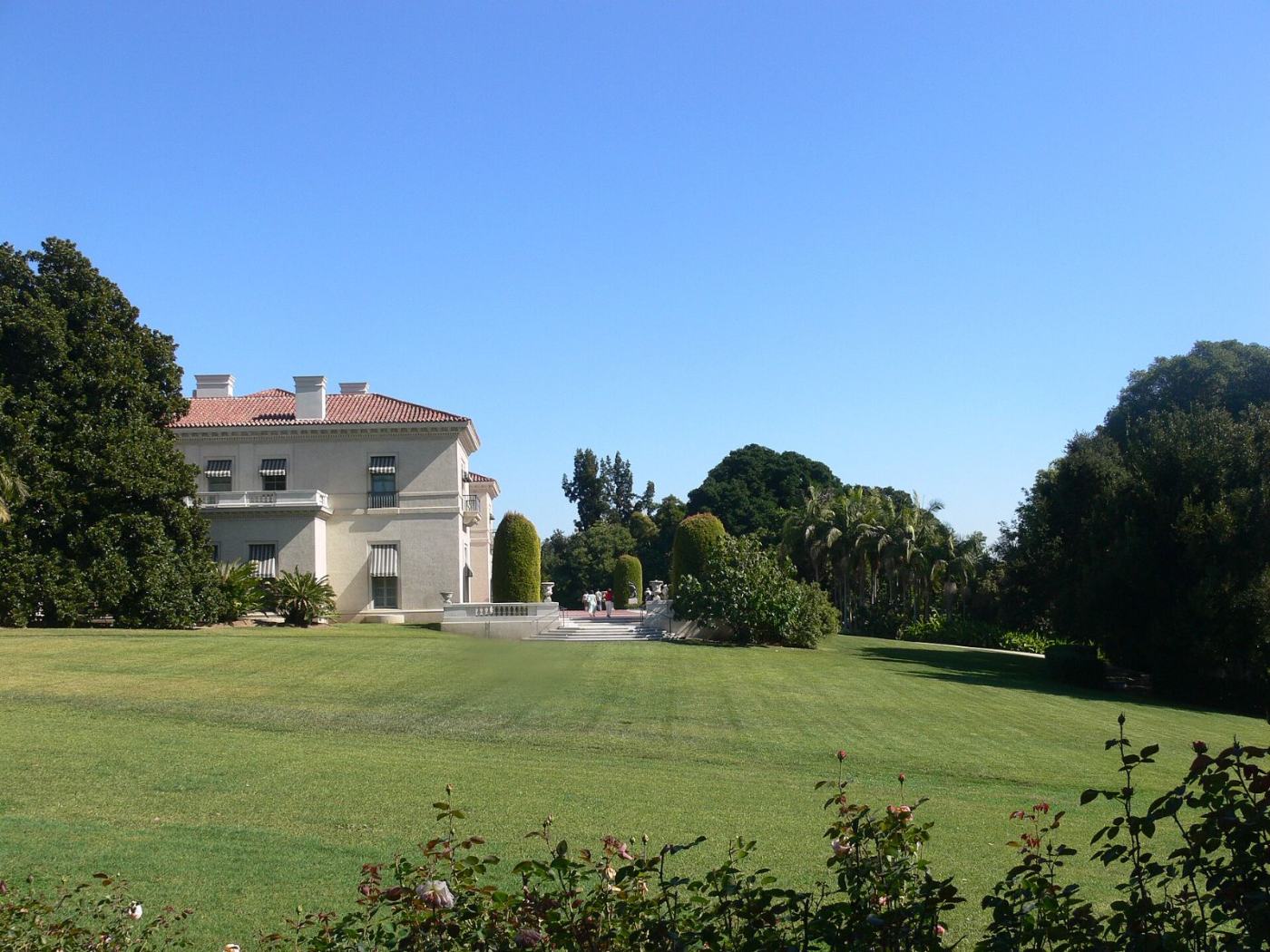
The present house was built in 1936, designed by William Harmon Beers for Thomas Stone.
A recognised historic place
Boone Hall was listed on the National Register of Historic Places in 1983, and in 2009 it was named an African American Historic Place in South Carolina.
This history belongs to the people who lived it, above all those who were enslaved here. The History page offers a longer introduction, and the timeline gives a short route through selected milestones.
Read at the source
Sources & further reading
Links lead to the original publishers.