 New
El Badi Palace
Marrakech, Morocco · Palaces & landmarks
History, architecture & heritage
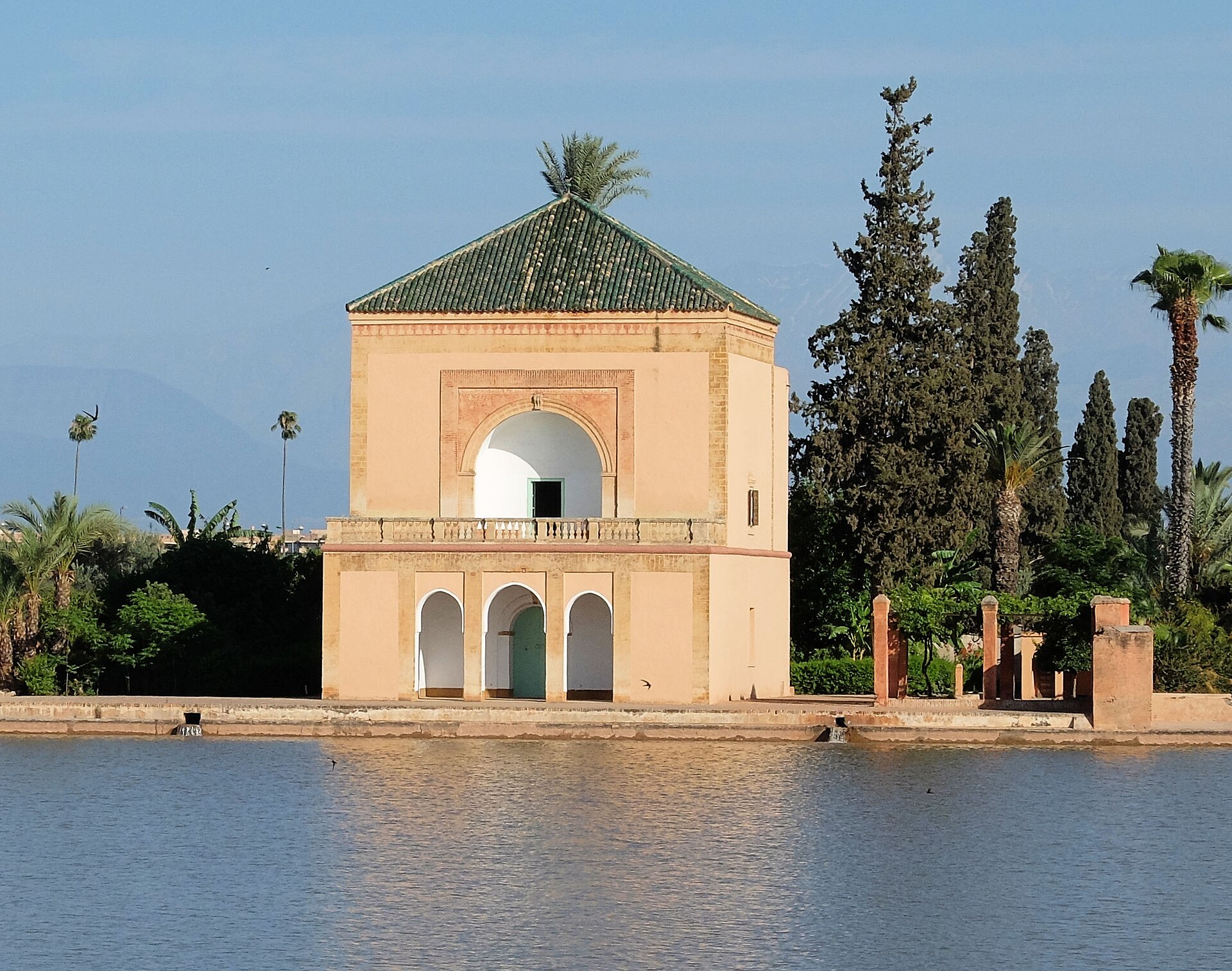
The story of the Menara, from an Almohad estate outside the city walls to the pavilion on the water’s edge.
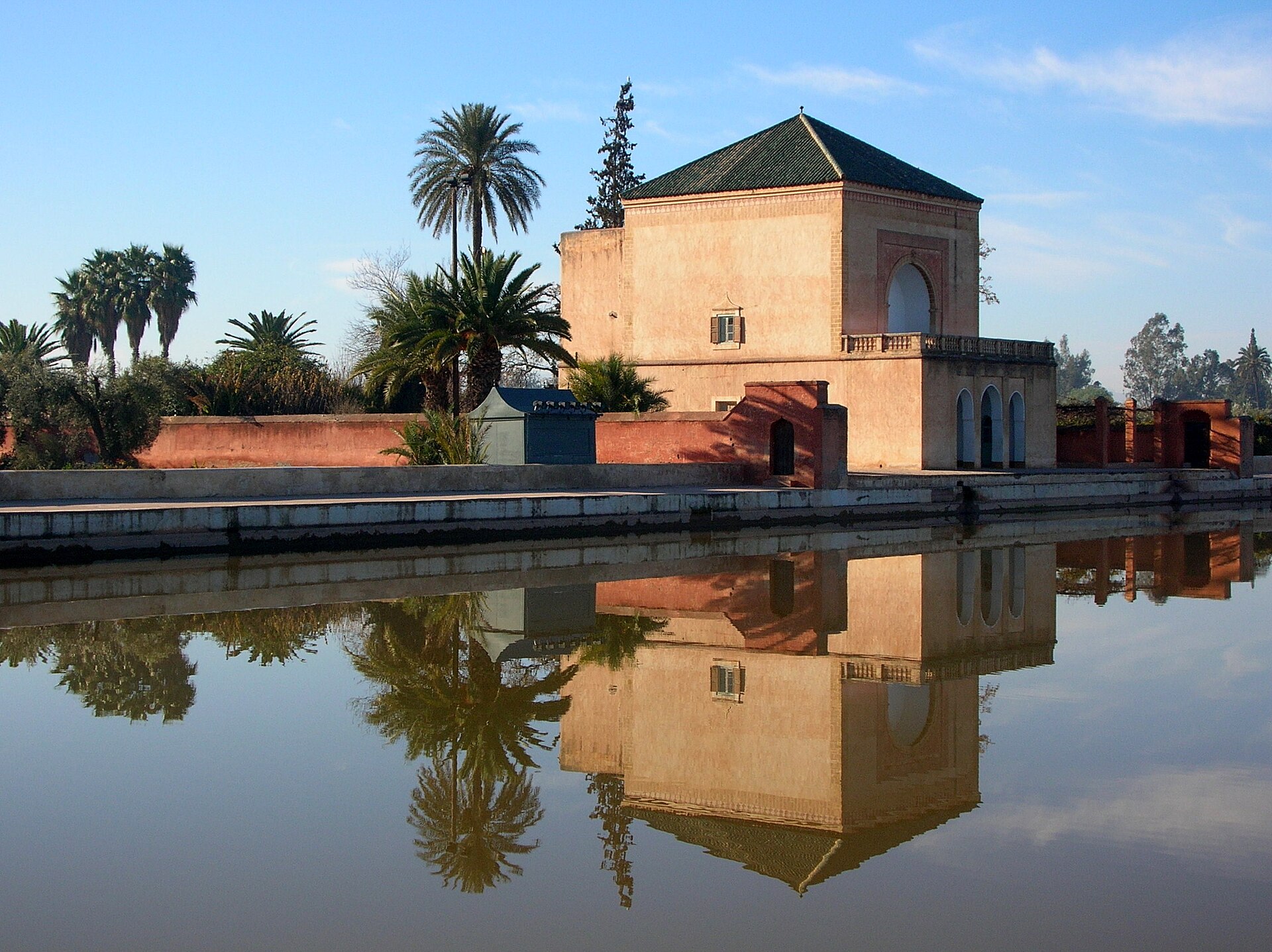
The Almohad caliph Abd al-Mu’min established the Menara Gardens in 1157, outside the walls of Marrakech. They were probably laid out by Hajj al-Ya’ish, an engineer from Málaga, as a great walled estate of orchards around a central basin.
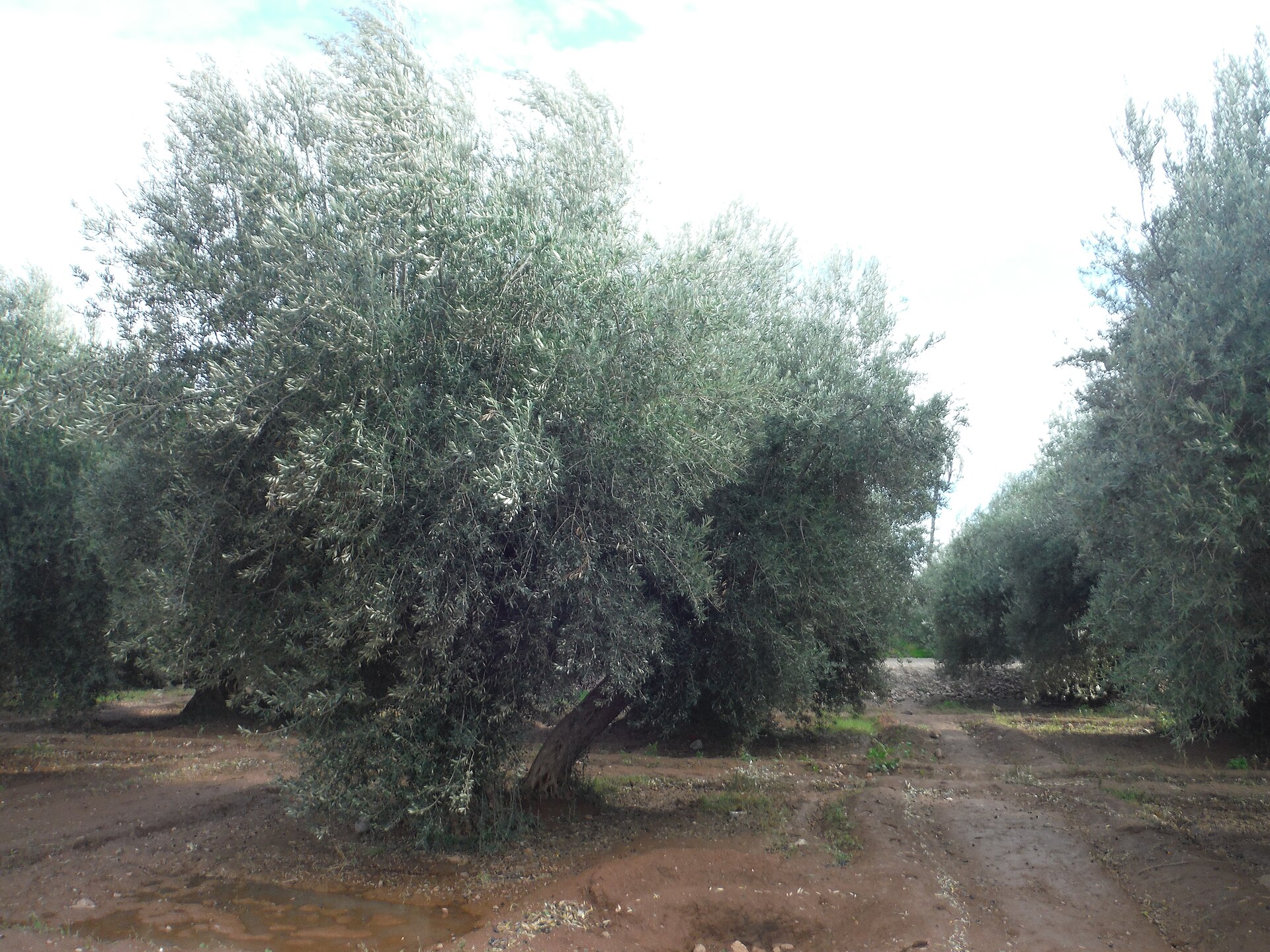
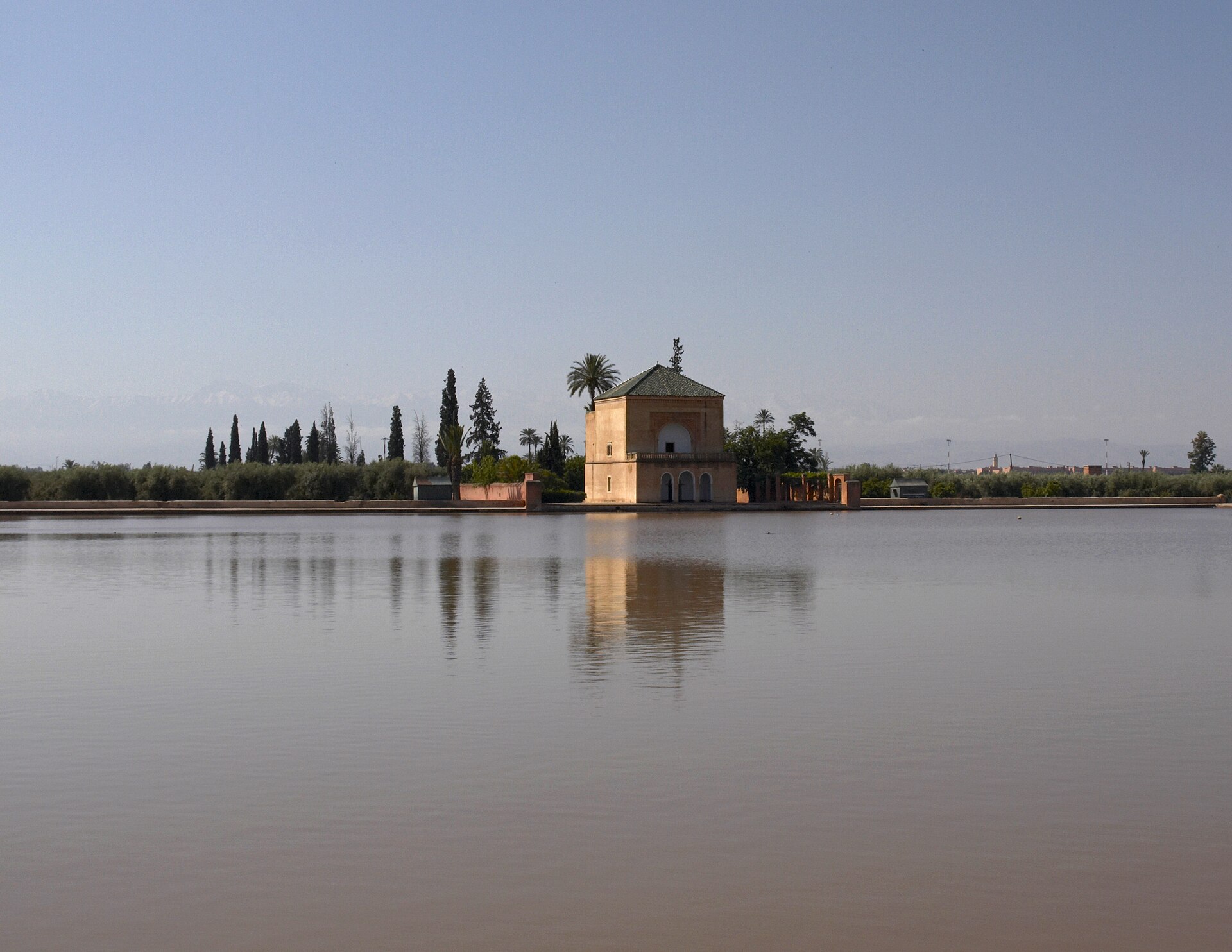
Underground channels called khettaras, dug at a gentle slope, brought groundwater from the foot of the High Atlas. The basin, about 195 metres long and 160 metres wide, stands above the level of the orchards, so its water could reach the trees by gravity even in the dry months.
The Saadians built a first pavilion here in the 16th century. The Alaouite sultans Moulay Abd ar-Rahman and Muhammad IV later restored and replanted the gardens, and Muhammad IV’s new pavilion was completed in 1870: the inscription above its northern balcony gives the Islamic year 1286.
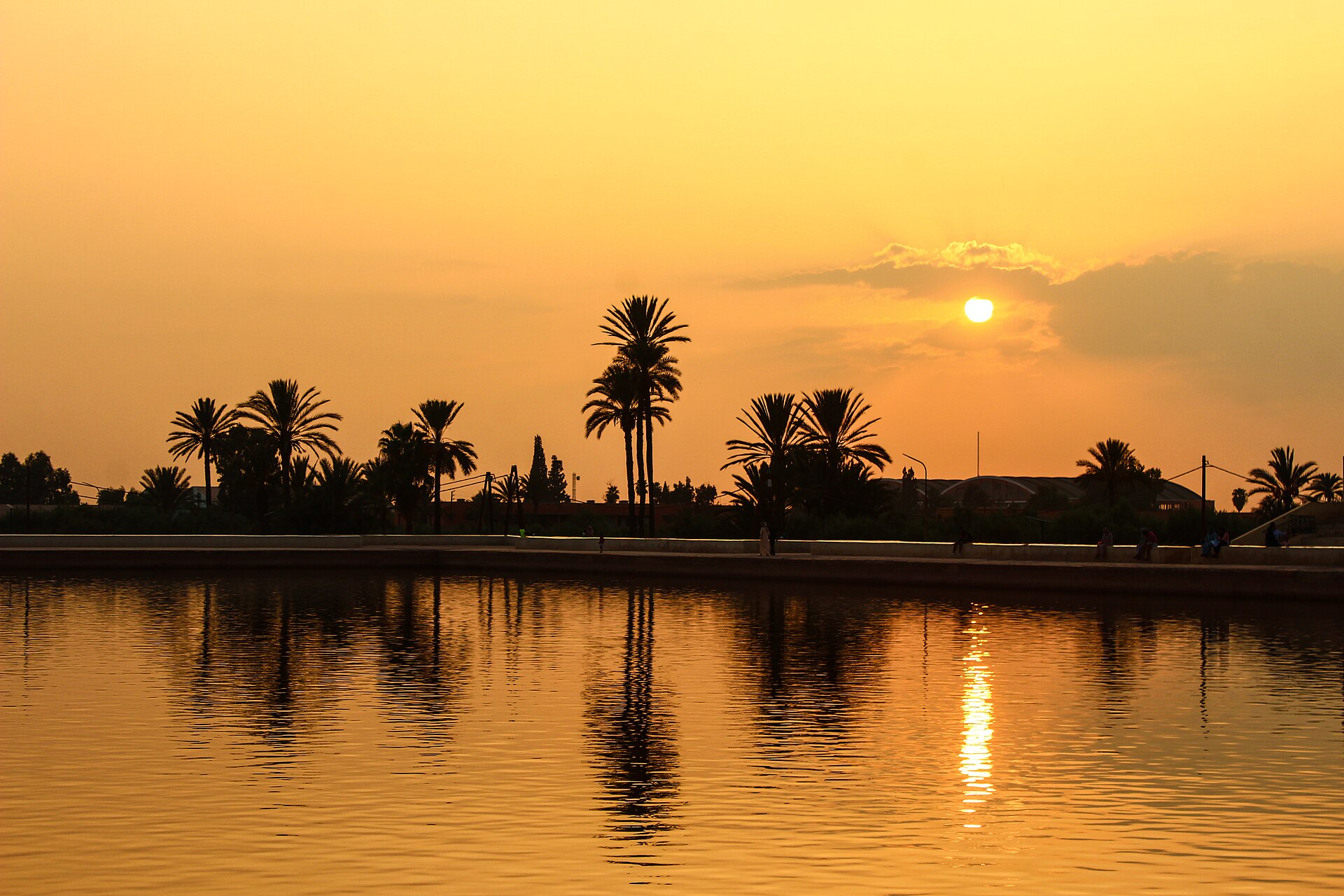 Water from the AtlasHow the basin works.
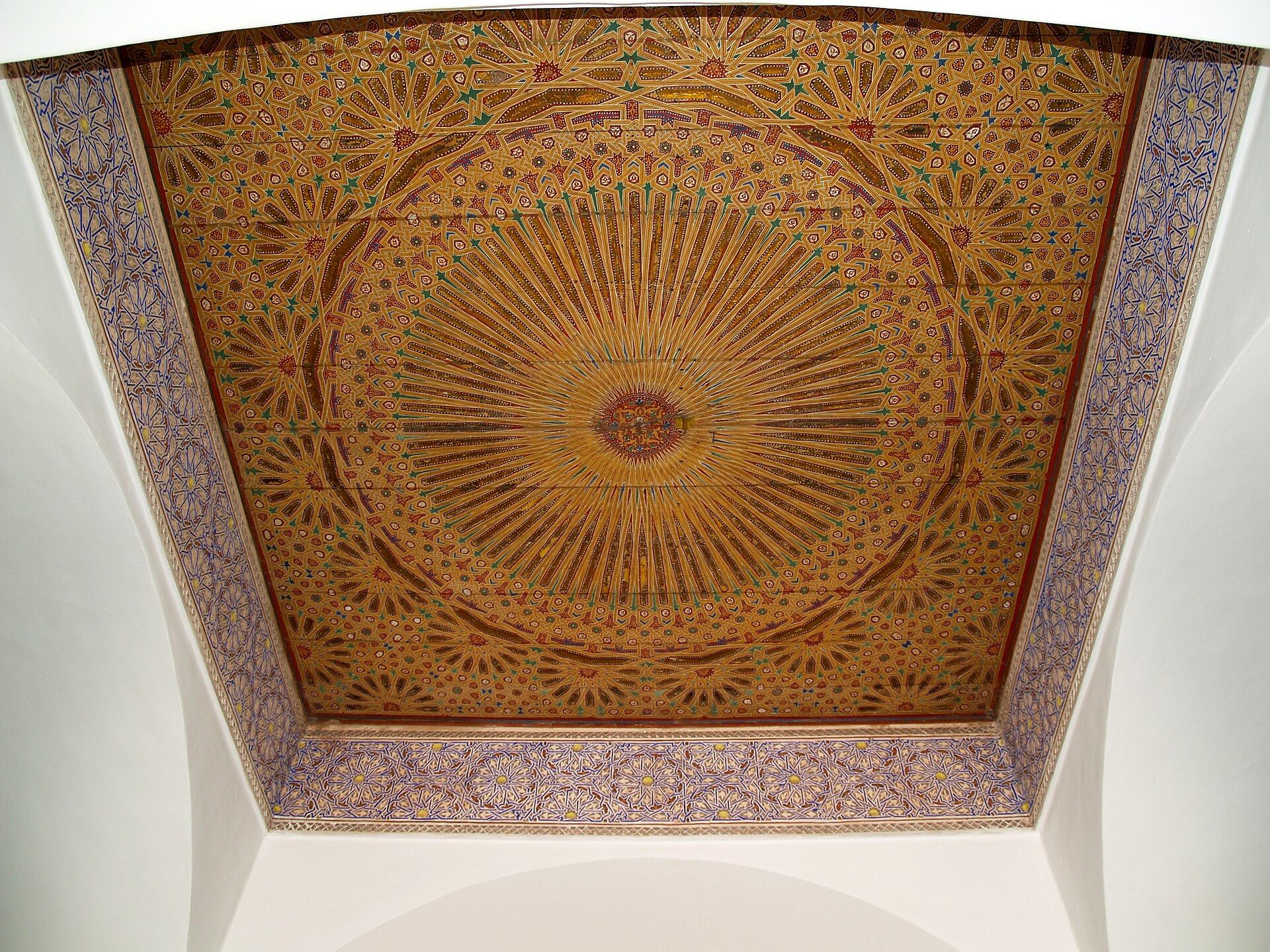 What to see at the pavilionRooms, ceilings and the balcony.Plan your visit
The Apollonaut collection
Gardens, palaces and landmarks across Apollonaut. Search, or browse what’s coming next.
Destinations
MarrakechMorocco · 5 attractions TangierMorocco · 1 attraction BrașovRomania · 1 attraction VeronaItaly · 1 attraction ParisFrance · 1 attraction GranadaSpain · 1 attraction IstanbulTürkiye · 1 attractionAttractions
Jardin MajorelleMarrakech · Gardens · from €28Bookable El Badi PalaceMarrakech · Palaces & landmarksNew Saadian TombsMarrakech · Palaces & landmarksNew Caves of HerculesTangier · Nature & outdoorsNew Dracula’s CastleBrașov · Palaces & landmarksNew Juliet’s HouseVerona · Art & cultureNew Bahia PalaceMarrakech · Palaces & landmarksNew Palais GarnierParis · Art & cultureNew The AlhambraGranada · Palaces & landmarksNew Dolmabahçe PalaceIstanbul · Palaces & landmarksNew Menara PavilionMarrakech · Gardens & outdoorsNewNo matching attractions or destinations. Try a city or an attraction name.
New
Marrakech, Morocco · Palaces & landmarks
 New
Marrakech, Morocco · Palaces & landmarks
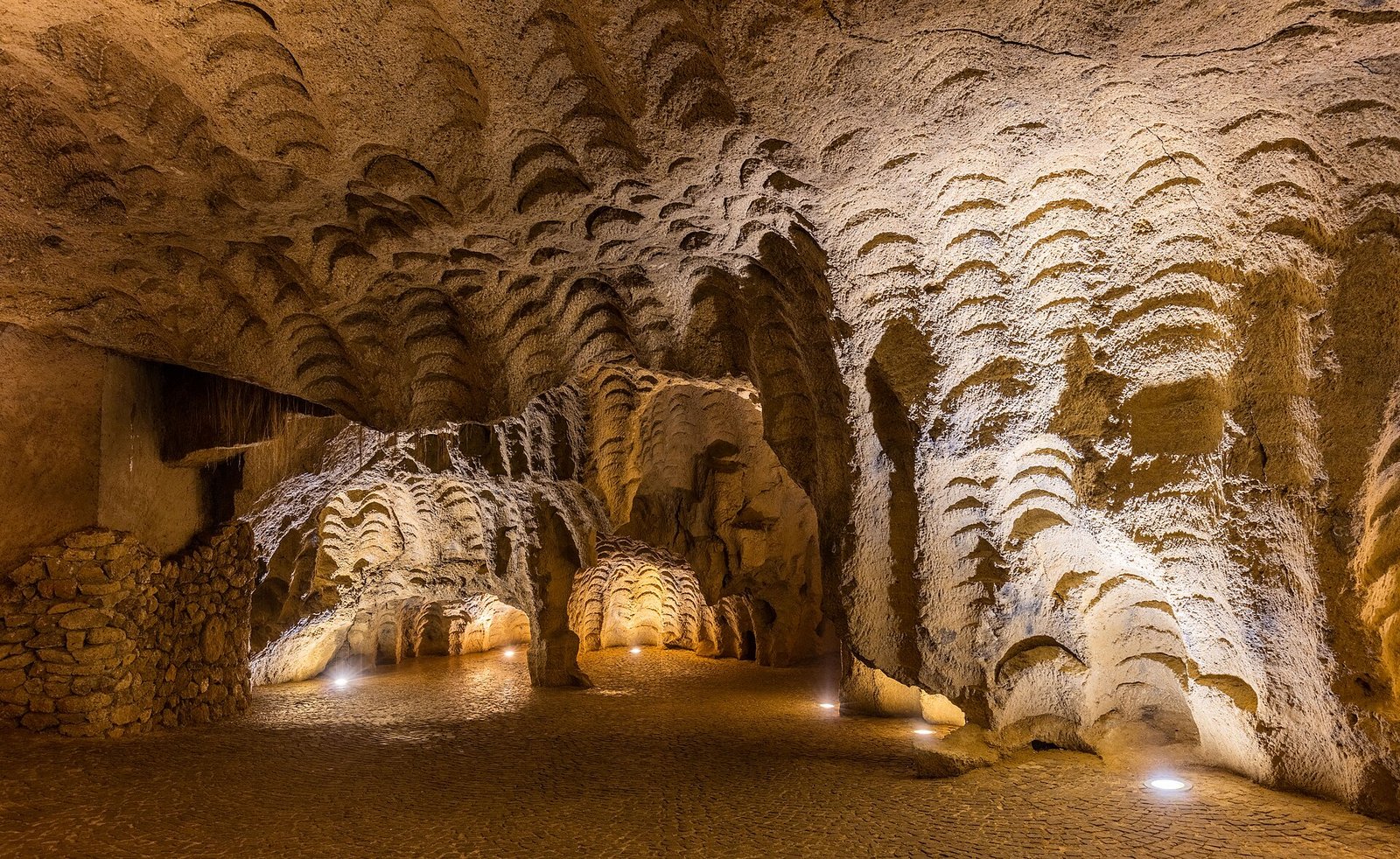 New
Tangier, Morocco · Nature & outdoors
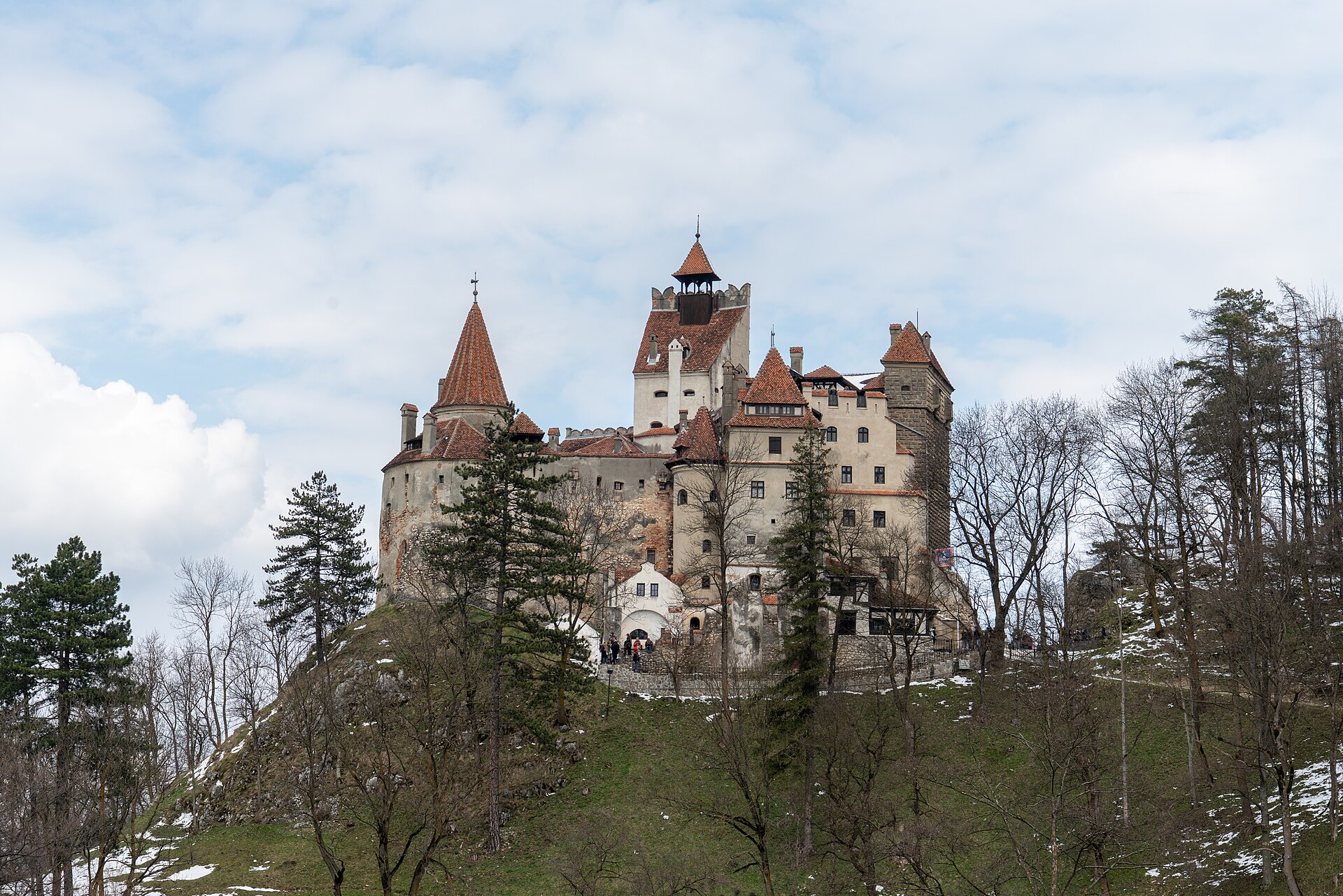 New
Brașov, Romania · Palaces & landmarks
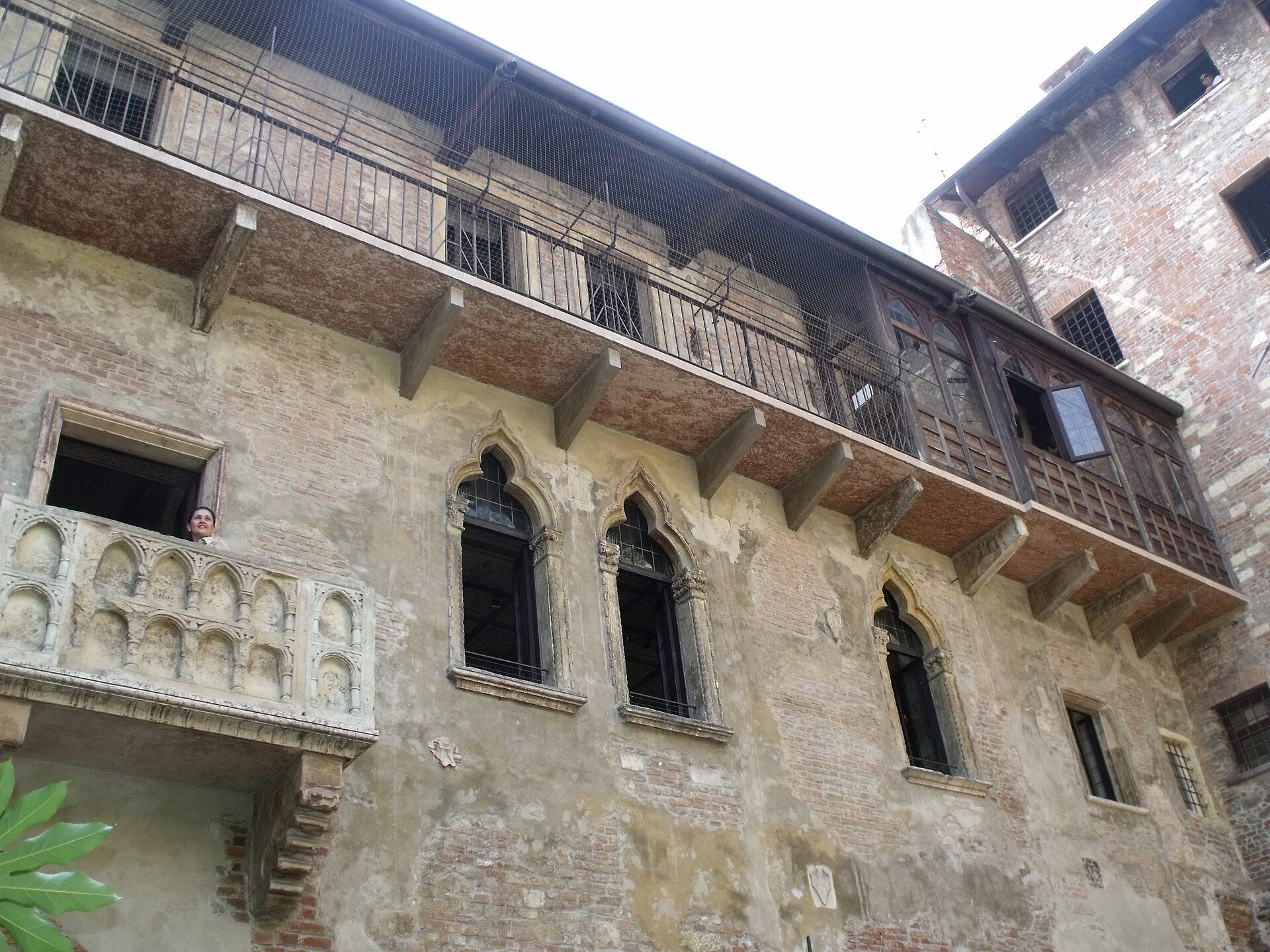 New
Verona, Italy · Art & culture
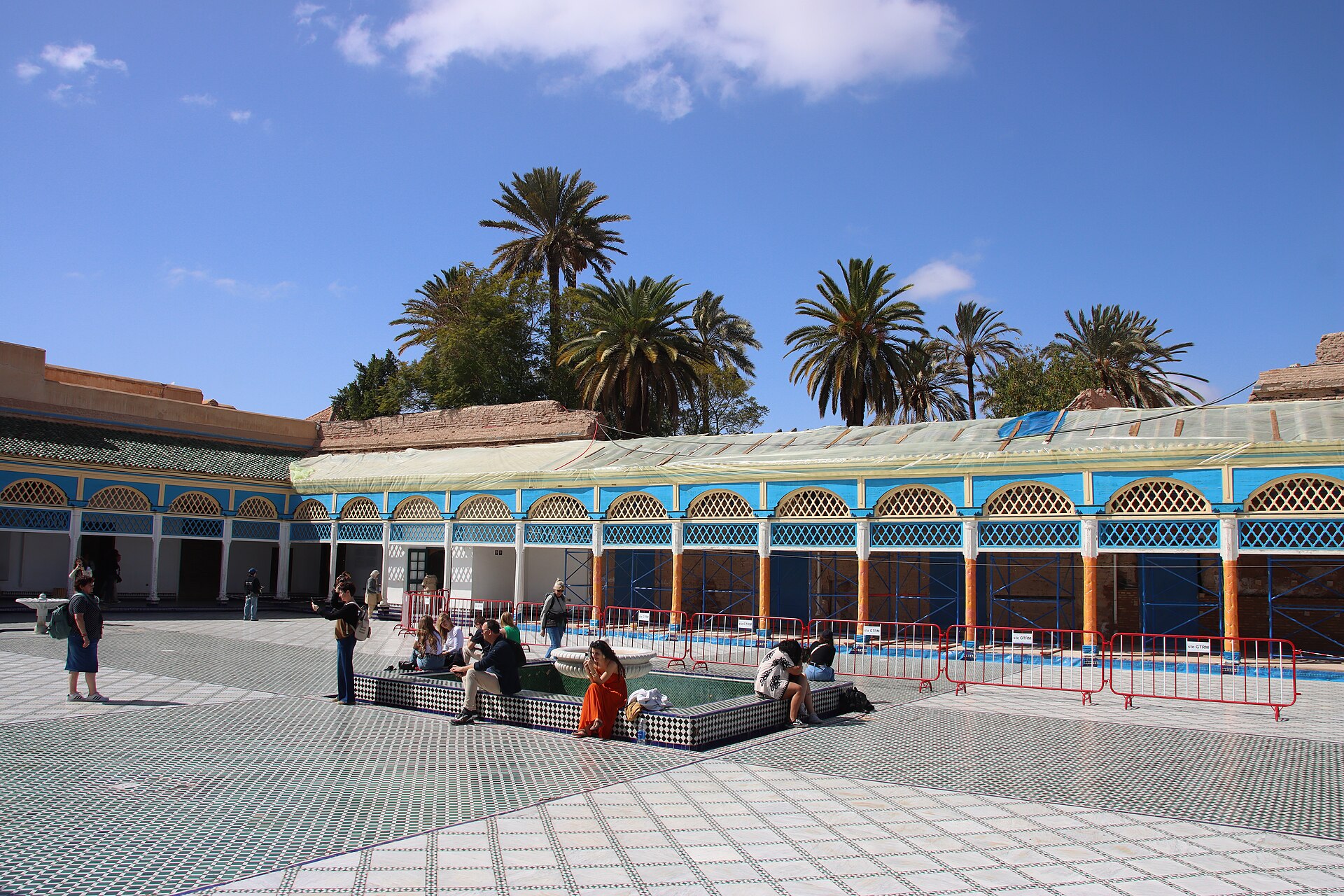 New
Marrakech, Morocco · Palaces & landmarks
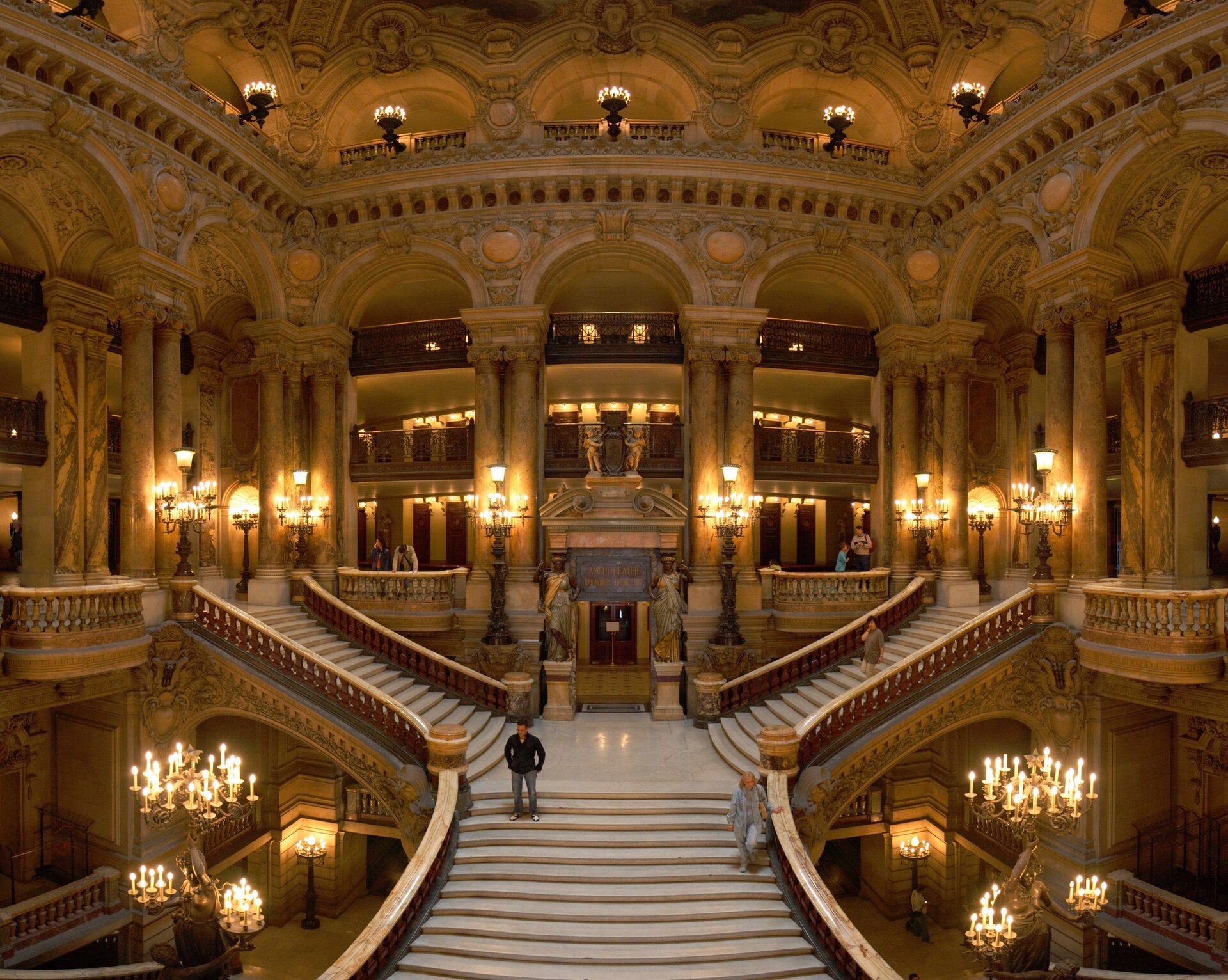 New
Paris, France · Art & culture
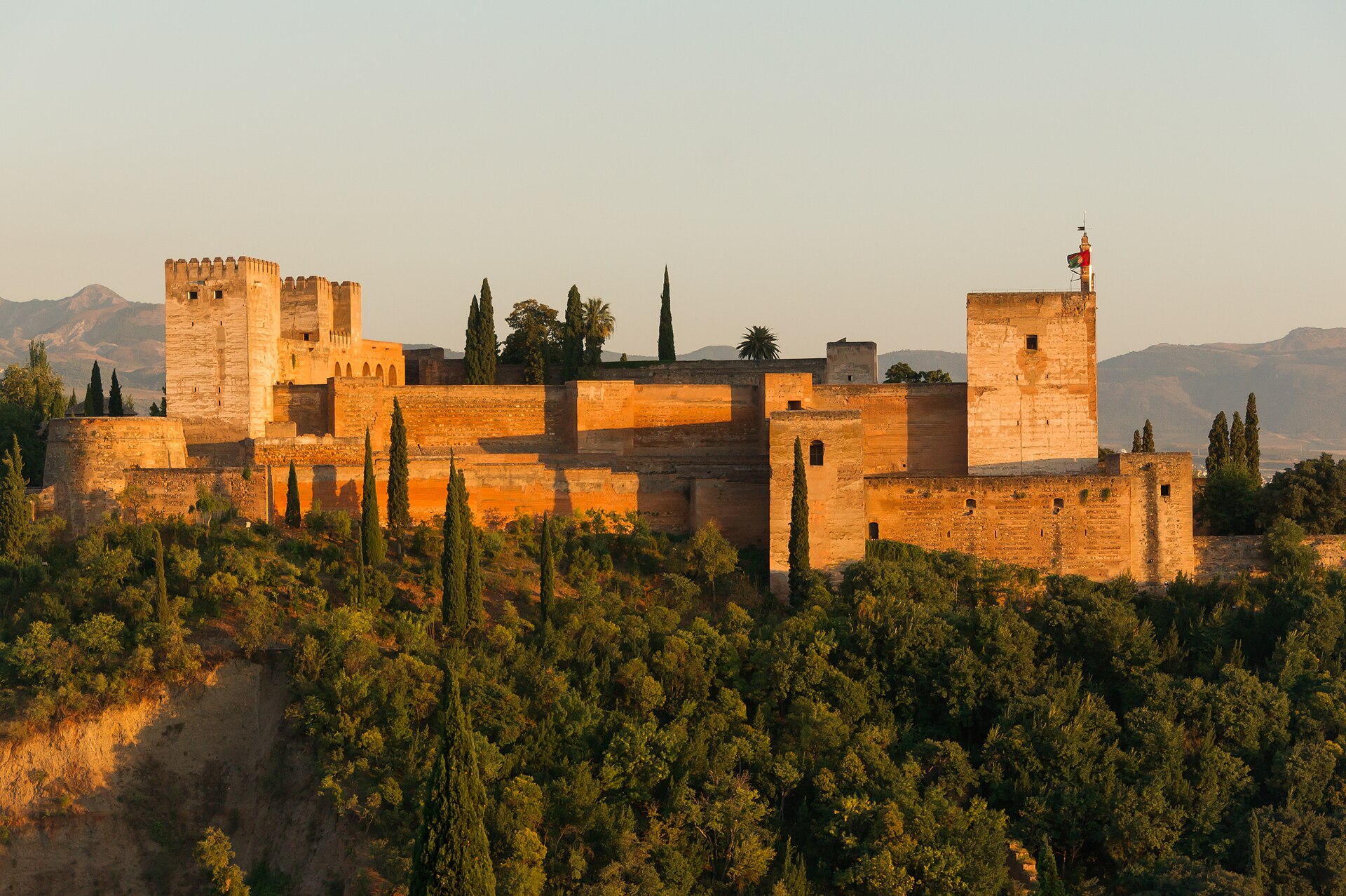 New
Granada, Spain · Palaces & landmarks
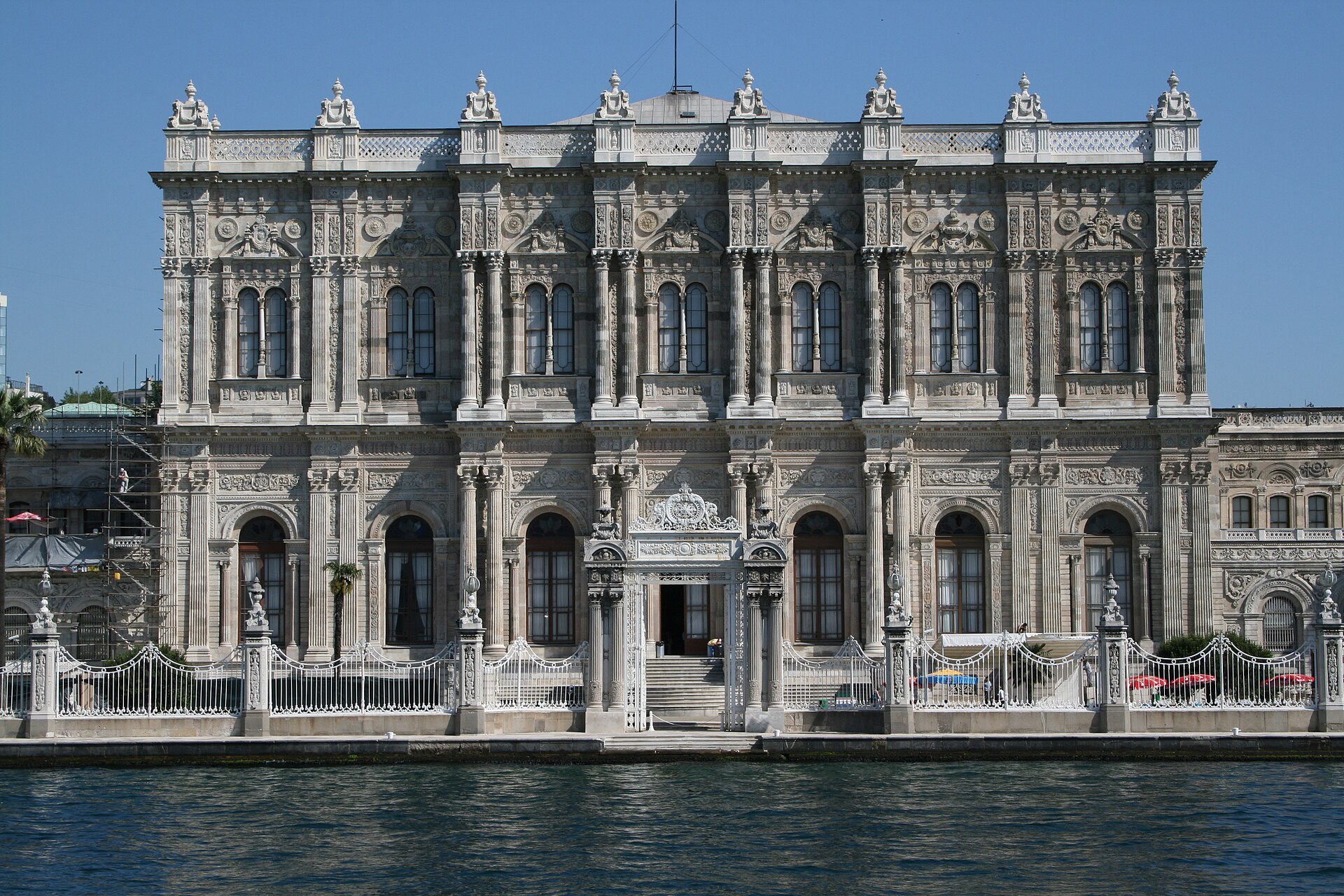 New
Istanbul, Türkiye · Palaces & landmarks
Menara Pavilion · Marrakech
Apollonaut, a Global Travel Platform · Apollonaut Pty Ltd.