 Bookable
A stronghold founded in 1471
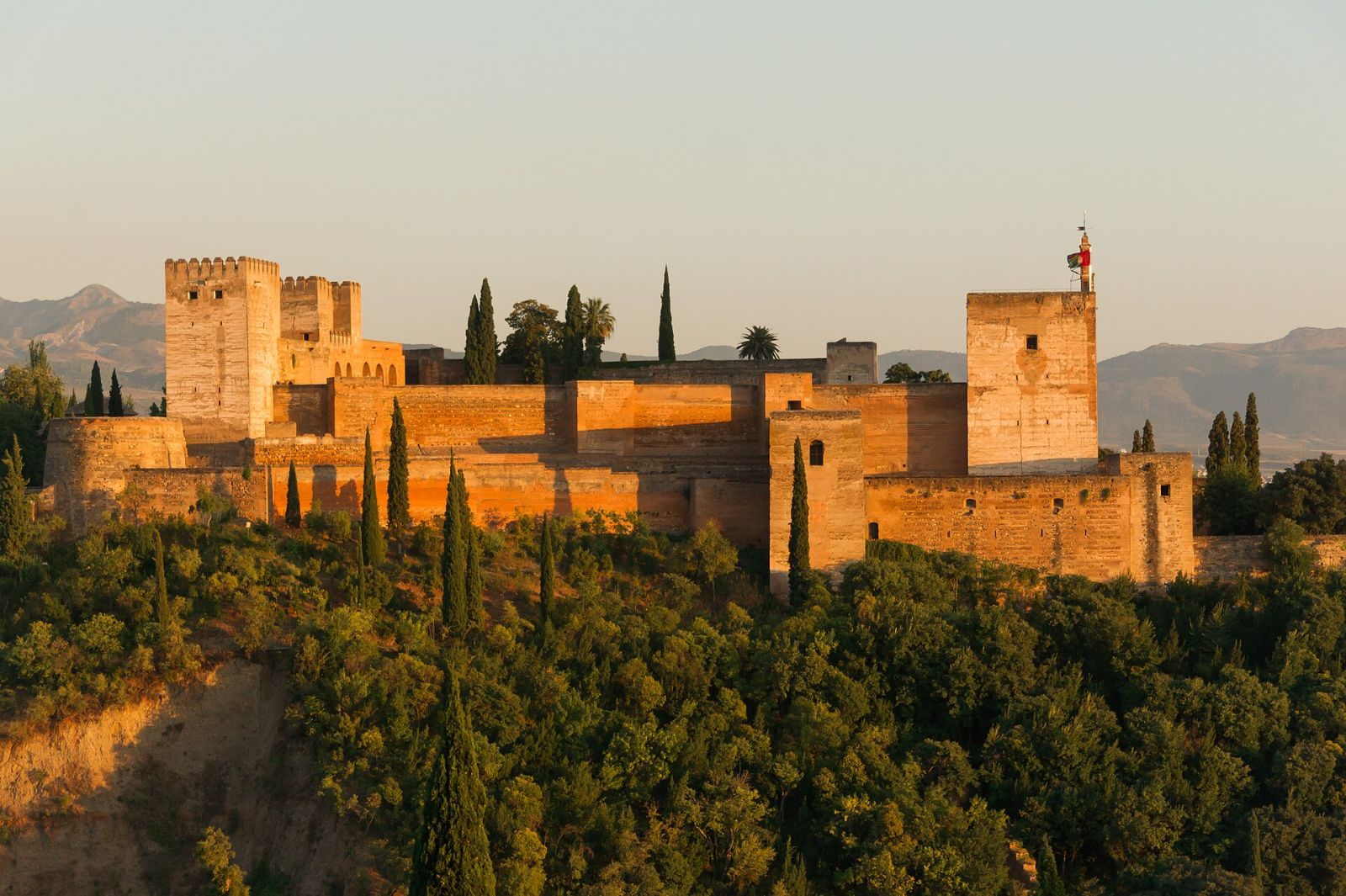
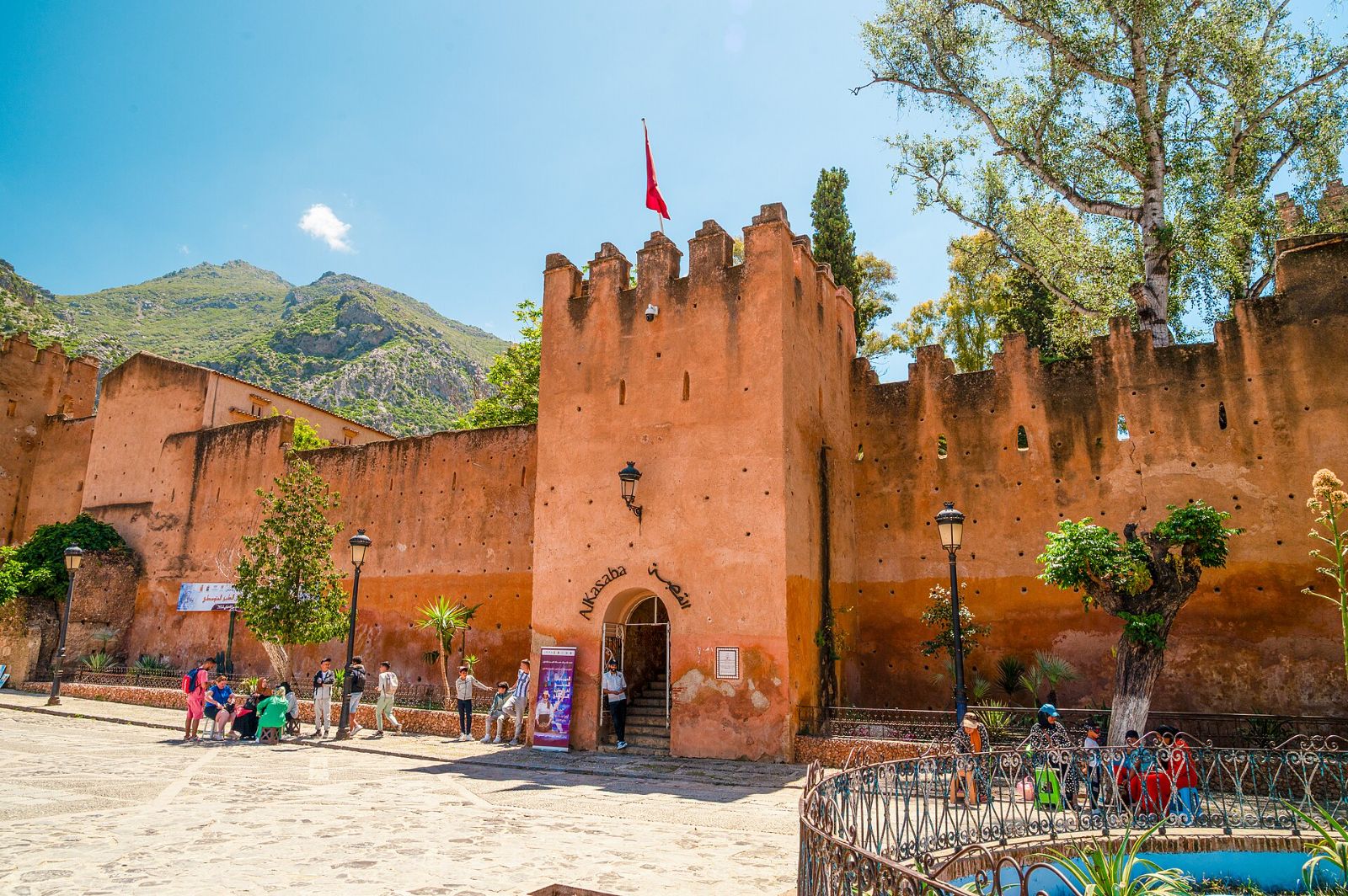
Chefchaouen began with its kasbah. Morocco’s Ministry of Youth, Culture and Sports dates it to 1471 (876 in the Islamic calendar), under Emir Ali Ben Rached, who had fought for the Emirate of Granada before settling here. He built it to defend the area against Portuguese attacks on northern Morocco, and it served both as a military stronghold and as his residence, known as Dar al-Imara.
Earthen walls and a taller tower
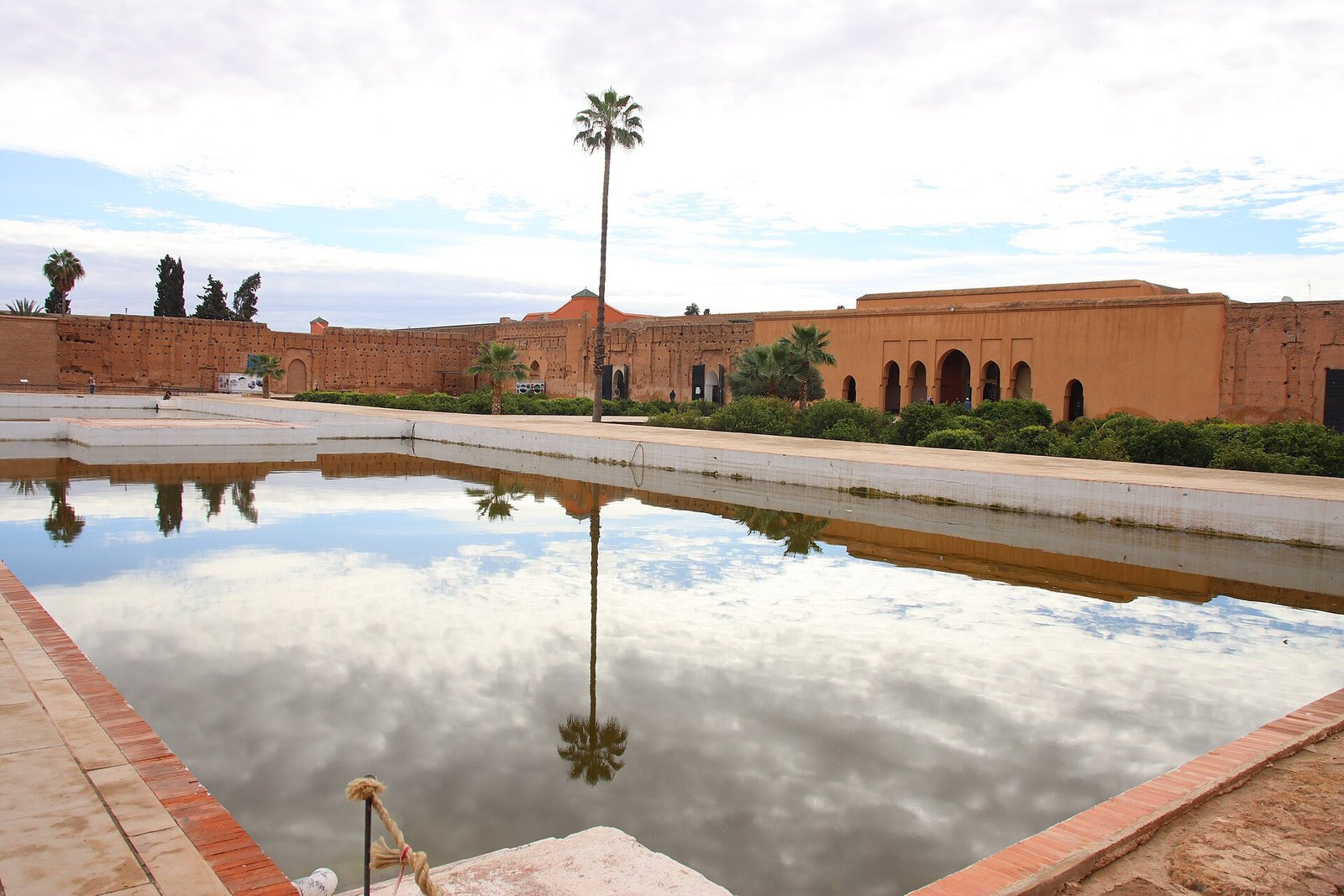
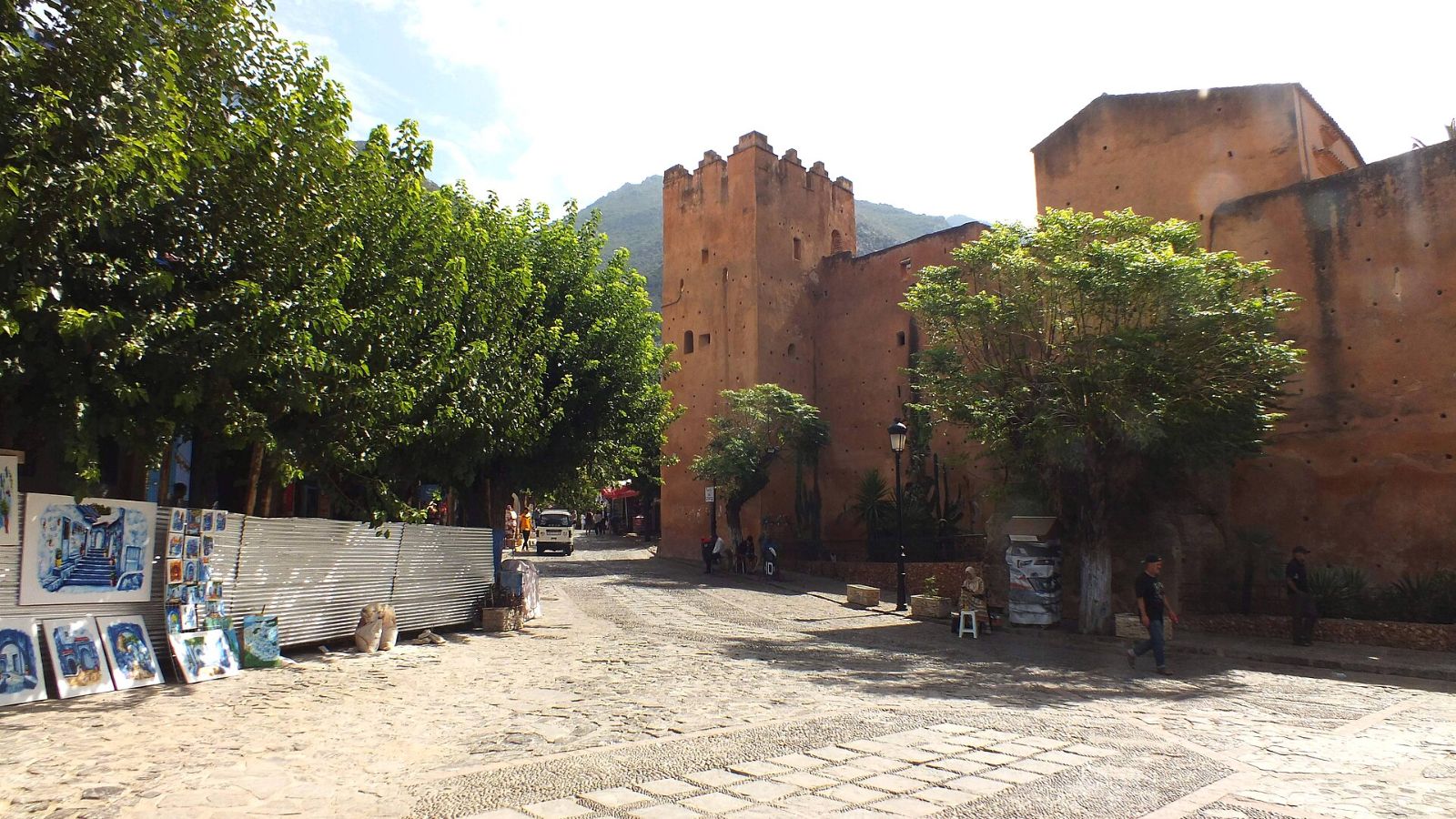
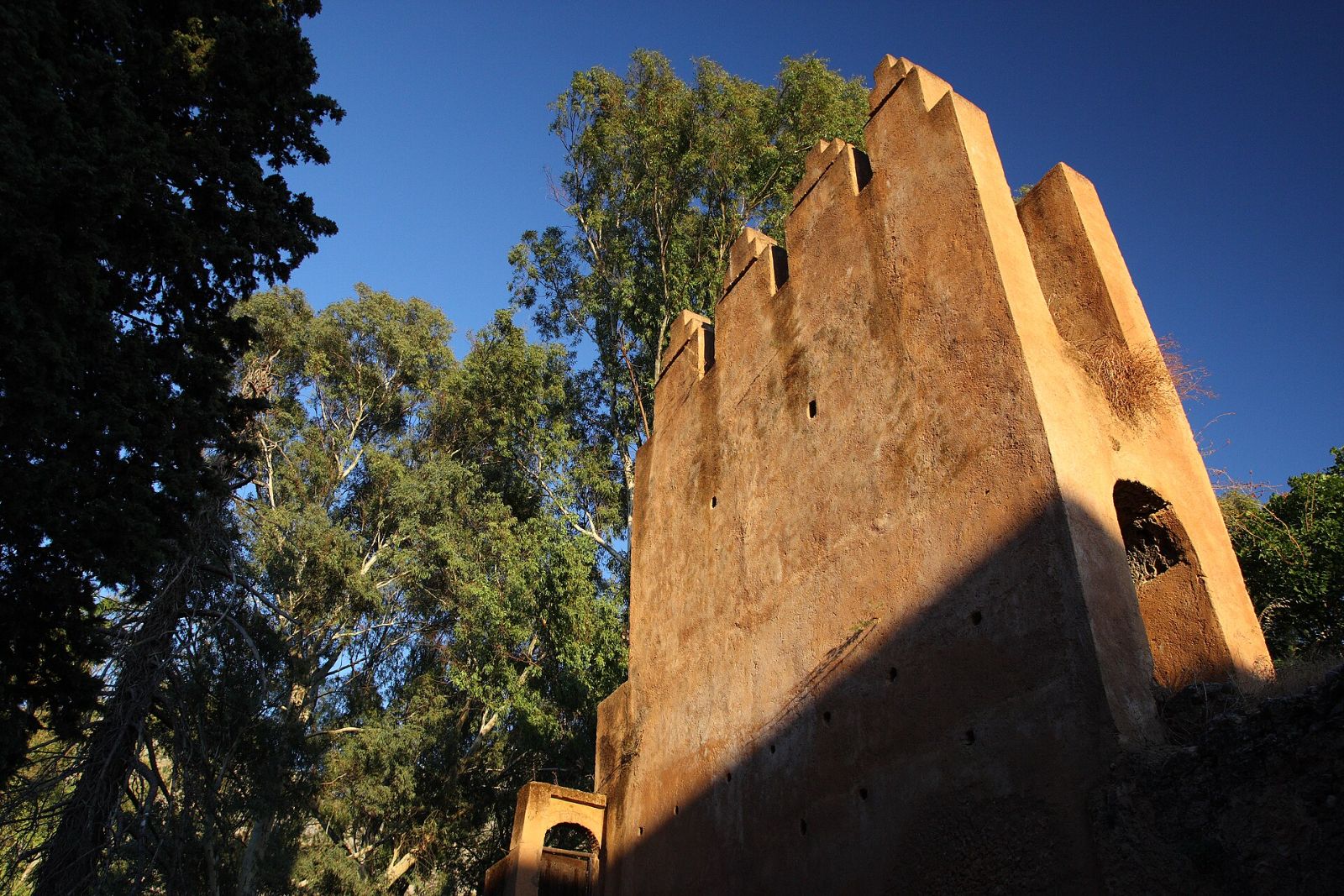
The kasbah is a roughly rectangular enclosure of about 3,500 square metres, with walls and towers of rammed earth. Its tallest tower, on the west side, is built of rubble stone with cut-stone corners; it probably took its present form in the early 16th century, and its rooms recall the tower-houses of Nasrid Granada.
A town grows around it
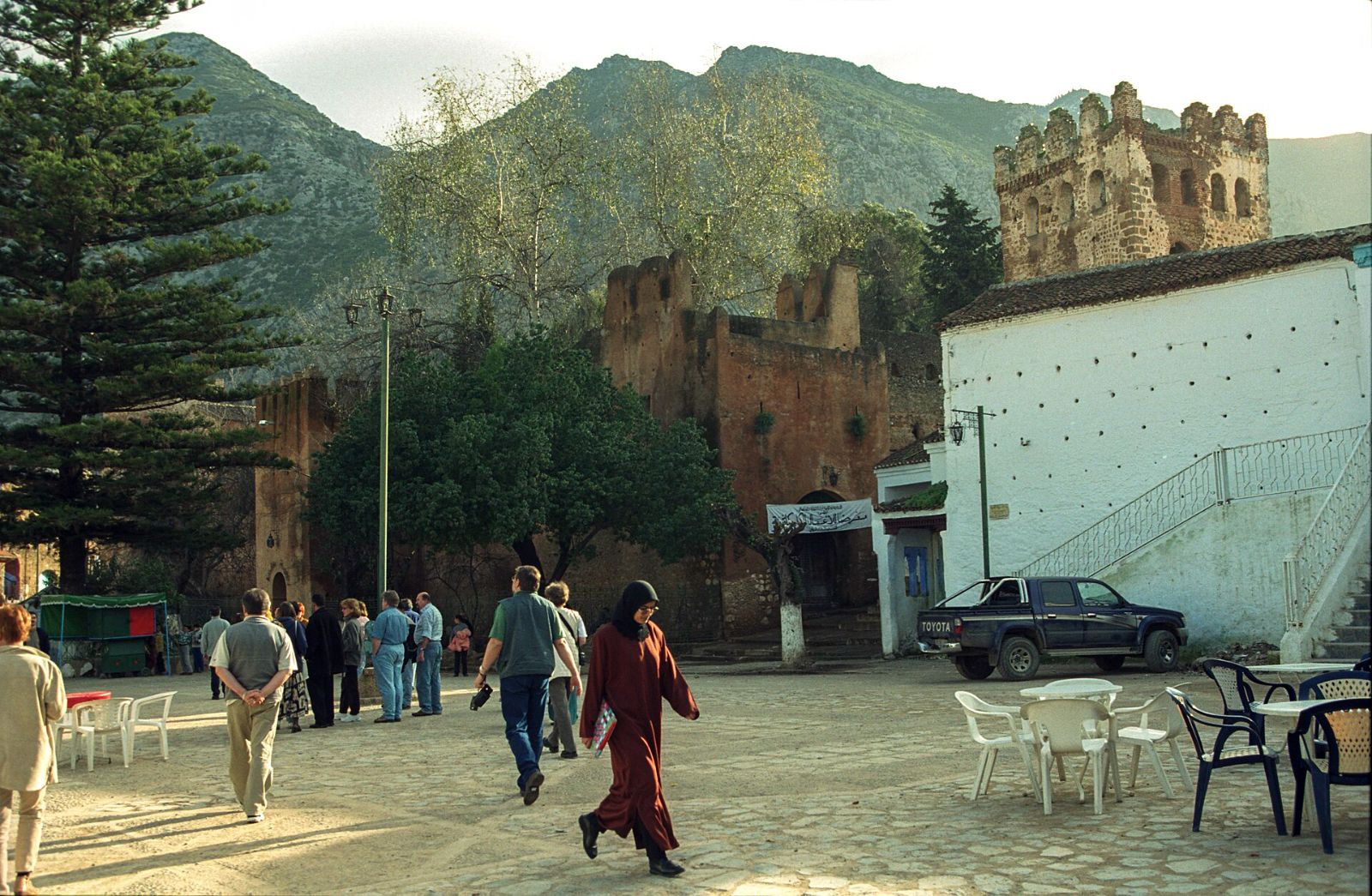
Andalusi Muslims, Moriscos and Jews from Spain and Portugal settled around the fortress during and after the Reconquista, building quarters in an Andalusi style close to those of Granada. In the 16th century the square in front of the kasbah, Place Outa el-Hammam, was probably laid out by Moulay Muhammad, one of Ali Ben Rached’s sons.
Garden, prison and museum
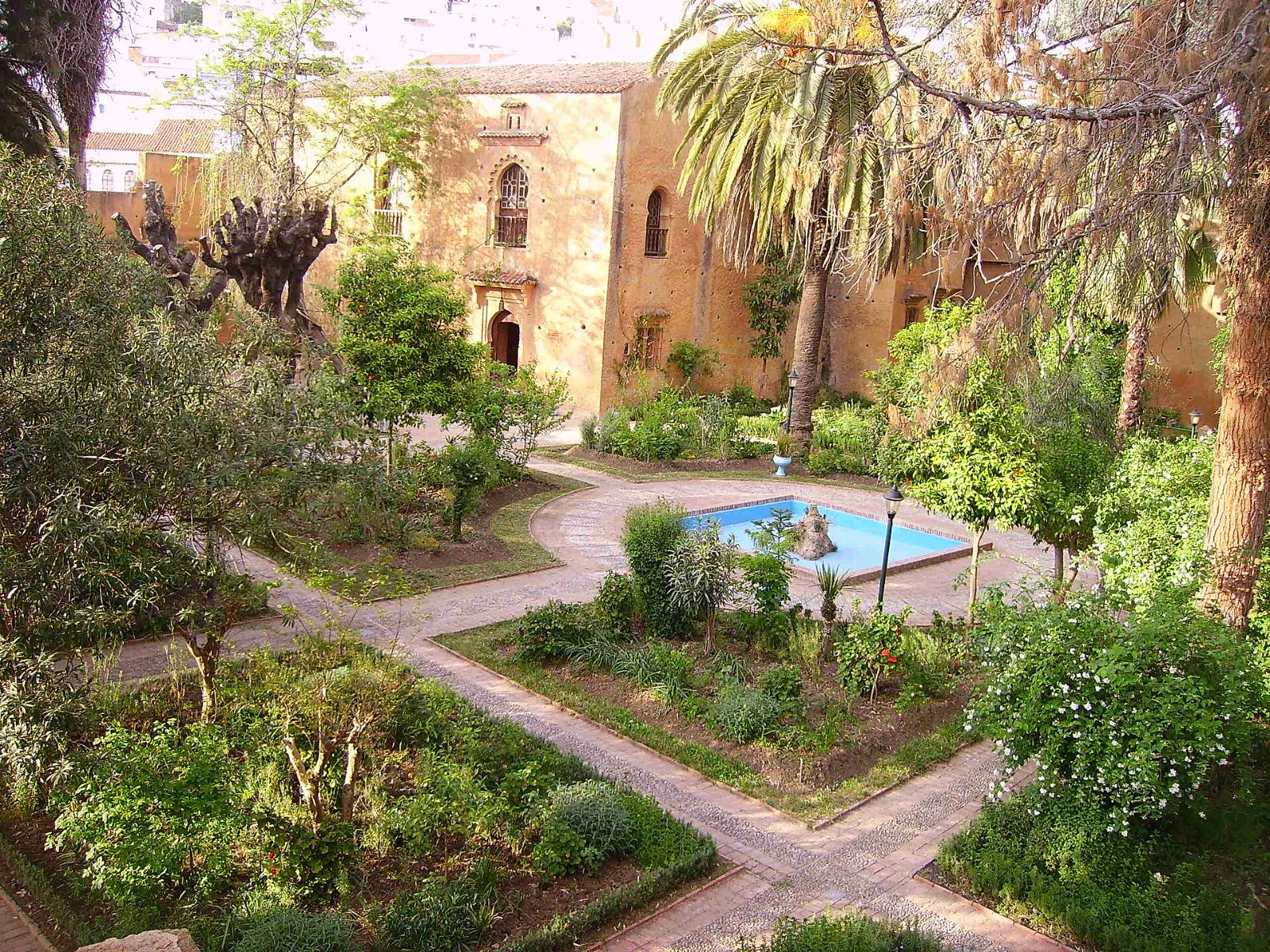
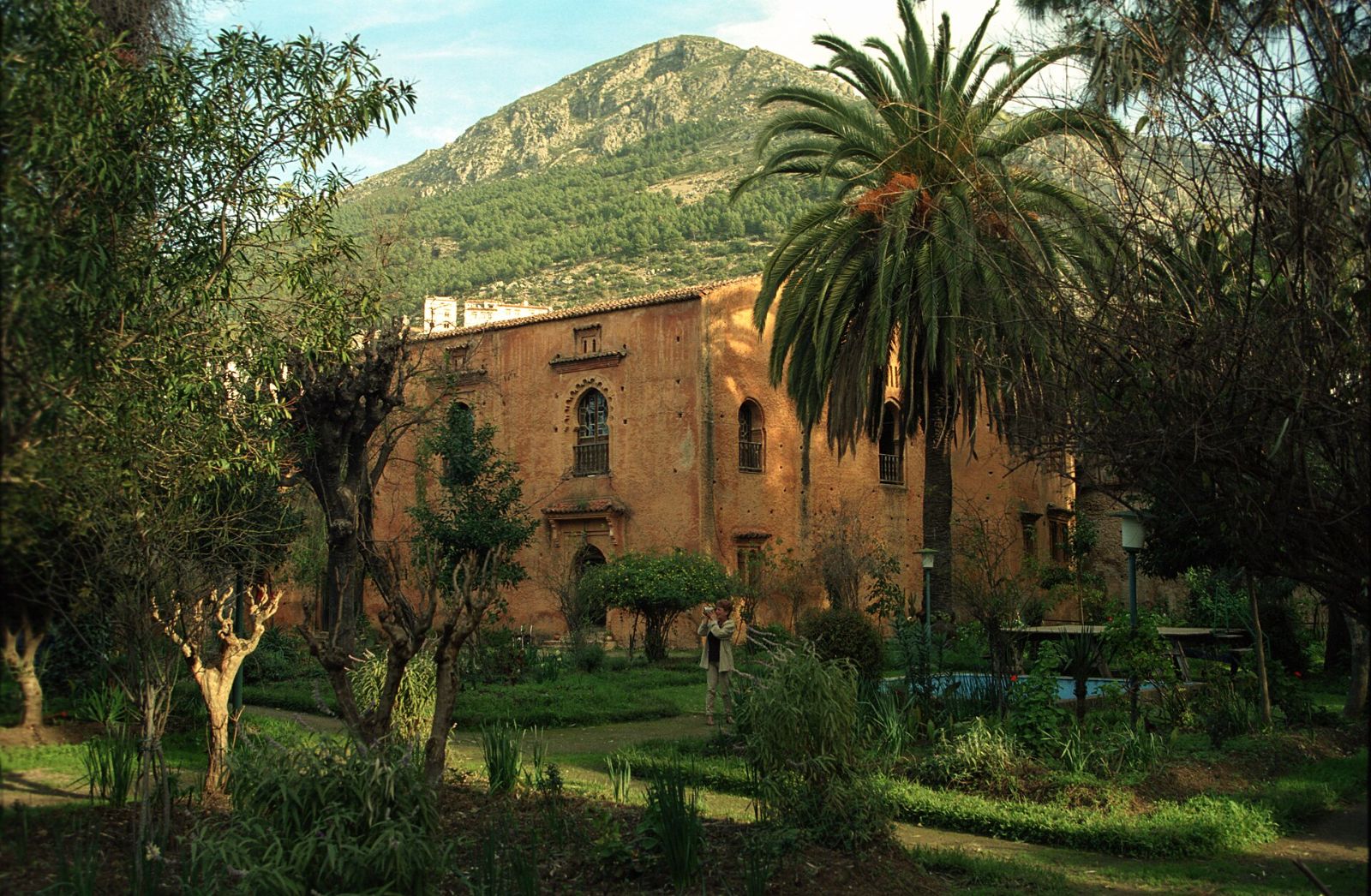
Inside the walls are an Andalusian garden, a small mosque, a prison, a stable and an animal enclosure. A historic house in the north-east corner, probably built in the late 17th century during the reign of Sultan Moulay Ismail, now holds a museum of archaeology and ethnography.